At a glance
- November to February brings the calmest waters for paddling. The Phuket dry season delivers flat bays, clear skies, and optimal plankton visibility on moonless nights.
- July and August offer lower rates during the wetter months. Phang Nga weather brings afternoon rain, yet storms can actually enhance the bioluminescent display after nightfall.
- New moon phases amplify plankton glow; book accordingly. Tide timing determines which sea caves open, so check lunar calendars before selecting your departure date.
- Expect heat and humidity with frequent showers. Rain does not cancel the tour; instead it clears debris and intensifies the nocturnal bioluminescence you came to witness.
- May to October sees fewer boats and quieter islands. Trade perfect conditions for solitude and savings, knowing some afternoons will include tropical downpours.
When is canoeing season in Phang Nga Bay?
Phang Nga Bay welcomes sea canoe tours year-round, but the experience differs dramatically by season. The optimal window runs from November through April, when monsoon winds retreat and the Andaman Sea settles into its calmest state. During these months, visibility stretches across the bay, cave passages remain navigable, and the night sky cooperates with moon phases that enhance bioluminescent plankton displays. Outside this window, departures still operate, but weather becomes the deciding factor. Your 8-hour tour depends on sea conditions stable enough for speedboat and canoe work alike.
When does canoeing season start most reliably? Late October marks the transition as southwest monsoon winds weaken and water temperatures begin their slow descent from summer peaks. By November, conditions have stabilized enough that tour operators resume daily schedules with confidence. Booking in advance during green-season months (May to October) remains possible, but expect weather-dependent cancellations or rescheduling. The shoulder months of October and May offer fewer tourists, calmer conditions than summer, and reasonable odds of clear nights for plankton viewing.
Monsoon winds and tour cancellations explained
The Phang nga bay rainy season divides into two distinct monsoon periods, each affecting tour operations differently. The southwest monsoon dominates May through October, bringing afternoon squalls and wind gusts that can exceed 20 knots. During peak months like July and August, the bay churns with whitecaps, making speedboat transfers rough and canoe navigation hazardous. Tour operators do run trips during these months, but departures often move to early morning when winds remain lighter, and cancellations spike on days when sustained gusts make the bay unsafe.
The northeast monsoon follows from November through February, bringing drier conditions but occasional stronger winds from a different direction. Unlike the rainy season, northeast monsoon winds tend to be steadier and more predictable, making them easier for operators to forecast and plan around. If your tour falls on a day when winds exceed safe limits for open water work, operators will reschedule or offer a full refund. Checking the marine forecast three days before your date gives you the clearest picture of whether conditions will hold.
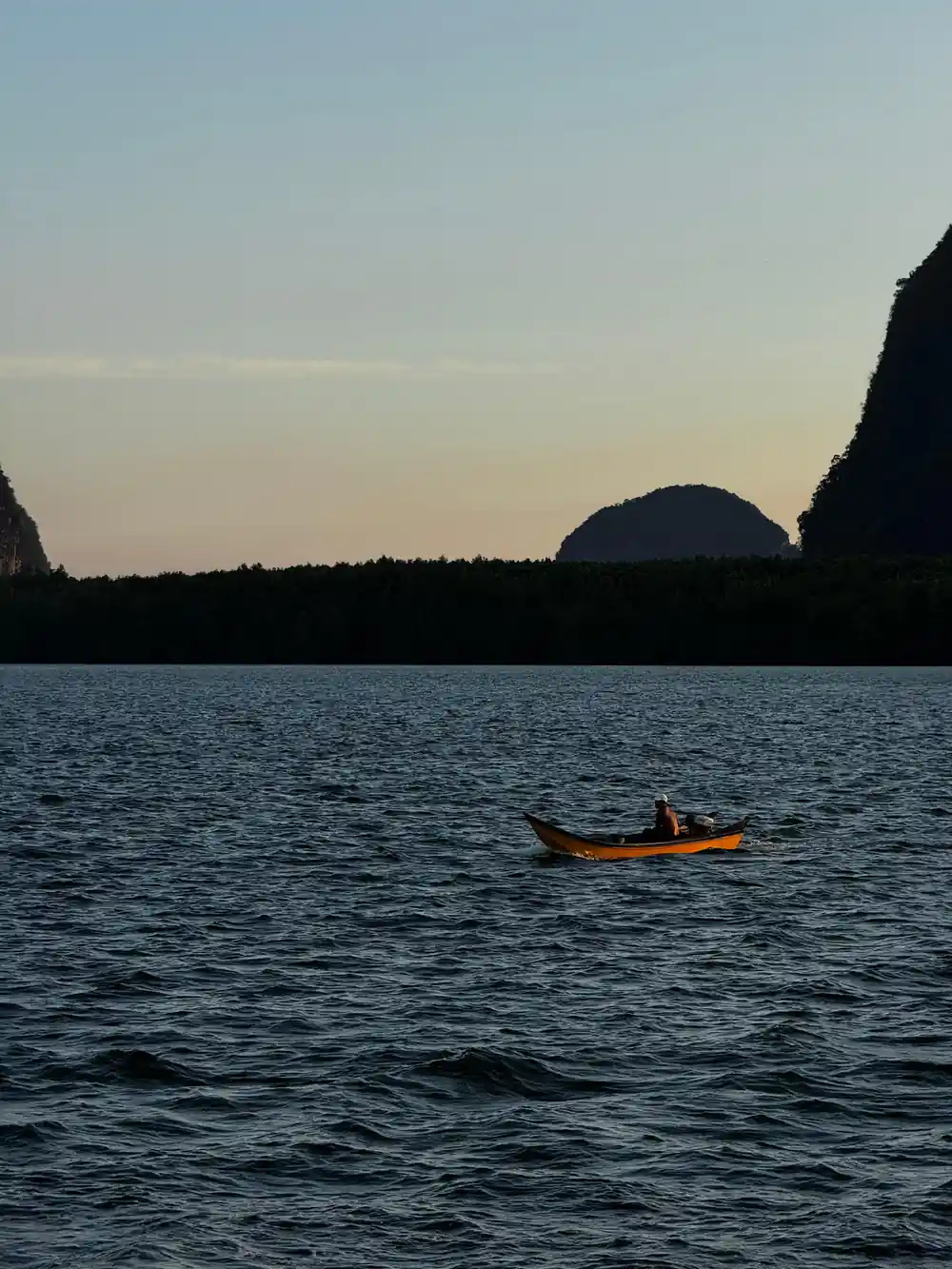
Moon phases and bioluminescent plankton visibility
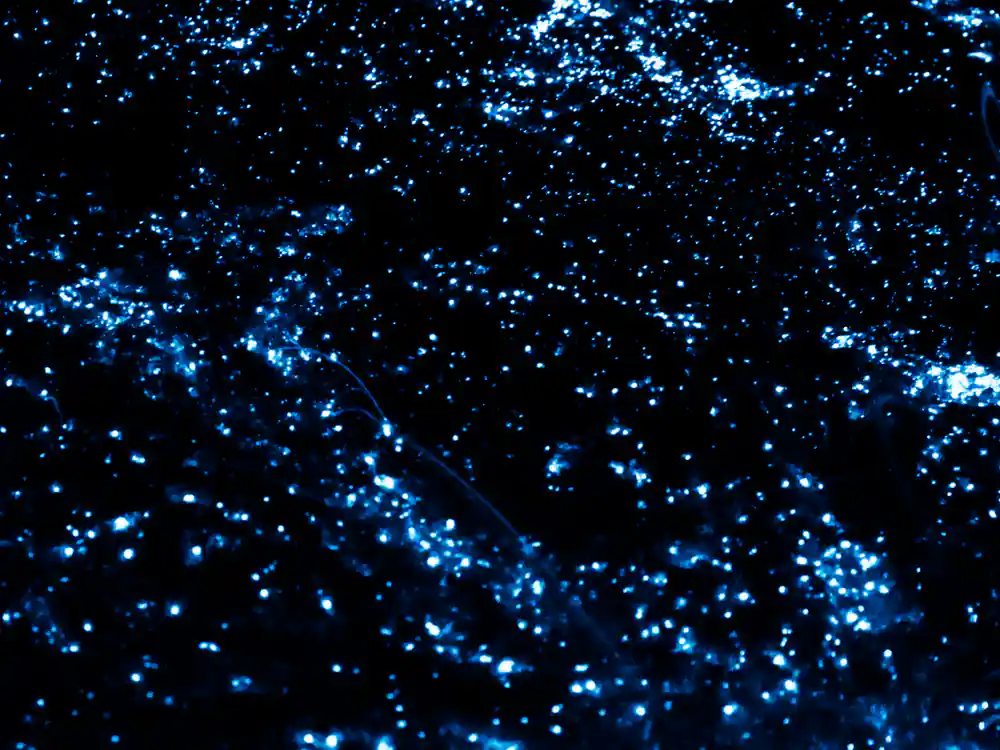
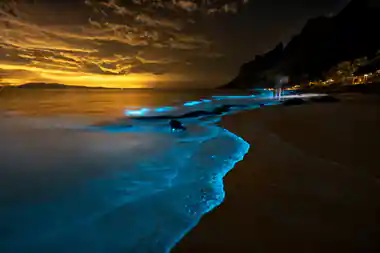
Bioluminescent plankton glow brightest when darkness is deepest, making moon phase one of the most critical variables for your night paddle. New moon dates offer the blackest skies and the most vivid plankton displays, with dinoflagellates creating trails of blue-green light as your canoe cuts through the water. The week before and after new moon also delivers excellent conditions. Conversely, full moon nights illuminate the bay so thoroughly that plankton bioluminescence fades into near-invisibility against the moonlit surface. A full moon tour still offers beauty - you'll see limestone cliffs and mangrove shorelines in silver light - but the magical glow you came for may barely register.
Checking the lunar calendar before booking allows you to time your visit for peak visibility. If your planned dates fall during full moon, consider shifting your trip by a week to catch the waning or waxing crescent instead. Tour operators cannot control the moon, but they can help you reschedule to better phases if you ask when booking. The plankton themselves are present year-round in Phang Nga Bay, but their visibility depends entirely on ambient light, making timing far more important than season.
Tides, cave access, and where your canoe can explore
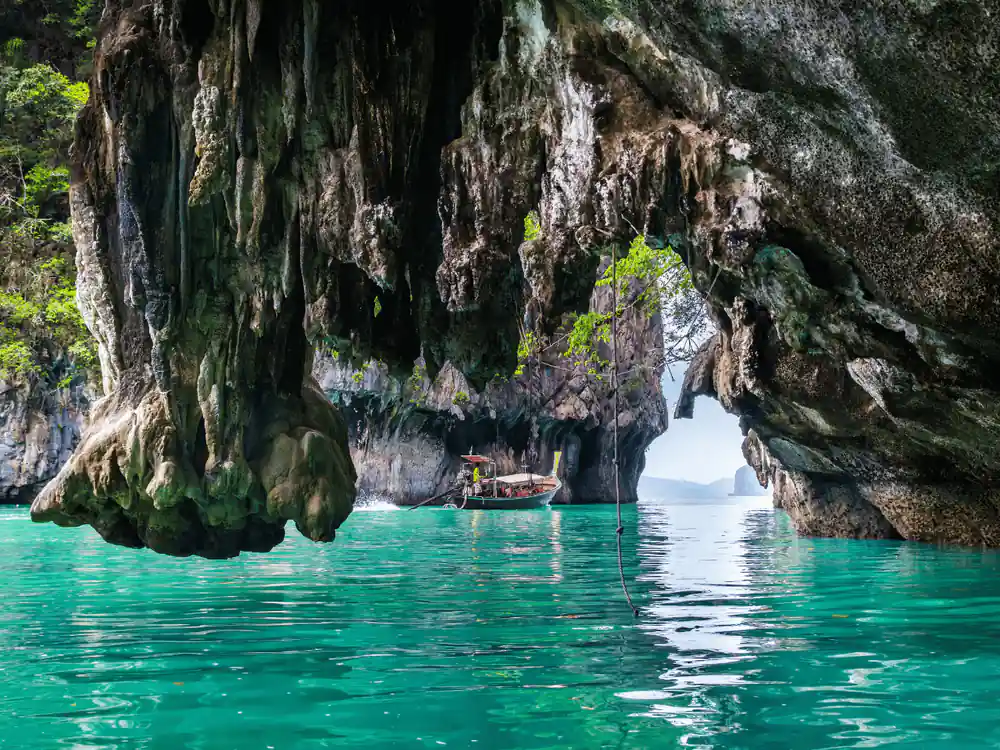
Tides govern which sea caves and lagoons your canoe can enter during the tour. Phang Nga Bay experiences tidal ranges up to 2 meters, and several cave passages require high tide to pass through safely. Low tide exposes limestone shelves and reveals tide pools, but it also blocks entry to the most dramatic caverns. Your guide will plan the canoe route based on tidal timing, typically aiming for late afternoon when water levels are rising toward evening high tide. This positioning allows maximum access to Ko Hong's lagoon, Panak Island's chambers, and smaller grottos that would be impassable at low water.
The speed of tidal change accelerates around the time of new and full moons, when gravitational forces align. On those dates, cave passages may remain navigable for only a narrow window of time. Your tour's 8-hour duration accounts for these constraints, and operators build in buffer time to ensure safe exploration without rushing canoe passengers through difficult passages. If you have mobility concerns or claustrophobia, mention this when booking so your guide can tailor the route to avoid the most confined cave sections.
300
During monsoon season, rainfall can reach 300mm monthly, yet nighttime storms often clear skies for optimal plankton luminescence.
Why Phang nga in july and august still works
Phang nga Bay during July and August receives fewer international visitors, lower accommodation costs, and departure times adjusted to beat the afternoon monsoon winds. Kayaking when windy conditions are strongest requires early starts, often departing before 7 AM when the bay is glassiest. Tours operating in high-rain months typically shorten certain sections or substitute sheltered areas for open-water paddling, but the core experience remains intact. The light snacks on the pier and Thai dinner are included regardless of season, and your guide's expertise in reading water conditions becomes even more valuable when weather is variable.
Rain itself rarely cancels trips entirely, and afternoon squalls often improve rather than diminish the night's finale. Heavy rain cools the air, which intensifies plankton bioluminescence, and the clearing skies afterward deliver dramatic cloud formations backlit by residual sunset colors. Your hotel pickup and drop-off function smoothly year-round, and the national park fees remain the same. If considering these months, book with a flexible cancellation policy and remain ready to reschedule, but do not assume poor conditions are certain.
How rain enhances the bioluminescent experience
Counterintuitively, evening rain squalls often enhance bioluminescent plankton visibility rather than dampen it. Rainwater cools the surface layer of the sea, and temperature gradients trigger more intense plankton biolescence as organisms respond to environmental shifts. Furthermore, rain suppresses surface chop, leaving the water glassy and allowing your canoe to slice through with minimal disturbance. Each paddle stroke glows brighter against still water than against waves. After a squall passes and the sky clears, the contrast between wet pavement, wet rock, and black sky overhead darkens the ambient light even further, making the blue-green wake behind your boat shine like liquid electricity.
The Phang nga bay rainy season afternoon downpours typically arrive between 2 PM and 4 PM, clearing well before your evening canoe departure. Your tour schedule allows time for weather to pass, and soft drinks and water keep you hydrated throughout. The safety equipment provided includes waterproof storage for cameras and personal items. Guides expect these conditions during monsoon months and adjust timing accordingly. Rather than viewing rain as a problem, experienced operators use it as an asset for creating the most dramatic glow displays of the year.
Heat, humidity, and what to expect at sunset
Phang Nga Bay sits near the equator, and sunset temperatures remain warm year-round. In cooler months (November to February), evening air hovers around 26-28°C (79-82°F) with moderate humidity. During warmer months, including Phang nga bay august and the preceding summer season, sunset temperatures exceed 30°C (86°F) with humidity often above 80 percent. Your Thai-style set dinner and soft drinks compensate for this heat, and the breeze generated by moving across open water provides natural cooling. Lightweight, moisture-wicking clothing and reef-safe sunscreen applied before departure protect your skin during daylight paddling before the sun dips below the limestone cliffs.
The shift from daylight to darkness happens quickly near the equator, with twilight lasting roughly 20 to 30 minutes. By the time full darkness arrives and bioluminescence becomes visible, air temperatures drop noticeably. Layer a light windbreaker or long-sleeved shirt to wear after sunset, as the combination of moving water and evening cooling can feel chilly despite the day's heat. Your guide will manage pace and timing to ensure you remain comfortable while maximizing your time in darkness for plankton observation. The national park fees include the cost of this entire experience, making it one of Southeast Asia's most accessible encounters with this natural phenomenon.
Ready to see the glow? Check dates now
from US$89Reserve now & pay later