At a glance
- Wear lightweight, fast-drying clothing that won't cling when wet. Cotton retains moisture; choose synthetic fabrics instead.
- Protect your device from canoe splashes and night plankton dips. A sealed case lets you capture bioluminescence without risking your phone.
- Apply broad-spectrum protection that won't damage Phang-nga Bay's marine environment. Check the label before you go.
- Pack a complete outfit in your bag for the speedboat ride home. You'll appreciate fresh, dry clothes after hours on the water.
- Secure footwear grips wet surfaces in caves and boats. Avoid flip-flops, which slip easily when boarding or wading.
Layered clothing for canoeing and night plankton viewing
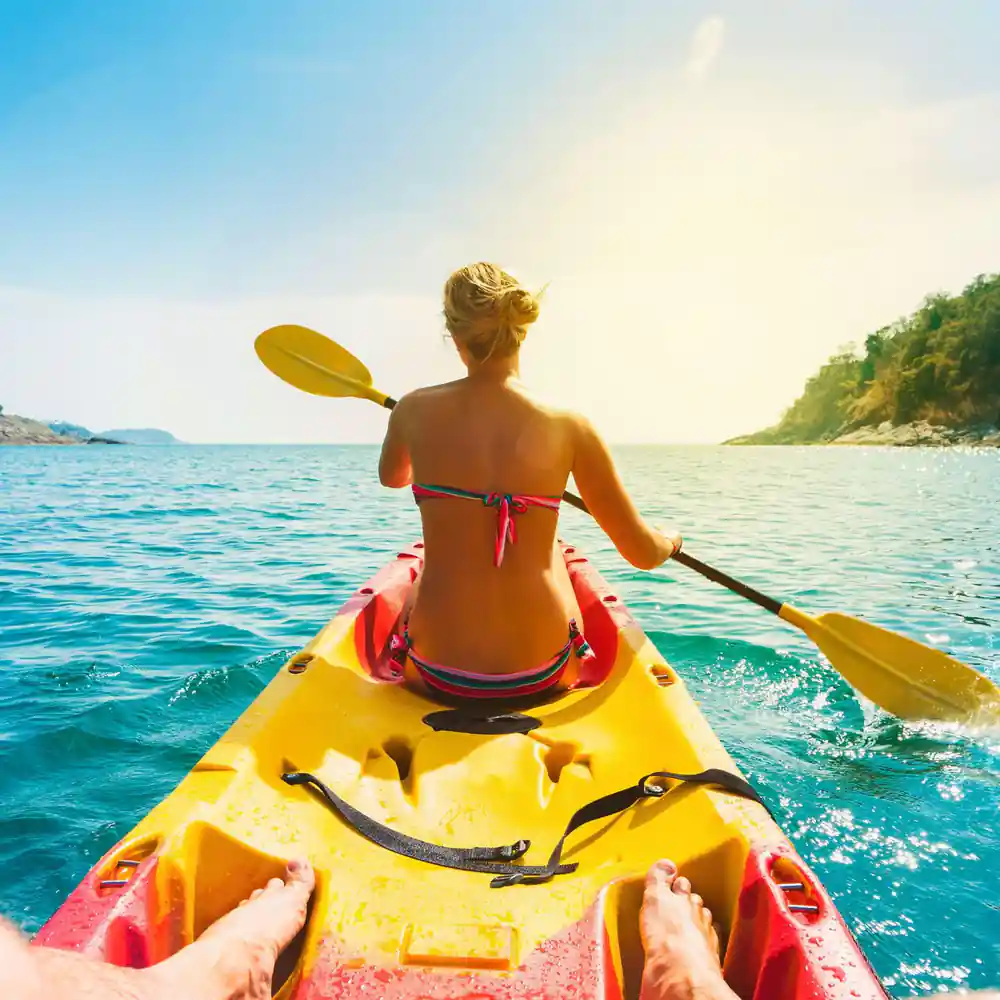
You will be wet twice during this 8-hour tour: once during the daytime canoe section through mangrove caves and limestone formations, and again when you enter the water at night to experience the bioluminescent plankton. Plan your clothing around this reality. Wear a quick-dry base layer as your foundation, such as a fitted synthetic or merino wool shirt. Avoid cotton entirely, as it absorbs water and takes hours to dry, leaving you cold and uncomfortable as the sun sets and temperatures drop on Phang Nga Bay.
Bring a second shirt or rash guard to change into after the afternoon paddling session, before the evening boat ride and night swimming. This intermediate layer should also be quick-drying material. Over both, pack a lightweight windbreaker or rain jacket that you can easily remove and stow. The bay can be breezy in the evening, and even in Thailand the temperature feels notably cooler once the sun goes down and you are wet. A thin pair of quick-dry shorts or water-specific pants works better than standard shorts, which hold water and chafe. Include a full change of dry clothes for after the tour ends.
Protecting your phone and camera in wet conditions
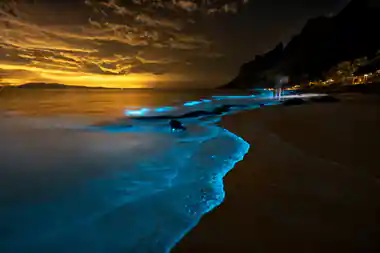
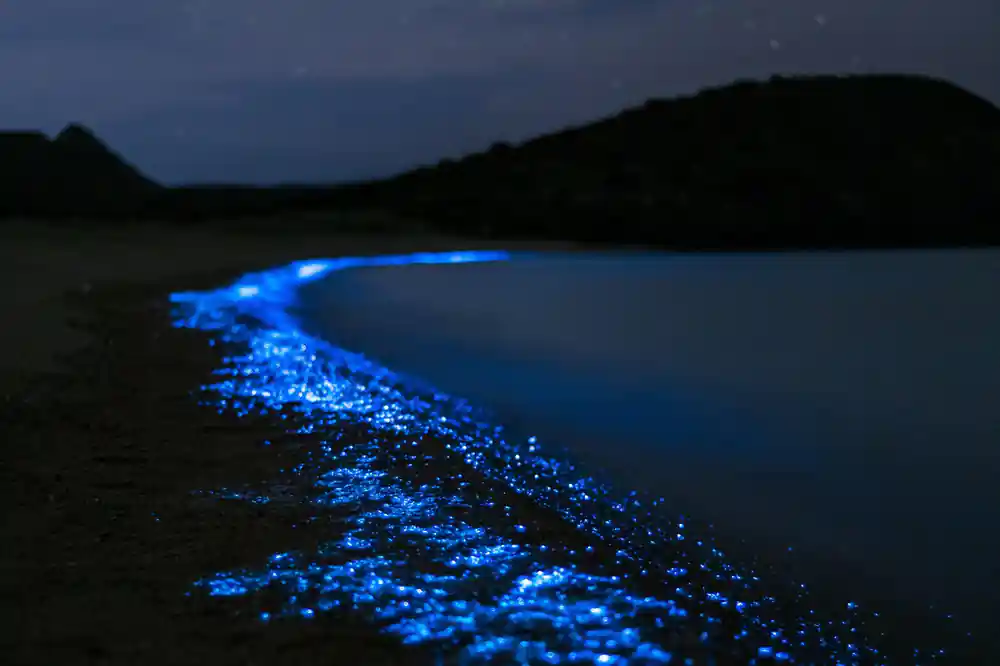
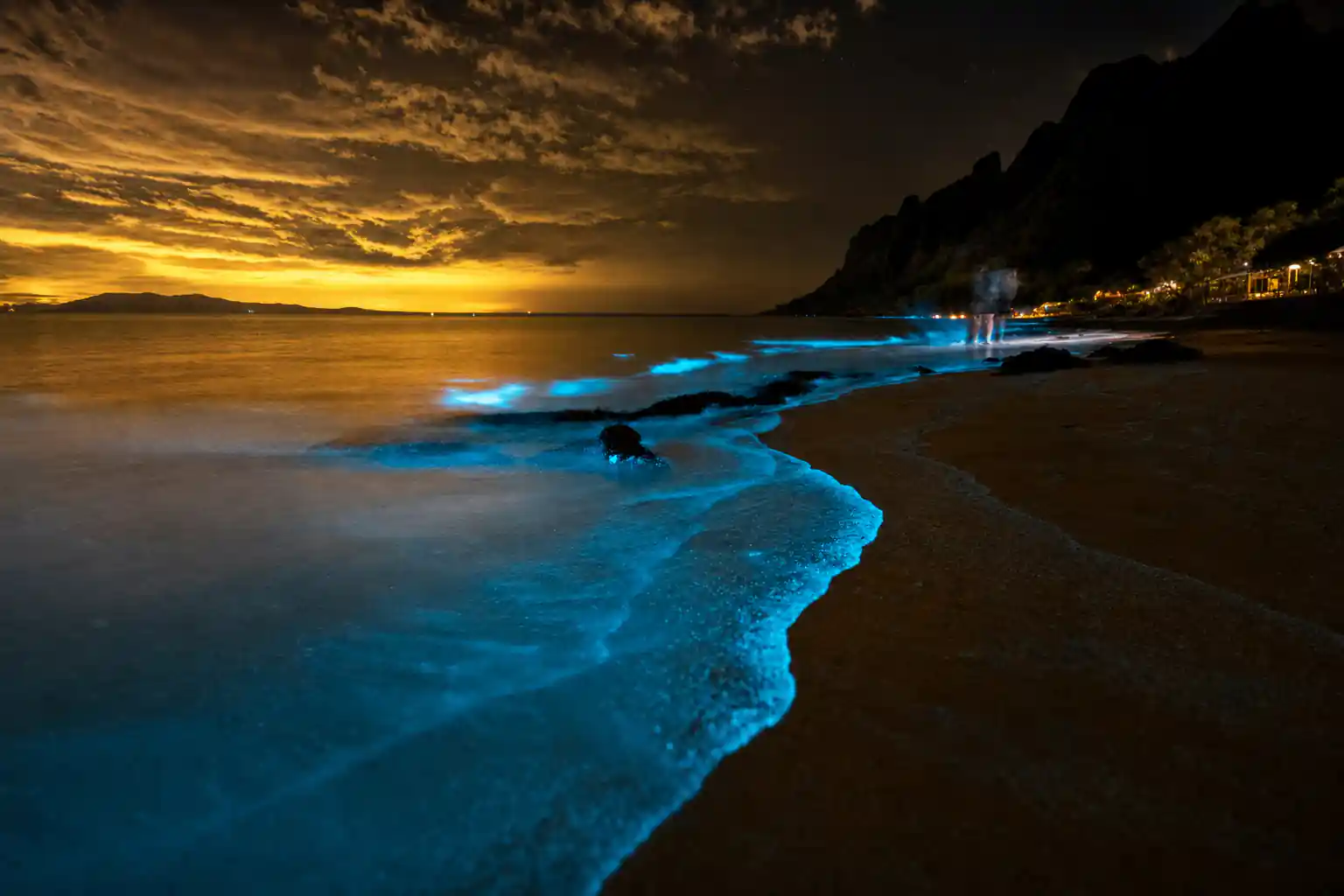
Photography of bioluminescent plankton with a smartphone requires the water to stay off your lens and sensor. A waterproof phone case, rated to at least IP67 standard, is essential and widely available. These cases seal completely and allow you to use your phone's touchscreen and camera while submerged. Test it in a sink before your tour to confirm the seal works and practice opening and closing it so you do not fumble in the dark on the water.
For bioluminescent photography specifically, you need a long exposure setting on your phone's camera app, or a dedicated camera app that allows manual control of ISO and shutter speed. Most phones cannot photograph faint light sources in auto mode, so download a manual camera app the day before your tour. Bring a secondary waterproof bag or dry pouch for any backup camera equipment, keys, or electronics. Consider leaving digital cameras with moving parts at your hotel; the salt spray and repeated wetting create risk of damage that waterproof cases do not fully prevent.

Dry bag secured in sea canoe, glowing waters at dusk
Reef-safe sunscreen and insect protection for mangrove caves
Sunscreen is critical during the daytime paddling portion, but standard sunscreen damages coral and seagrass in protected marine areas. The national park does not explicitly restrict sunscreen brands, but reef-safe formulas are the responsible choice. Look for sunscreen labelled reef-safe or ocean-safe, containing only mineral active ingredients such as zinc oxide or titanium dioxide, with no oxybenzone or octinoxate. Apply it 15 minutes before paddling begins, and reapply every two hours if you are in and out of the water. Waterproof formulas rated 80 minutes or longer are preferable.
For the mangrove cave sections, insect repellent becomes relevant. Mosquitoes thrive in these enclosed, humid spaces, and some carry dengue fever. Pack a spray repellent containing 20-30% DEET, applied to exposed skin before you enter the caves. Alternatively, picaridin-based repellents work equally well and feel lighter on the skin in tropical heat. Apply repellent after sunscreen, waiting several minutes between products. Do not apply repellent to your face; instead spray it on your hands and rub it onto your neck and ears. Bring enough for reapplication after swimming.
Footwear for caves, canoes and rocky shores
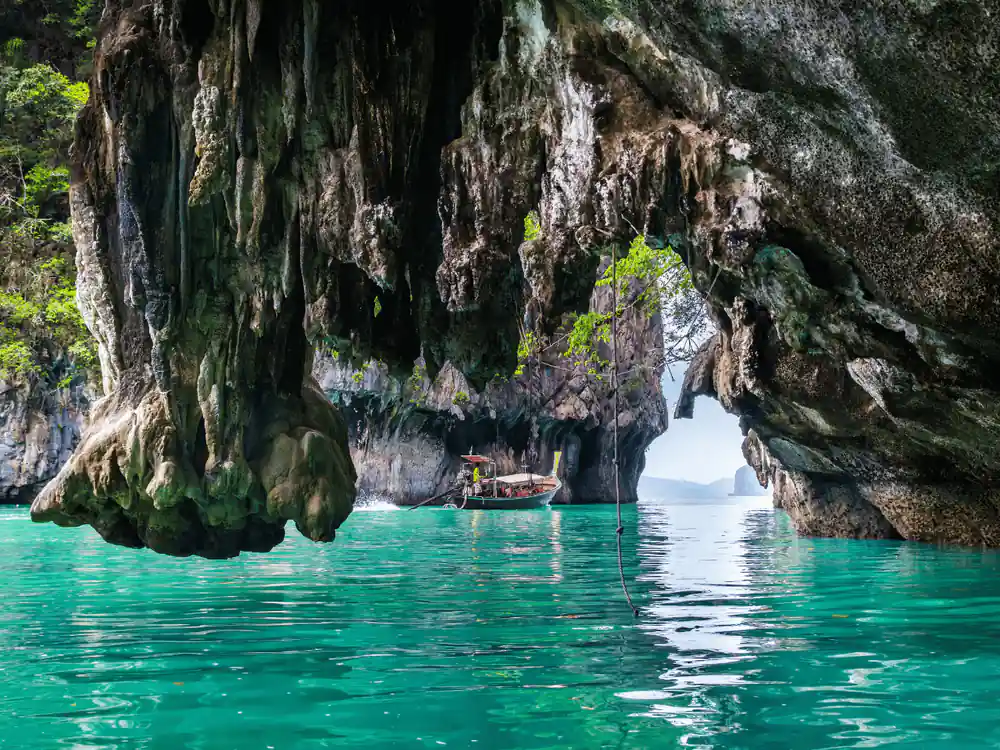
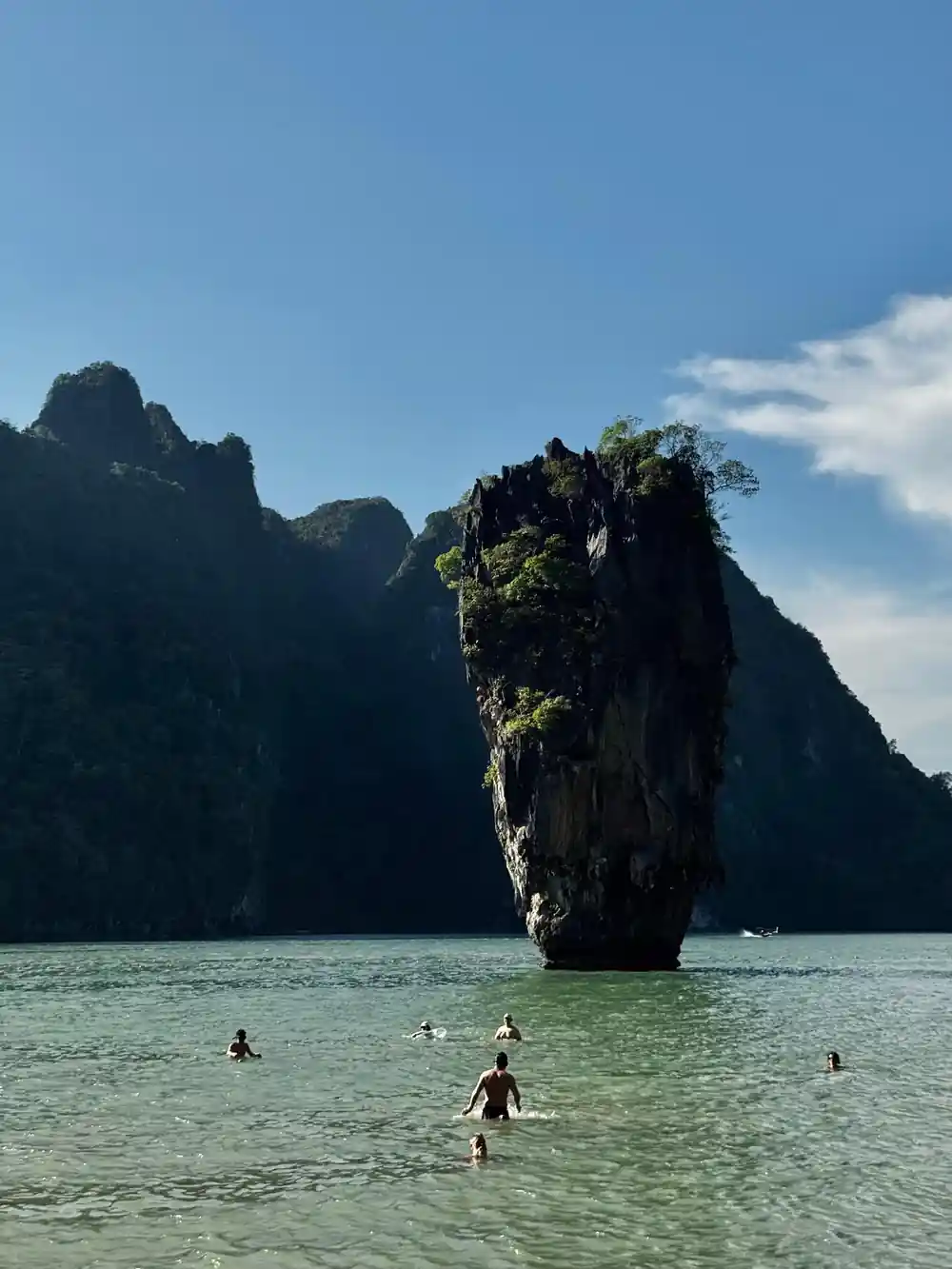
Wear water shoes or reef shoes on this tour, not barefoot exploration or standard flip-flops. The limestone terrain around Panak Island and Ko Hong has sharp edges and jagged surfaces that cut skin easily. Water shoes have drainage holes to let water out while protecting the sole of your foot. Many travellers wear them throughout the entire day, both on the speedboat, in the canoe, and while swimming. Reef shoes are lightweight, dry quickly, and grip wet surfaces better than canvas trainers or hiking boots.
Pack a second pair of regular walking shoes or sandals to wear during the van transfers to and from your Phuket hotel, and to change into after the tour finishes. Wet water shoes take several hours to dry completely, and wearing them afterwards causes blisters. If you prefer sandals with straps, ensure they stay on during swimming; loose flip-flops wash away or float away in the water. Check your water shoe fit before the tour day; ill-fitting shoes cause blisters that make walking and wading painful for the remainder of your holiday.
Storing valuables and important documents safely
Bring your passport or ID card, a copy is accepted, but leave large amounts of cash, credit cards and jewellery behind. Valuables are vulnerable to loss in the water, damage from salt spray, and theft from unsecured locations on the vessel. Instead, leave these items locked in your hotel safe or with the front desk. Bring only the cash you need for small purchases, tips, or emergencies, stored in a waterproof pouch or dry bag, and keep that bag with you at all times on the boat rather than in an open pocket.
If your hotel room lacks a safe, use the hotel's front desk safe deposit service, which is standard at all Phuket hotels. Carry a photocopy of your passport identification page if you require proof of identity, keeping it in the waterproof pouch. A small crossbody bag or backpack designed for water sports, with sealed compartments, is ideal for holding your phone, small wallet, and any valuables you do carry. Leave expensive sunglasses at your hotel as well; the combination of salt water, sweat, and sun exposure causes damage, and the risk of loss in the water is high.
Towel, extra clothes and personal care items
Bring a microfiber towel or lightweight fast-drying towel from your hotel, rather than relying on the tour operator to provide one. The tour includes a Thai-style set dinner after the night swimming, and you will want to dry off and change into clean clothes before eating. A full change of dry clothing is essential: underwear, socks, shirt, and trousers. Pack these in a waterproof bag so they remain dry while you are paddling and swimming. Many travellers prefer to wear their dinner outfit under a thin robe that they remove before the water activities, then slip back into once dried off.
Include travel-size bottles of shampoo and body wash in your checked luggage or hotel room, as the tour does not include shower facilities. After swimming in salt water, you will feel sticky and uncomfortable until you rinse off. If your hotel is relatively close to the pier, ask the tour operator whether you can return to your room to shower before dinner, as some tours allow a brief stop for this. Bring a waterproof toiletries bag containing deodorant, a small mirror, a comb, and any medications you take. Salt water irritates eyes and skin; pack eye drops and any personal moisturiser you use regularly.
Final packing checklist for the full 8-hour experience
Assemble your gear the evening before the tour. Water shoes or reef shoes, quick-dry shirt, quick-dry shorts, lightweight jacket, and a second shirt occupy minimal luggage space. A microfiber towel rolls to the size of a water bottle. Include your waterproof phone case, reef-safe sunscreen, insect repellent, a small dry bag for valuables, and your full change of clothes in a separate waterproof pouch. Most Phuket hotels provide small complimentary bottles of water and soft drinks in the room; the tour includes soft drinks and water on the boat, so you do not need to carry extra water bottles. Wear sunglasses with a retaining strap so they stay on your head if you go overboard.
Arrive at your hotel lobby 10-15 minutes before your scheduled pickup time, already dressed in your water-appropriate base layer and shoes. This gives you time to confirm details with the pickup driver and ask any last-minute questions about the itinerary. Place all valuables in the hotel safe before pickup, and take only your waterproof pouch with essential cash and your phone. The entire tour lasts 8 hours from pickup to drop-off, and dinner is included partway through, so you will get back fed but late; confirm with the hotel that a late return is fine. By packing strategically around the wet-then-dry-then-wet cycle, you will stay comfortable from the limestone islands through the bioluminescent plankton experience and the evening meal.
Ready to book your Phang Nga adventure?
from US$89Reserve now & pay later