At a glance
- Modern phones capture bioluminescence better than older models, but expect dimmer results than your eye sees. Night mode and manual ISO control matter most.
- Bring two fully charged power banks. One phone on night mode drains 15-20% per hour in low light. Plan charging stops between paddling and cave visits.
- Use night mode or manual mode with ISO 800-1600, shutter speed 1-2 seconds, and widest aperture. Avoid digital zoom; move closer instead for sharper glow.
- A sealed waterproof case protects against spray and accidental dunks. Remove phone before entering caves or changing angles to avoid condensation inside.
- Drones are not permitted over Phang Nga Bay National Park. Handheld cameras and phones are welcome; ask your guide about designated photo stops along the route.
Framing the Karst and Viewpoints in Daylight
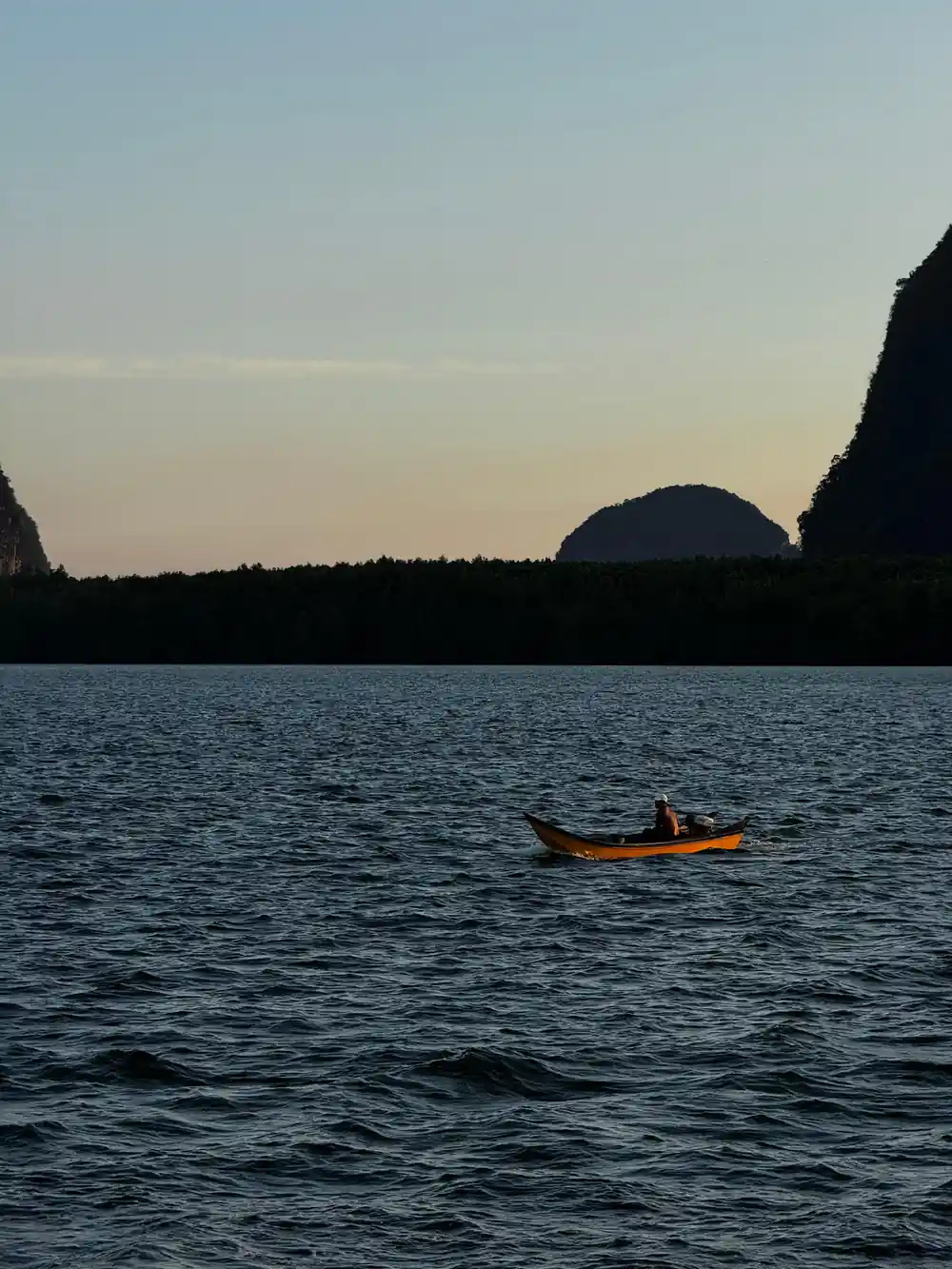
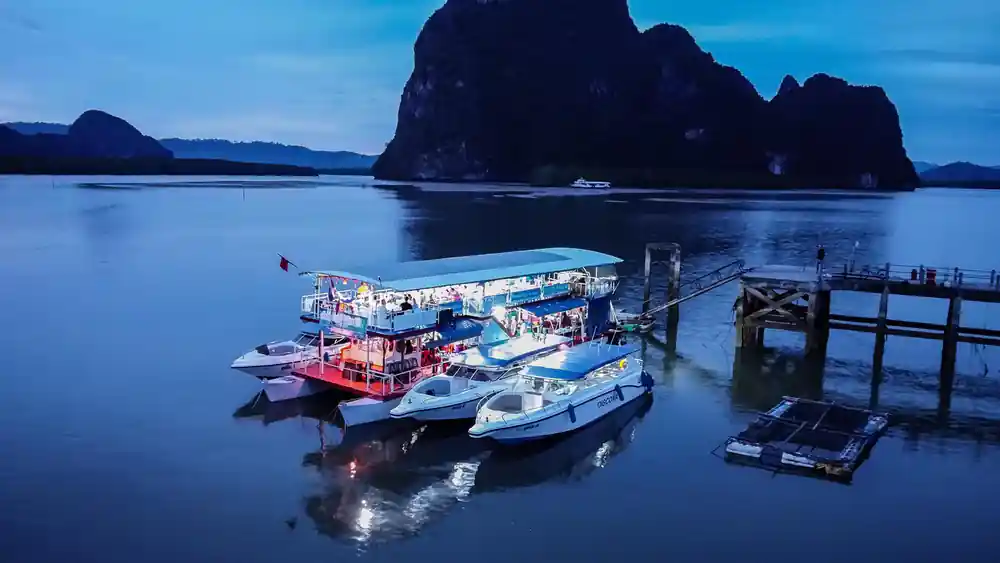
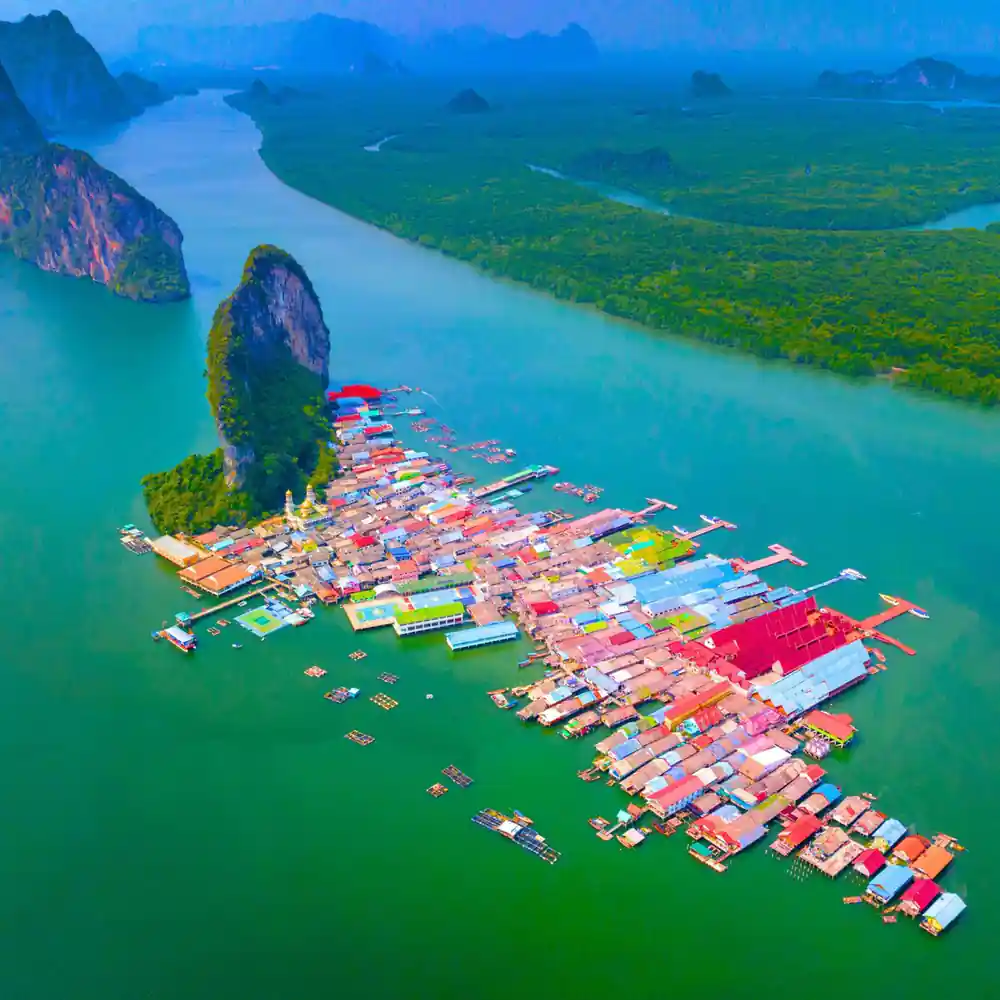
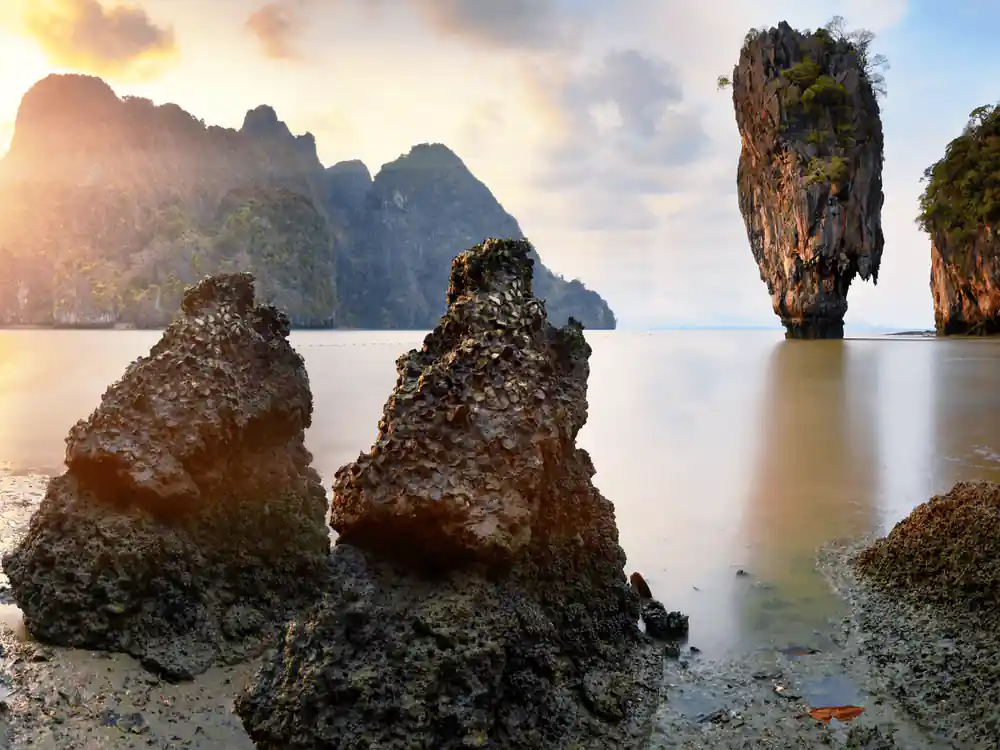
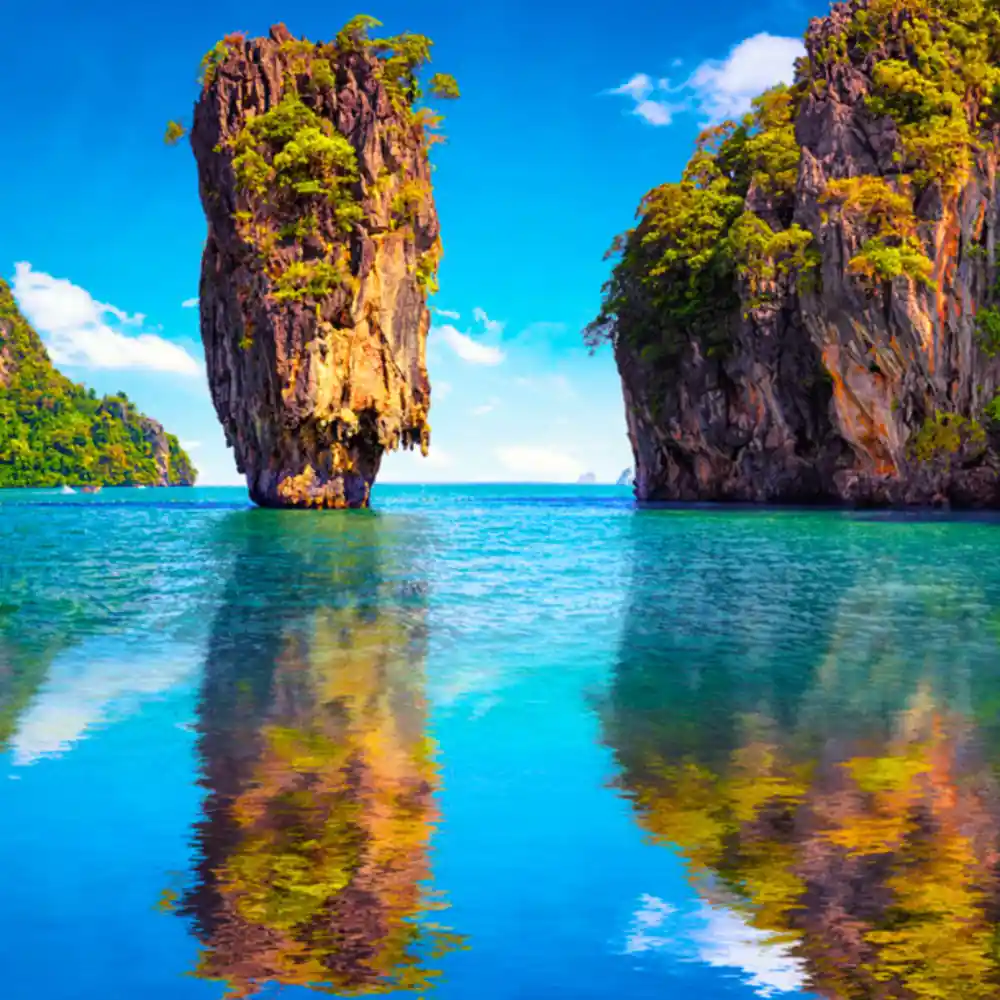
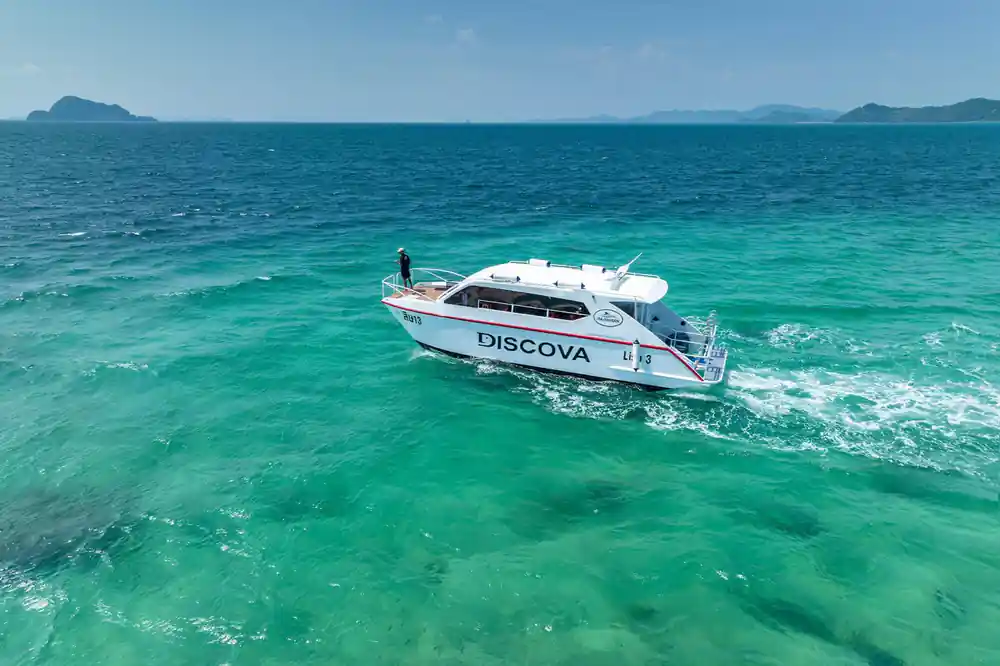
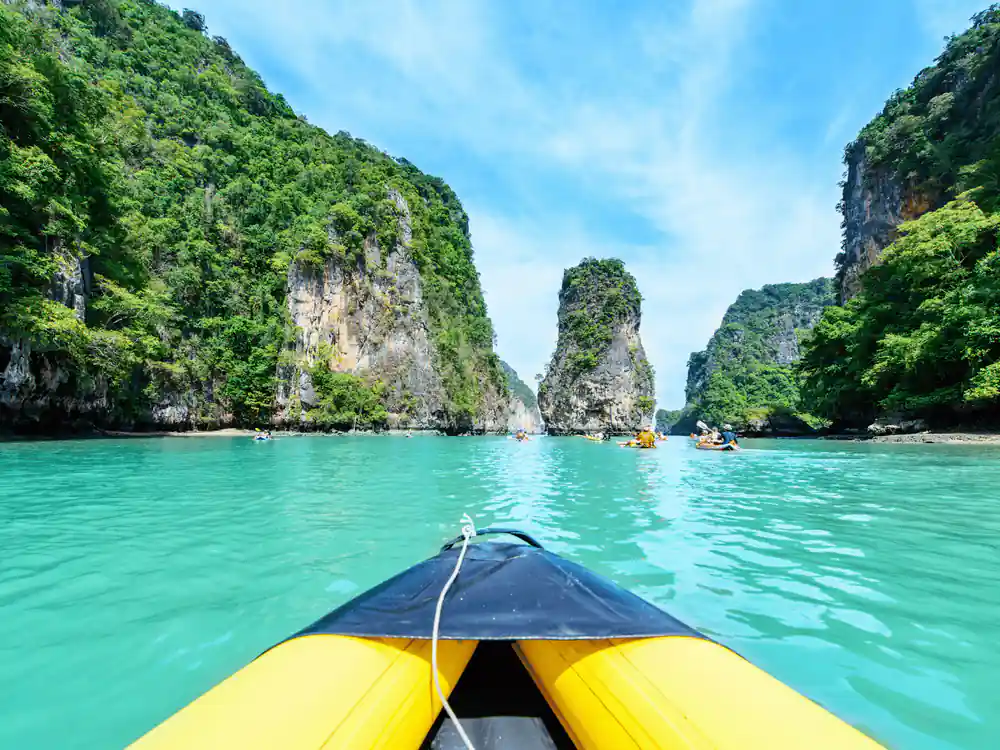
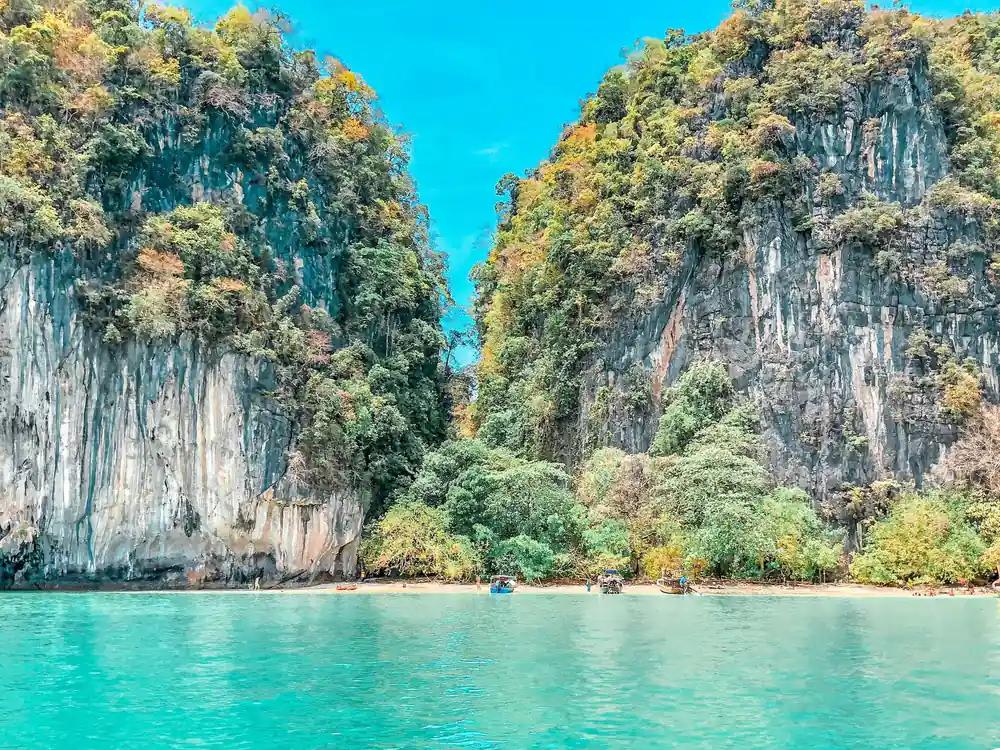
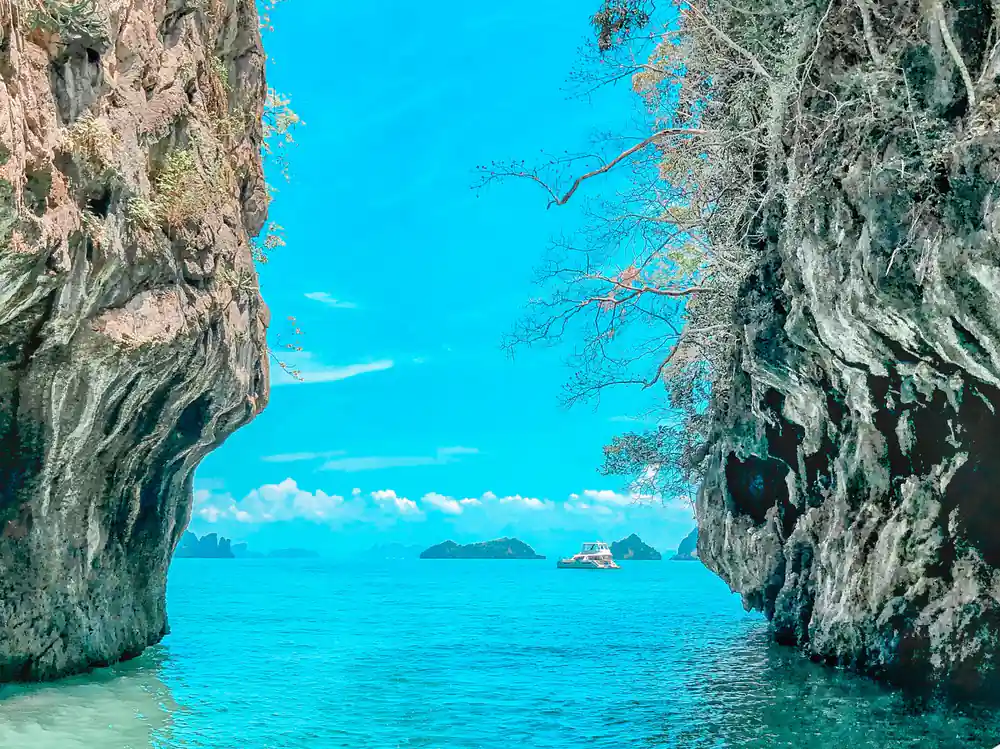
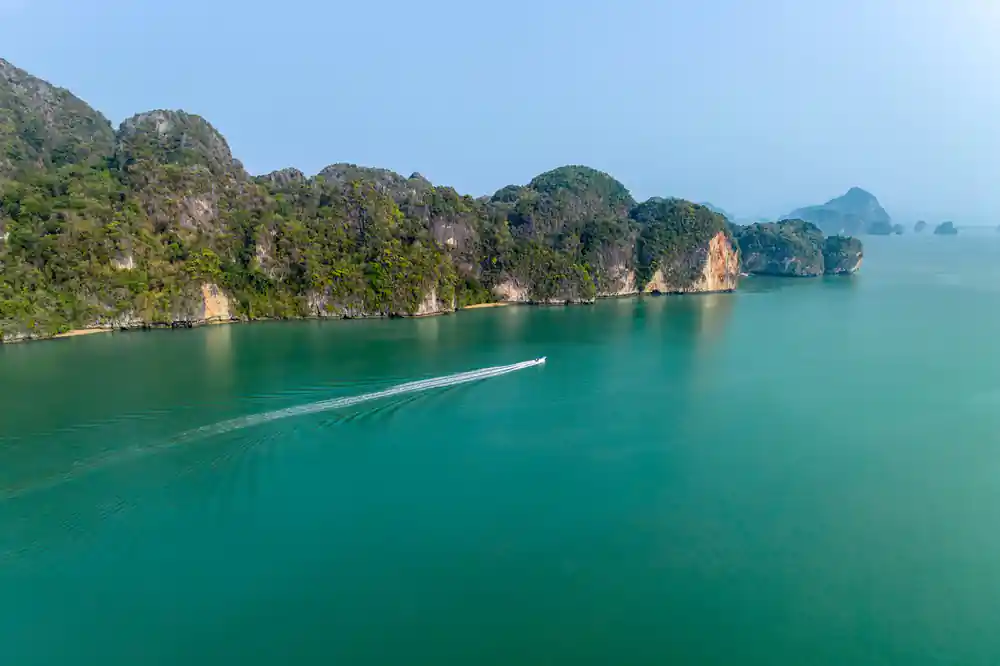
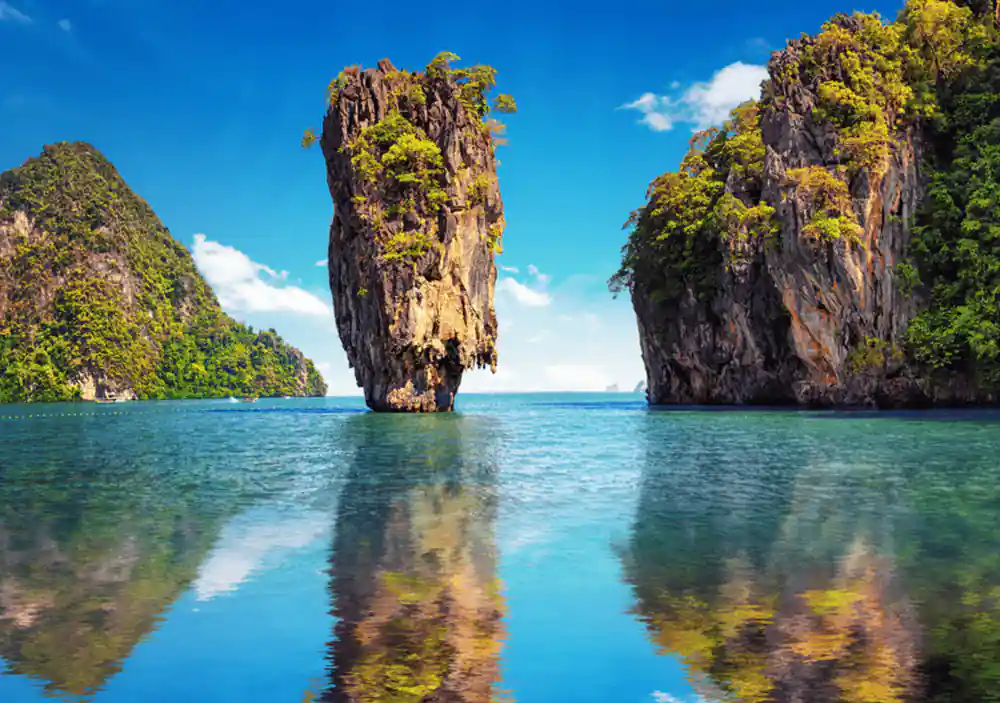
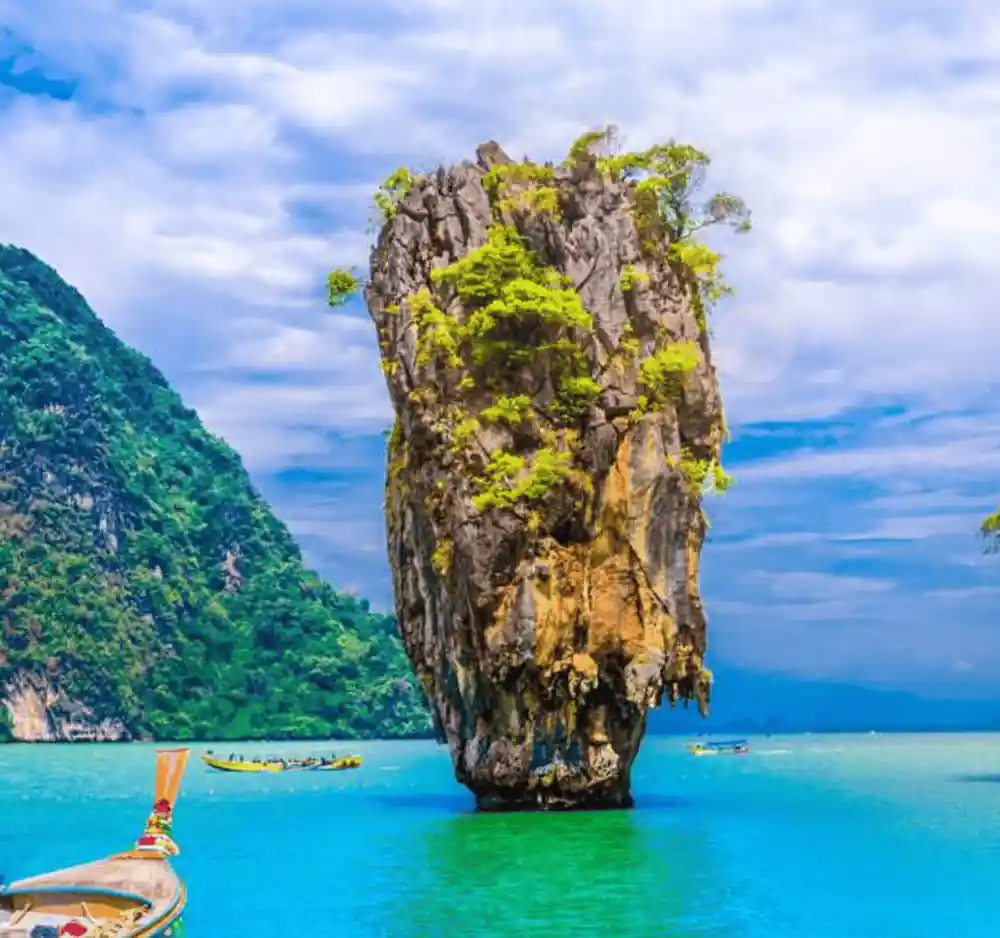
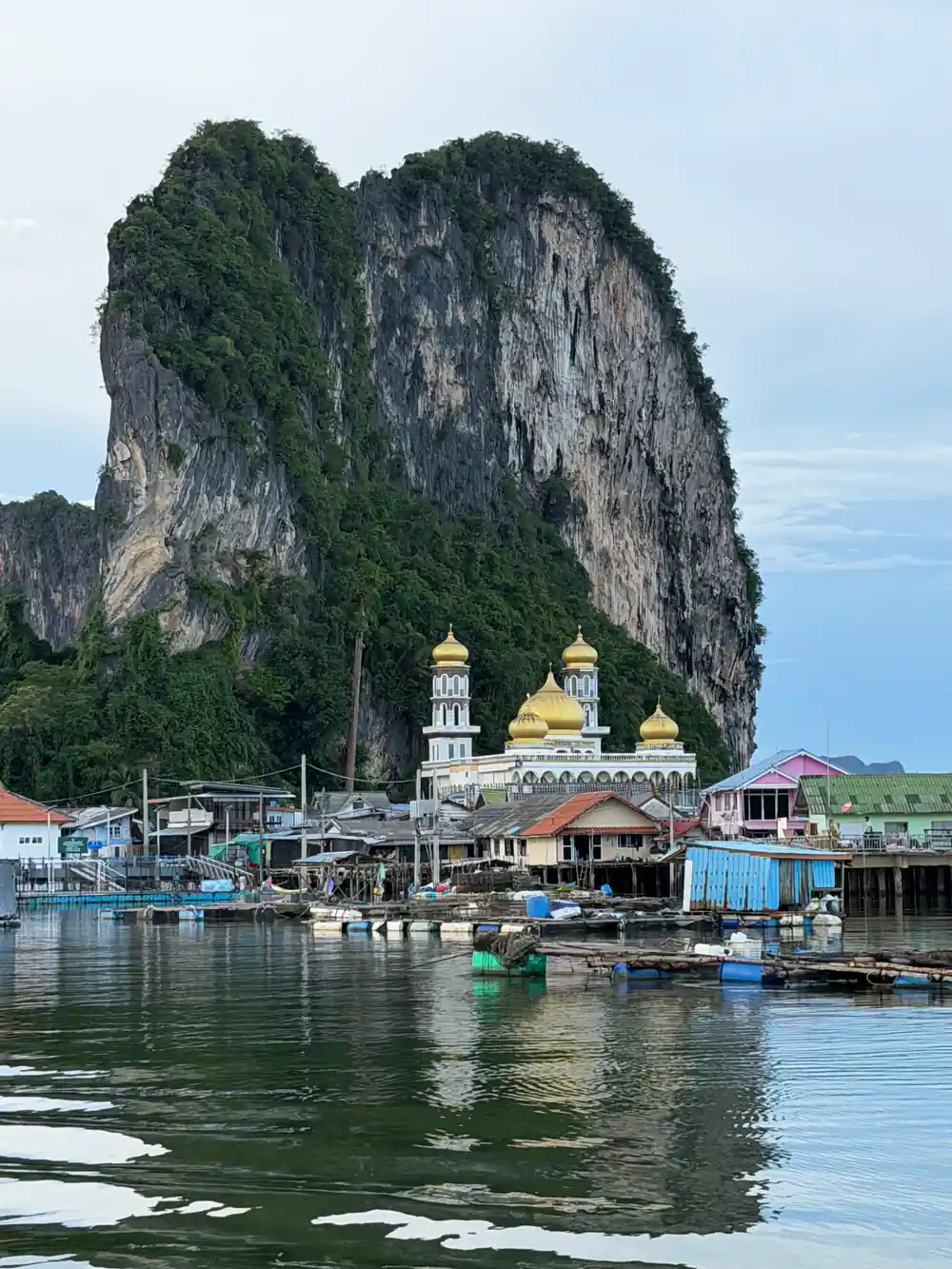
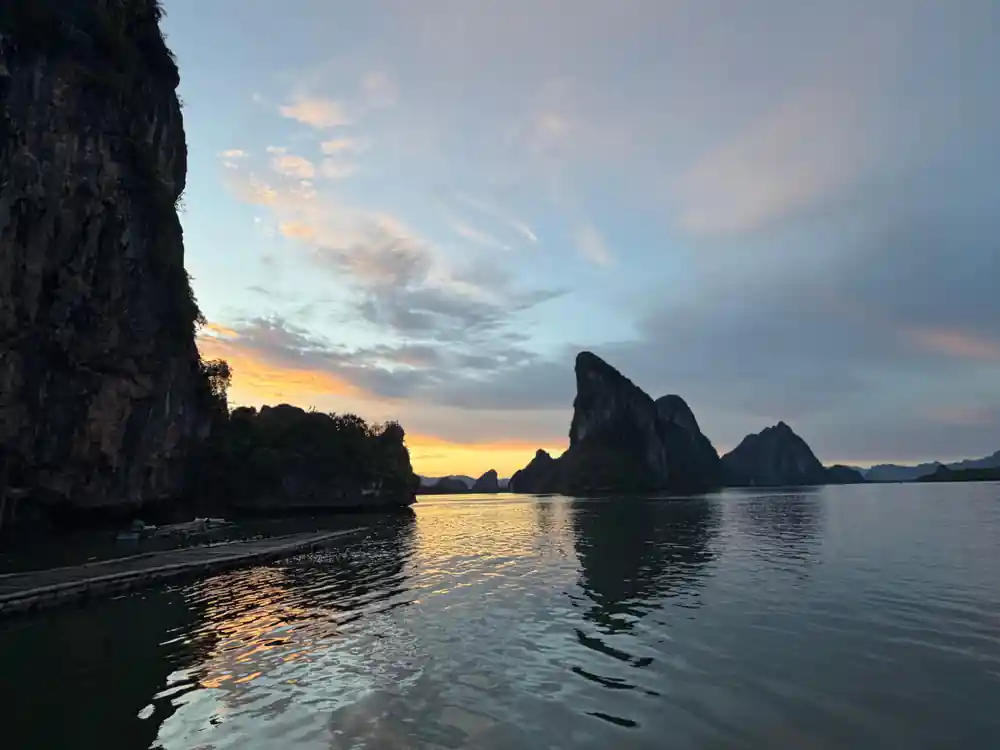
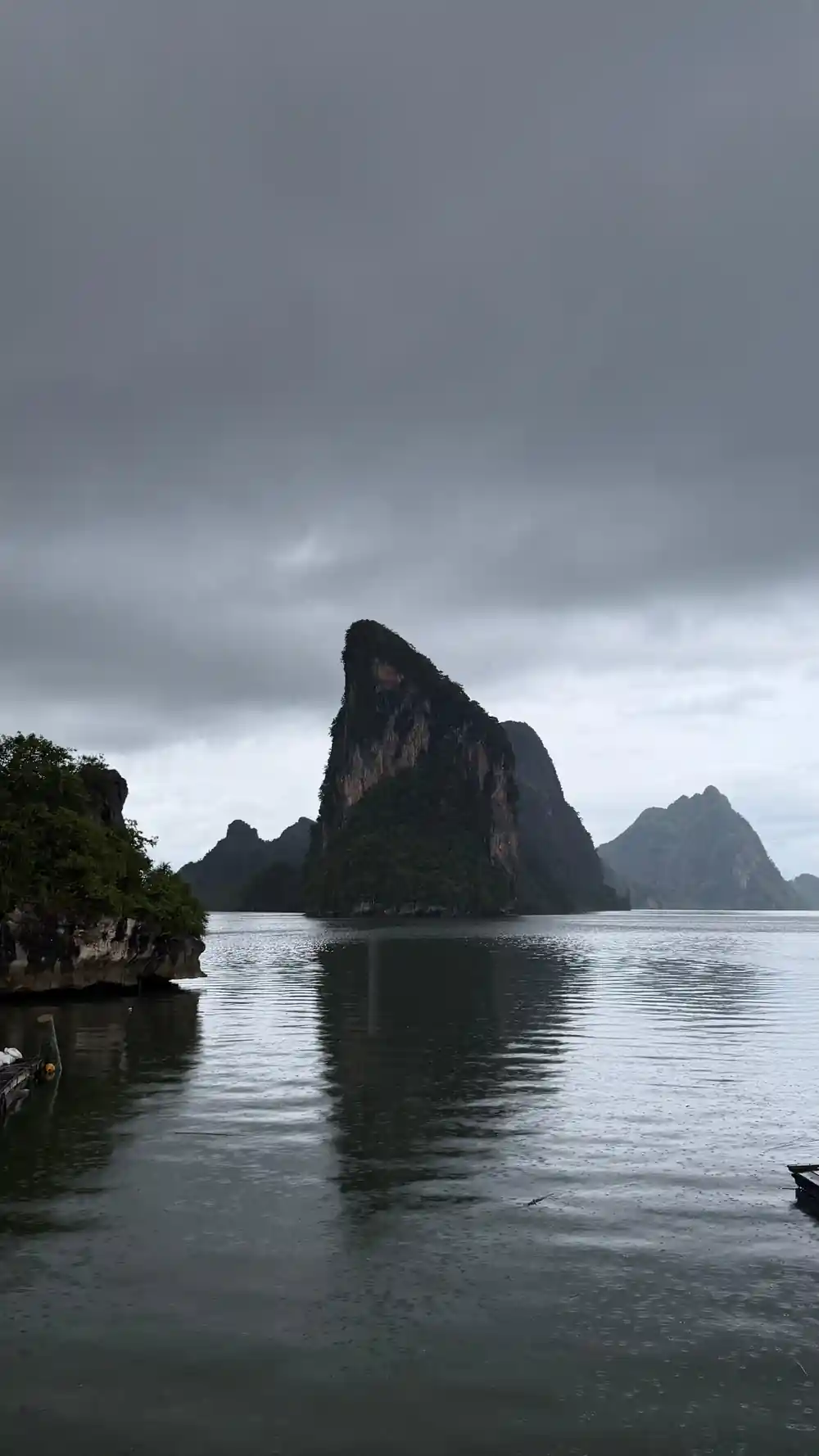
Your first hours aboard offer the clearest light for landscape photography. The boat stops at iconic limestone formations, including the famous James Bond Island, where vertical cliffs rise dramatically from emerald water. Shoot these in the early part of the 8-hour tour when the sun is still high enough to illuminate the rock faces without harsh shadows. Use a wide-angle lens or your phone's default setting to capture the scale; step back rather than zooming in, as the context of the bay makes the formations powerful.
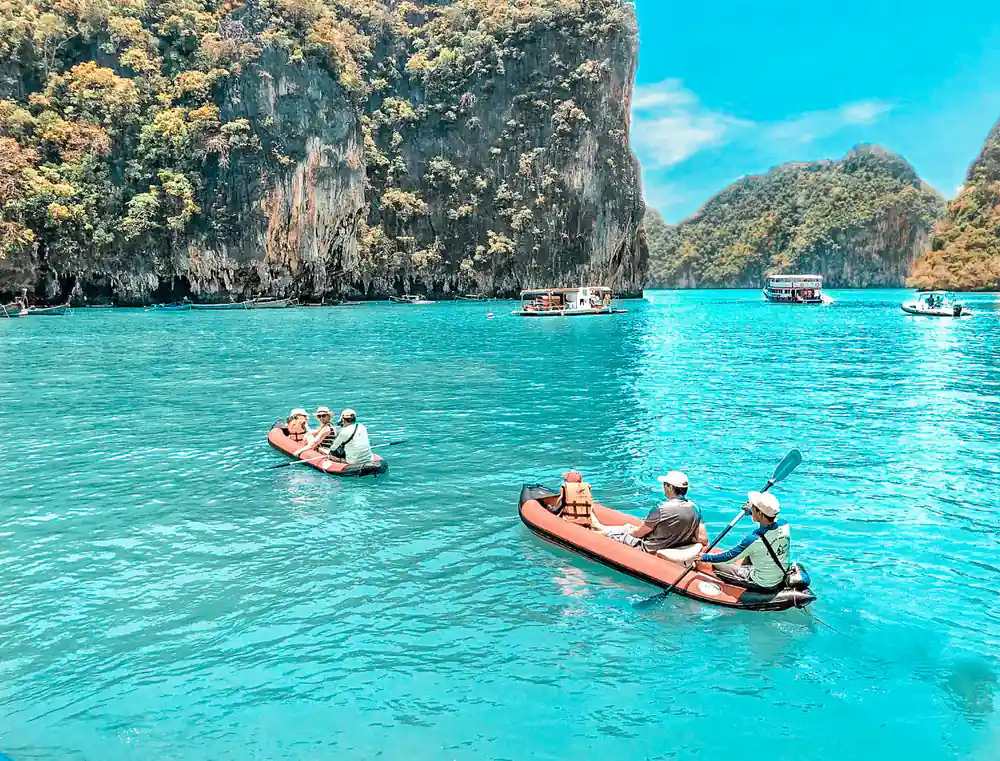
The challenge in Phang Nga Bay is glare off the water. Polarizing filters cut reflections if you have a dedicated camera; on a phone, angle yourself to avoid shooting directly into sunlit water. Your guide will navigate to viewpoints from the speedboat and later from the sea canoe, giving you multiple angles of the same formations. Shoot in portrait and landscape orientations, and take time framing the limestone against sky rather than rushing to capture everything.
Shooting Inside Sea Caves with a GoPro
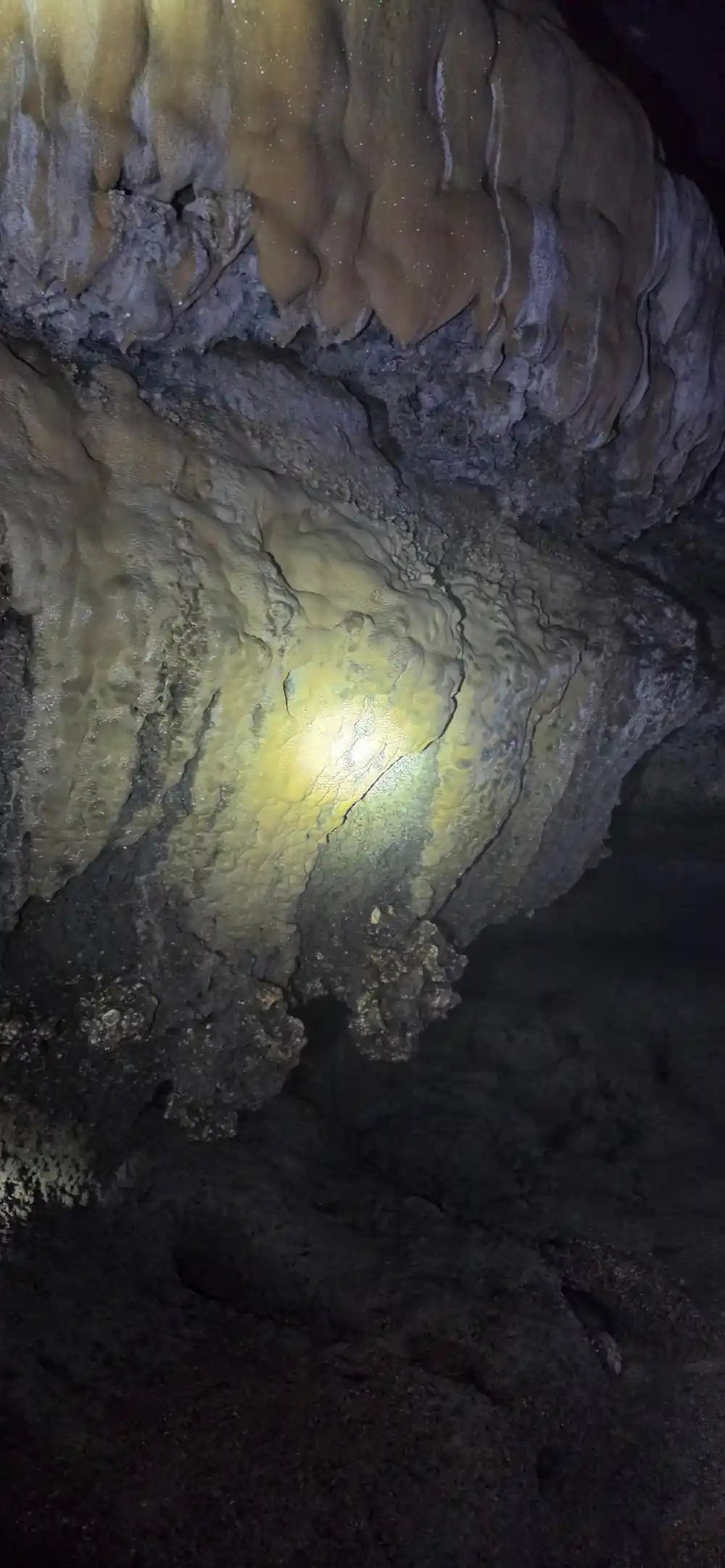
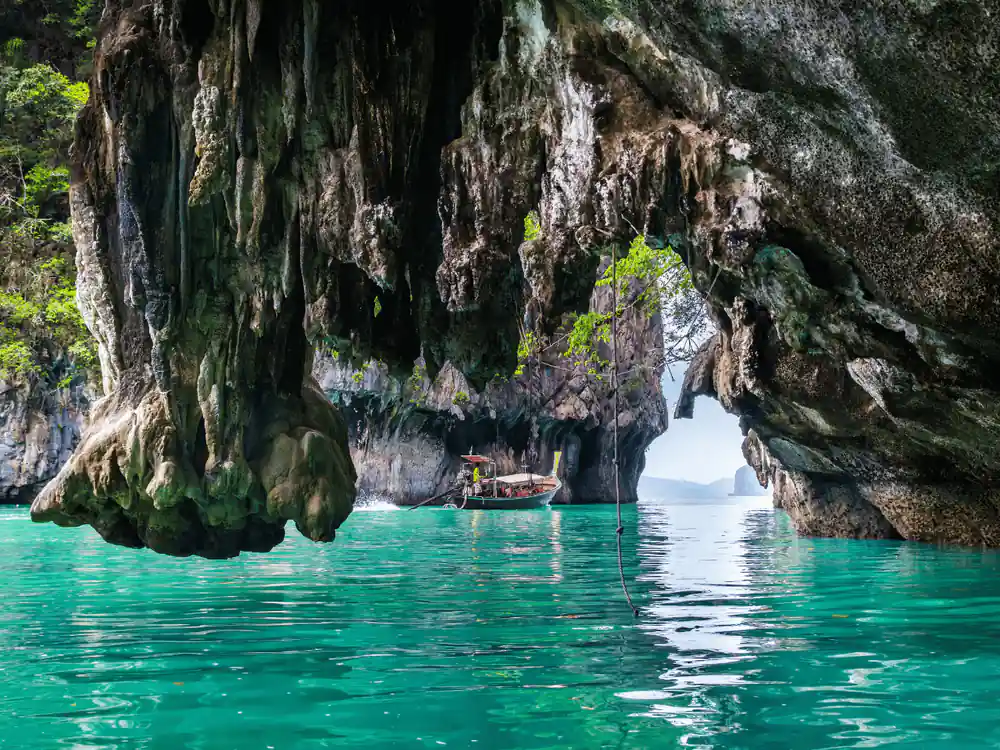
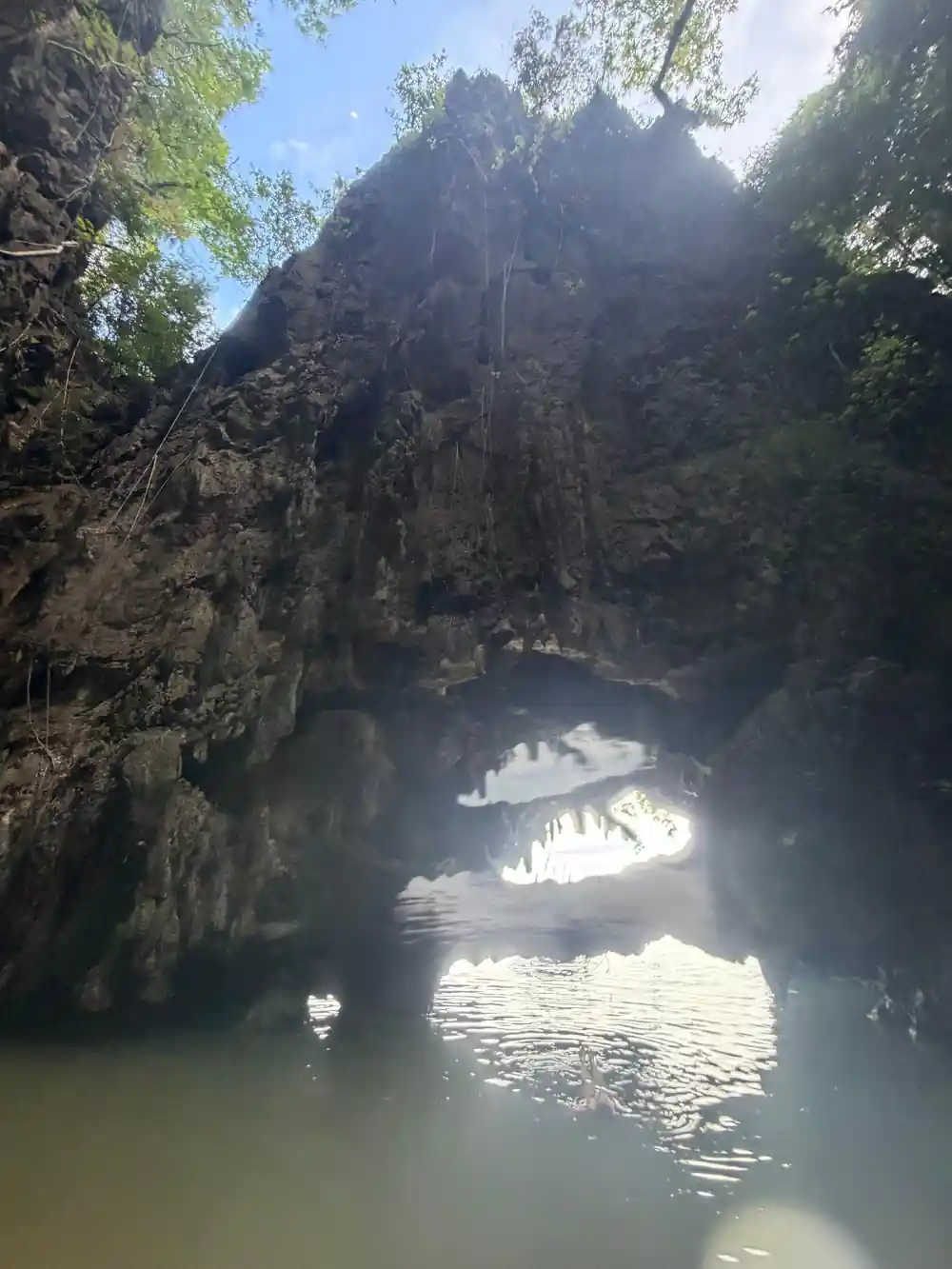
Sea caves punctuate the Phang Nga Bay tour, and their interiors demand a different approach. A GoPro or rugged action camera is practical here because the narrow cave passages require you to hold it at arm's length, and the risk of water spray increases. The caves are dim, so the GoPro's wide field of view helps gather available light without requiring you to steady a phone in an awkward position. Mount it on a wrist strap or helmet mount if your tour allows, freeing both hands for stability in the canoe.
Check beforehand whether your guide permits filming inside the caves, as some national parks restrict it. The caves themselves contain minimal plankton during daylight; the real bioluminescence magic happens after dark in open water. Inside the caves, focus on capturing the scale of the rock formations and the quality of light filtering through narrow openings. A GoPro set to 4K at 30 frames per second will preserve detail in these shadowy environments better than a phone's video mode.
Waterproofing Your Phone in the Sea Canoe
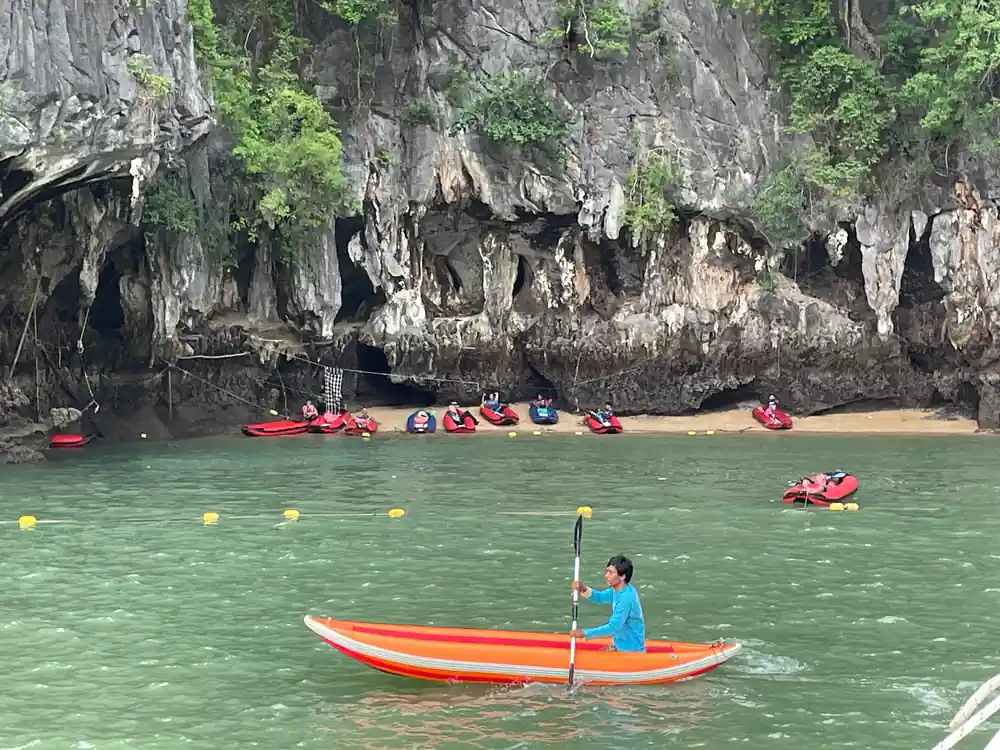
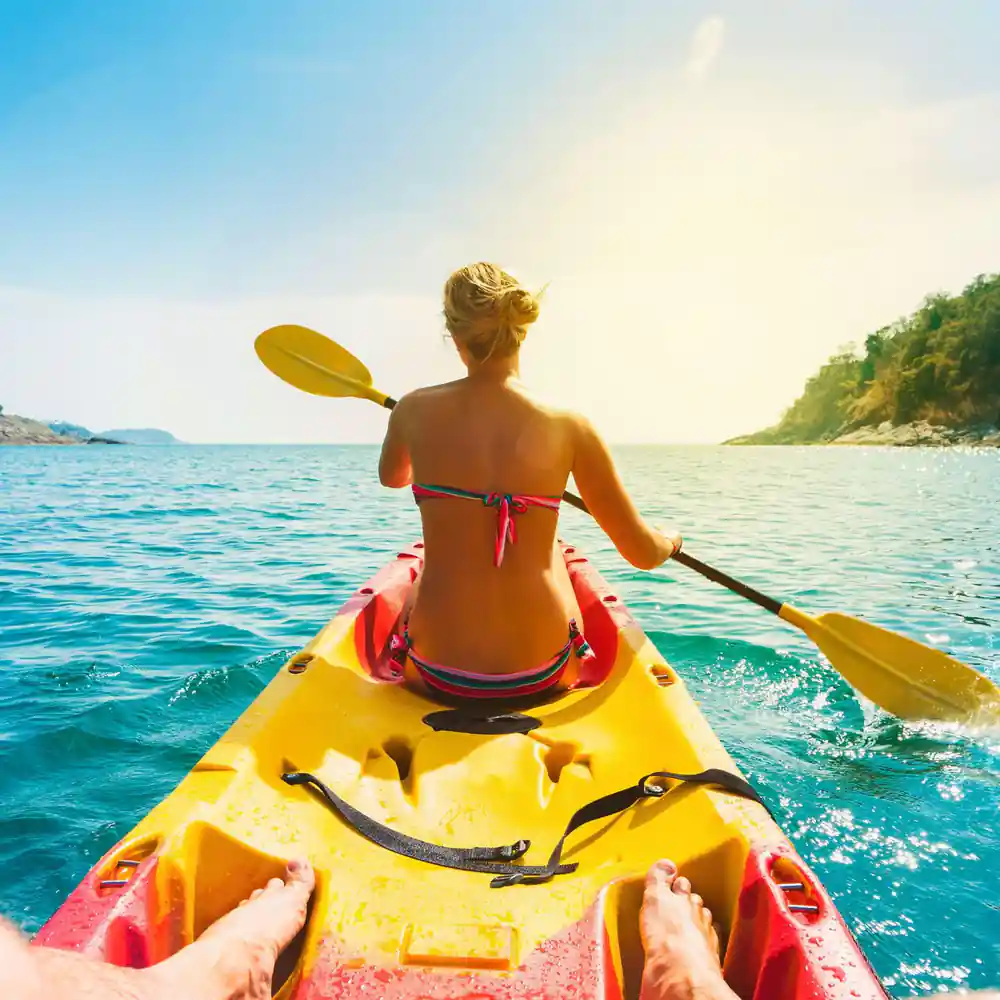
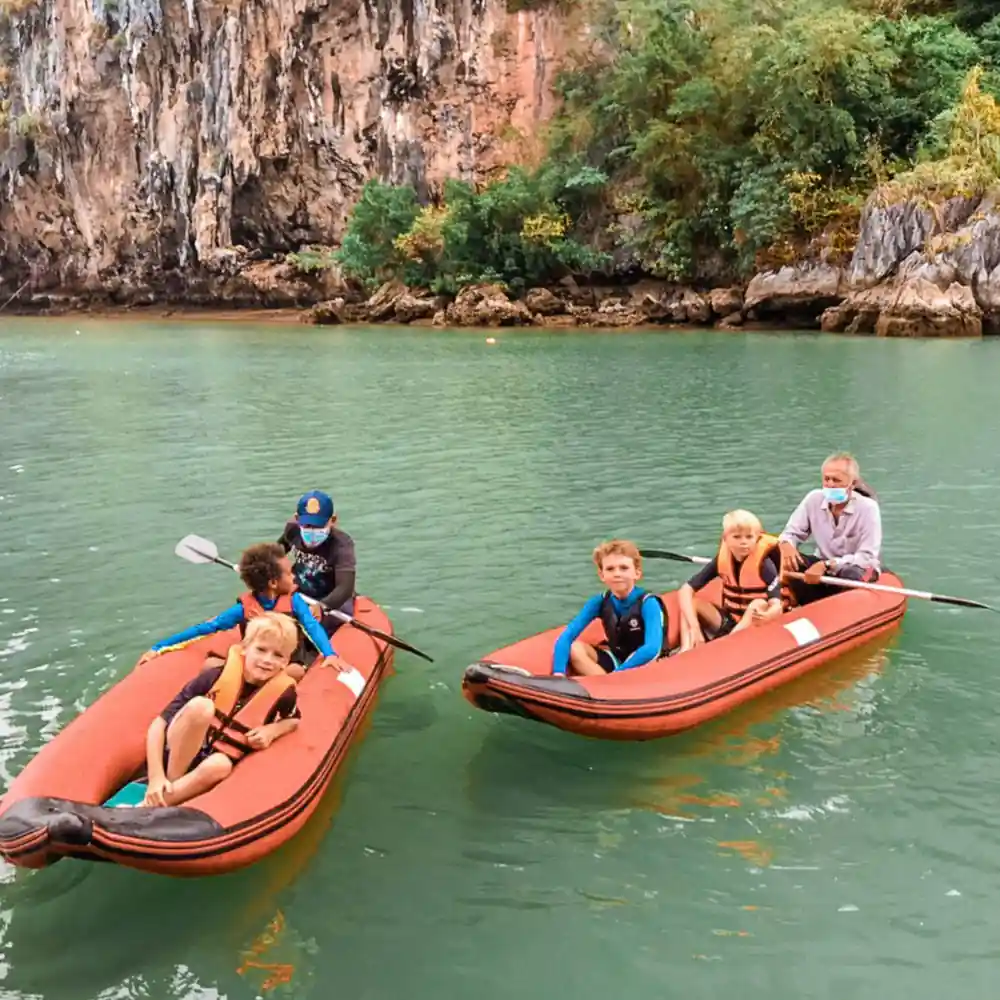
The sea canoe portion is where your phone faces the most risk. Splashing from paddle strokes, sea spray, and occasional waves mean your device must be protected. A waterproof phone case designed for snorkeling or water sports is essential; these are sealed pouches that allow touchscreen operation through a clear plastic window. Test the seal at home before the tour. Clip the case to your life jacket or secure it with a lanyard around your wrist so it stays with you if you accidentally drop it.
Keep your phone in the case for the entire canoe section, even if the water seems calm. The Phang Nga Bay is tidal and conditions change. A waterproof pouch also protects against condensation inside if sea spray coats the outside; the trapped moisture won't reach the phone. Bring a microfiber cloth to dry the outside of the case between photos, as water droplets on the plastic window degrade image sharpness significantly.
Drone and National Park Photography Rules
Drones are restricted over Phang Nga National Park, and operators enforce these restrictions. Before bringing a drone, confirm with your tour operator that aerial photography is permitted; the answer is likely no, as most national parks prohibit unmanned aircraft to protect wildlife and maintain the designated flight corridors for tour boats. This is not a tour feature you should plan around. If drone footage is important to you, arrange it separately outside the park or choose a different destination.
The prohibition exists to protect the ecosystem and manage safety across busy waters. Focus instead on the unique perspectives available from the boat itself: low-angle shots from the speedboat's bow, framed compositions from the sea canoe at water level, and elevated views from vantage points your guide will identify. These will give you dramatic imagery specific to the bay without the complexity of drone regulations.



Camera Settings for Bioluminescent Plankton at Night
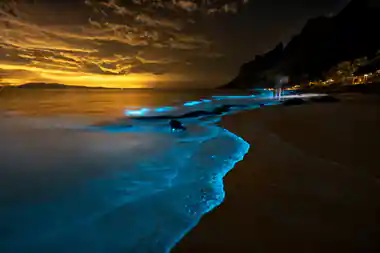
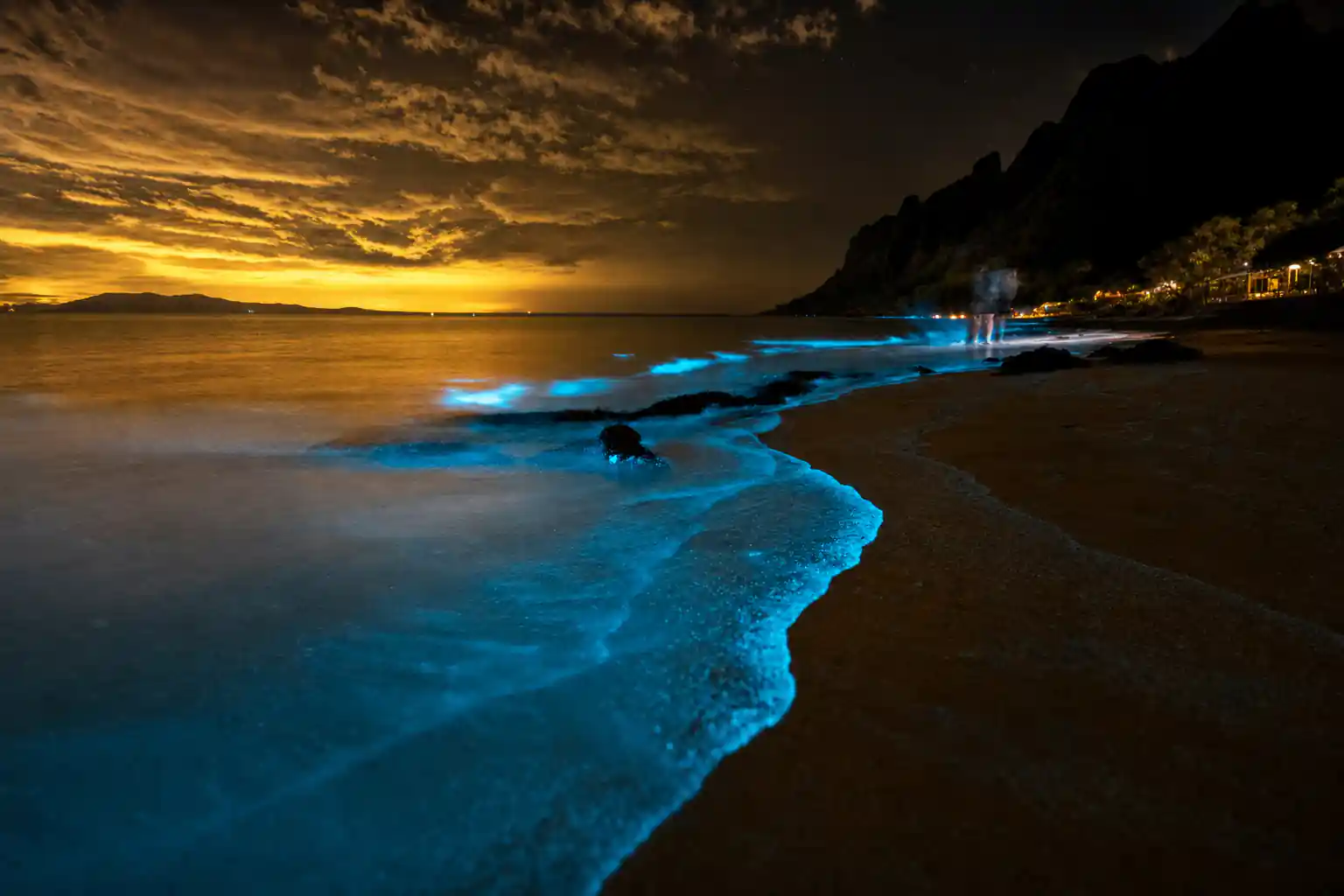
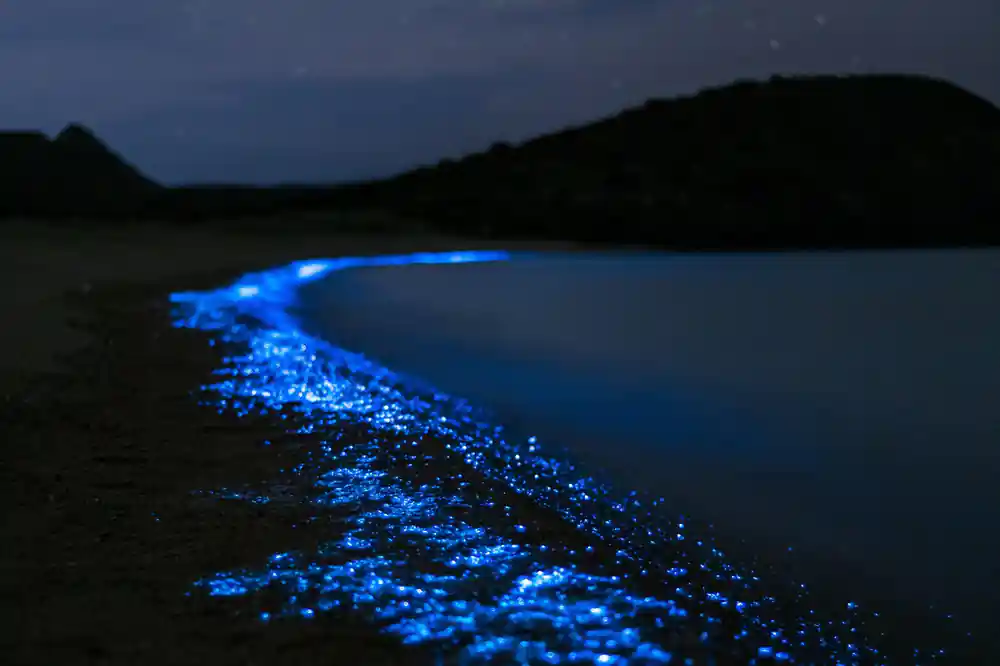
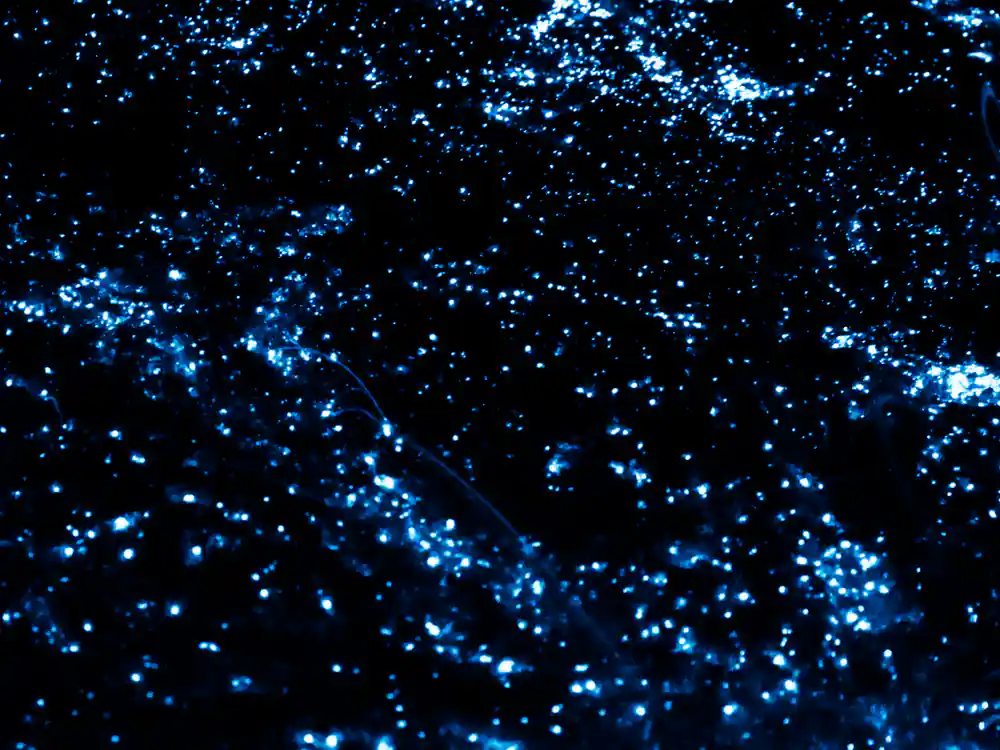
Photographing dark water requires abandoning standard phone settings. Bioluminescent plankton emit faint light only visible to the camera in near-total darkness, so switch to manual mode if your phone supports it. Set ISO to maximum (usually 1600 or higher on modern phones), shutter speed to at least one second or longer, and aperture wide open. Most phones default to automatic, which will underexpose the faint glow and produce a black image. Open the camera app's pro mode or download a manual camera app like Lightroom Mobile or Moment before the tour.
The plankton display is strongest when the sea is undisturbed. Your canoe sits still or drifts slowly while guides direct your attention to areas with the brightest concentration. Hold the phone steady using both hands or a small tripod clamp; even slight movement during a one-second exposure will blur the image. Use live photo mode if available; it captures multiple frames, and you can choose the sharpest one later. Expect most shots to look like dark water with faint blue-green streaks; this is normal and matches what the eye perceives in darkness.
Managing Battery Life Across Eight Hours
An 8-hour tour depletes a full phone battery before sunset arrives. Plan for this by bringing an external battery pack with at least 10,000 mAh capacity; smaller packs (5,000 mAh) will add only one hour of shooting. Charge your phone completely before pickup. During daylight hours, limit screen brightness and close background apps to extend battery life. Turn off location services, Bluetooth, and cellular data; you do not need these during the tour, and they drain power continuously.
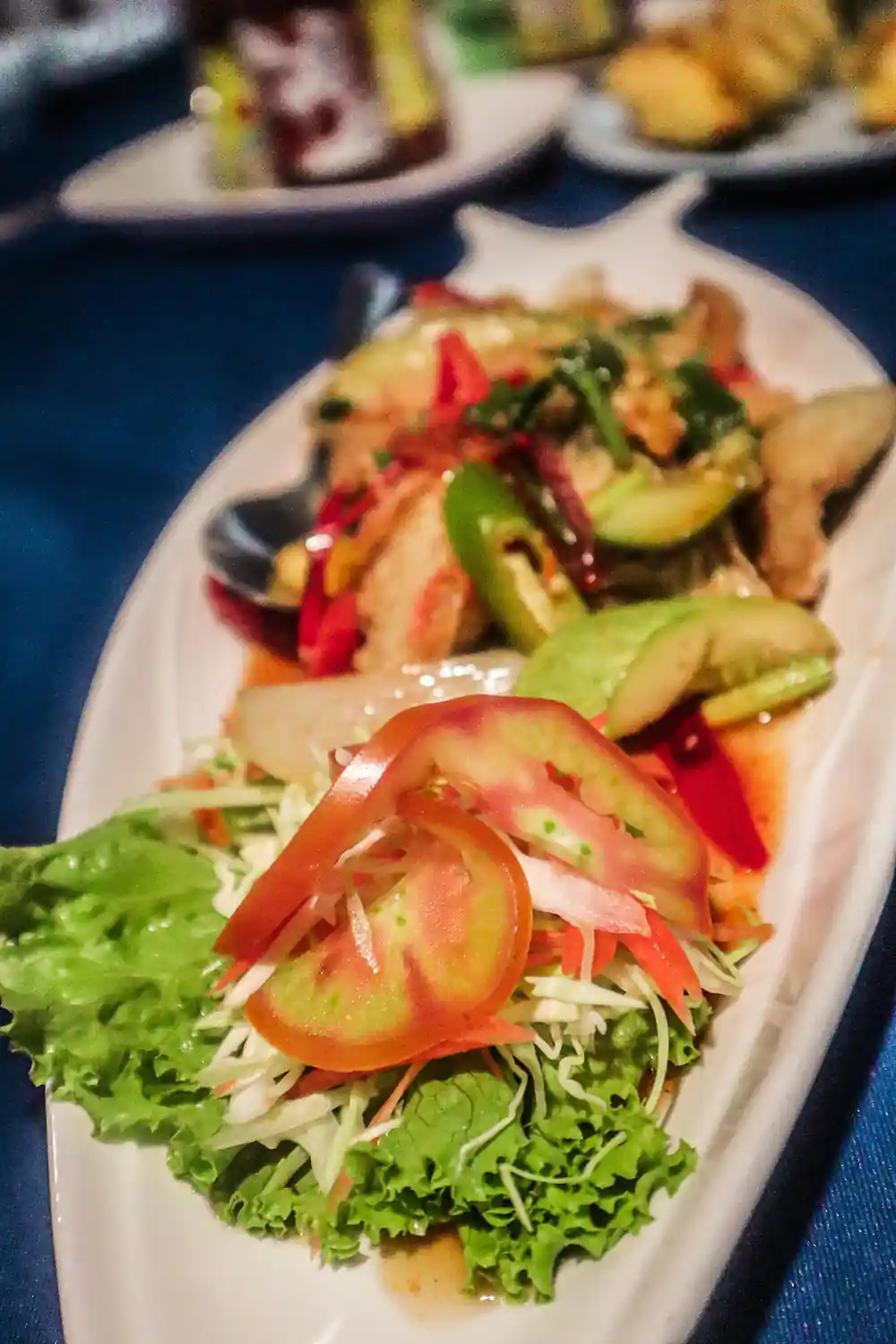
Use low-power mode starting mid-afternoon. The trade-off is reduced performance, but your phone will remain powered through the plankton photography session after dark. Your external battery should stay dry in a small waterproof bag inside your larger daypack. Bring a USB-C or Lightning cable compatible with both your phone and the external battery. Charge during the Thai-style dinner break or while traveling in the van, so you arrive at the evening sea canoe session with full capacity. Without this planning, you will run out of battery during the bioluminescence window, when the light is best.
What Your Guide Can Provide and What You Cannot Control
Your tour includes a German, English, or Spanish-speaking guide, depending on your booking option. Guides are trained to navigate and interpret the landscape but are not professional photographers. Do not rely on the guide to capture photos for you; they are managing safety, timing, and boat operations. If photography is central to your experience, bring a second device or make peace with being the one holding the camera for the entire day. Some guides will pose briefly for group shots, and it is worth asking, but this is a courtesy, not a tour service.
You cannot control weather, water conditions, or the intensity of the plankton bloom on your specific date. Bioluminescence depends on plankton concentrations, which fluctuate seasonally and nightly. Some evenings the glow is vivid; others it is subtle. Calm water produces brighter plankton images than choppy seas. Accept these variables and focus on the technical execution within your control: exposure settings, waterproofing, battery management, and framing. The combination of these elements will result in memorable images regardless of external conditions.
Ready to shoot the glow? Book your spot
from US$89Reserve now & pay later