At a glance
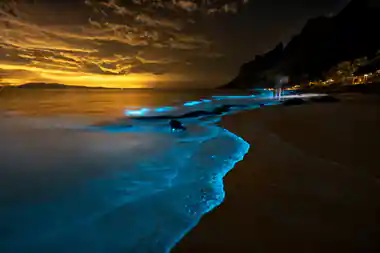
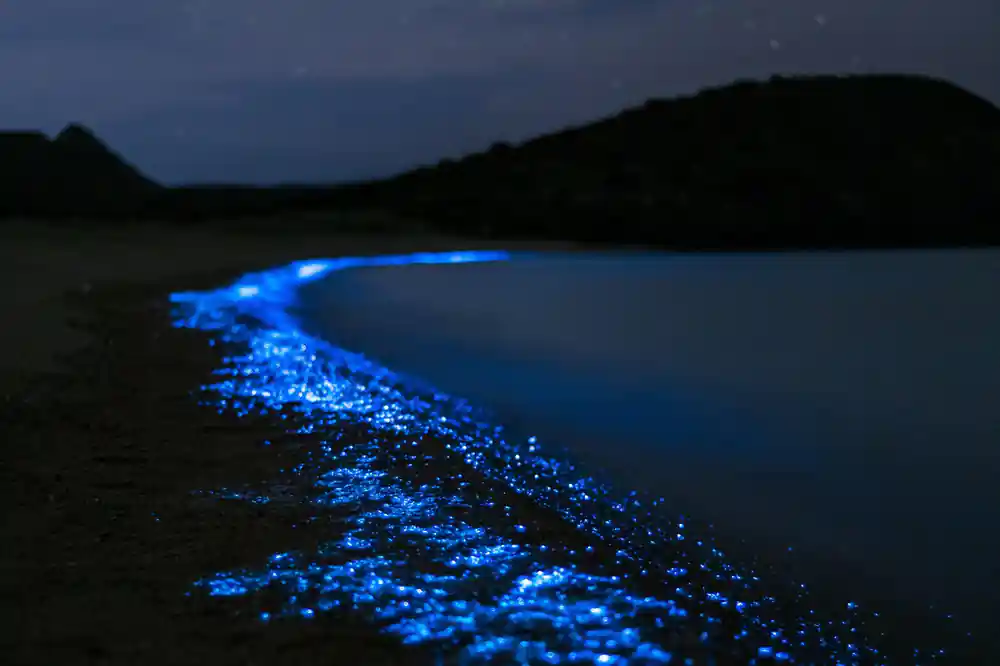
- Dinoflagellates, single-celled marine organisms, produce the blue glow when agitated by movement through the water.
- Physical disturbance activates a chemical reaction within each organism, releasing the bioluminescent glow instantaneously.
- Bioluminescent plankton are harmless to swimmers. You can safely swim through the glowing water without risk.
- Plankton appearance depends on season, water conditions, and weather. No operator can promise the glow will occur on your night.
- The human eye sees the glow more subtly than camera flashes capture it. Expect an ethereal shimmer rather than vivid blue.
The Dinoflagellate: A Single-Celled Light Show
The bioluminescent glow you witness in Phang Nga Bay comes from dinoflagellates, microscopic marine organisms smaller than the width of a human hair. These single-celled creatures belong to the genus Noctiluca, and they possess an extraordinary ability: when disturbed, they produce a brilliant blue-green light through a chemical reaction inside their cells. This reaction involves a light-emitting protein called luciferin, which combines with oxygen to create photons of visible light. The dinoflagellate uses this flash as a defence mechanism, a strategy evolved over millions of years to startle and confuse potential predators in the darkness of the ocean.
Billions of these organisms can concentrate in shallow waters near the shore, creating conditions where even a gentle hand motion sets off a cascade of individual flashes. The light is real and consistent when conditions favour a bloom, yet it relies entirely on the presence and behaviour of living creatures. Understanding that you are swimming among billions of actual organisms, each responding to movement with its own chemical spark, transforms the experience from simple spectacle into genuine biological wonder.
Why Movement Triggers the Luminescent Flash
The mechanism behind the glow is rooted in survival. When a dinoflagellate senses physical disturbance through vibrations or pressure changes in the water, it activates the bioluminescent reaction within milliseconds. This burst of light serves as a burglar alarm, startling or disorienting the small fish and zooplankton that hunt dinoflagellates. The larger and more vigorous your movement, the stronger the disturbance signal, and the brighter the response. Gentle swimming produces a softer, more ethereal glow, while splashing and rapid hand motions create intense flashes that can briefly illuminate the water around you.
This responsiveness means the phenomenon is not passive viewing but active participation. You are not merely observing nature; you are triggering it. Every kick, every arm movement, every shift of your body in the water creates waves of light. In the glowing beach environments where dinoflagellates concentrate, even walking slowly through shallow water produces visible tracks of blue light at each footfall. This interactive element explains why many visitors describe the experience as magical rather than simply beautiful.
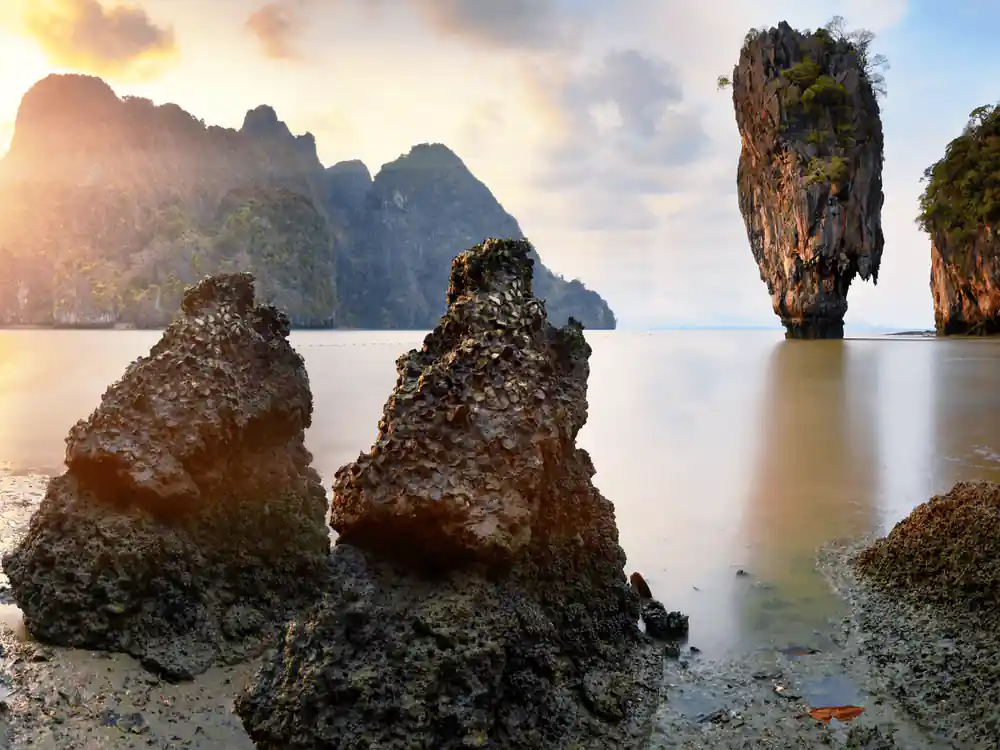
Bioluminescence glows brighter to the eye than cameras capture
What the Glow Really Looks Like: Expectations and Reality
Photographs of bioluminescent plankton often mislead. Long-exposure camera settings accumulate light over seconds or minutes, creating intensely bright, saturated blue scenes that appear almost otherworldly. The human eye, however, experiences the glow differently. In person, the light is subtle and soft, more like faint neon than a floodlight. On a dark night with no moon and minimal ambient light, the effect becomes more pronounced, with individual flashes visible as small bursts when you move quickly. On nights with moonlight or light pollution from distant towns, the glow fades into a gentle shimmer, noticeable mainly at the edges of your vision or when you create rapid movement.
This does not diminish the experience; it simply sets realistic expectations. The bioluminescence is genuine and visible, but its intensity depends on darkness levels, plankton density, water temperature, and your own sensitivity to low light. Most visitors report seeing a clear blue-green shimmer and distinct flashes when they move their hands or swim. Many find the subtle, intimate nature of the glow more affecting than dramatic photographs suggest.
Concentration Zones Within Phang Nga Bay
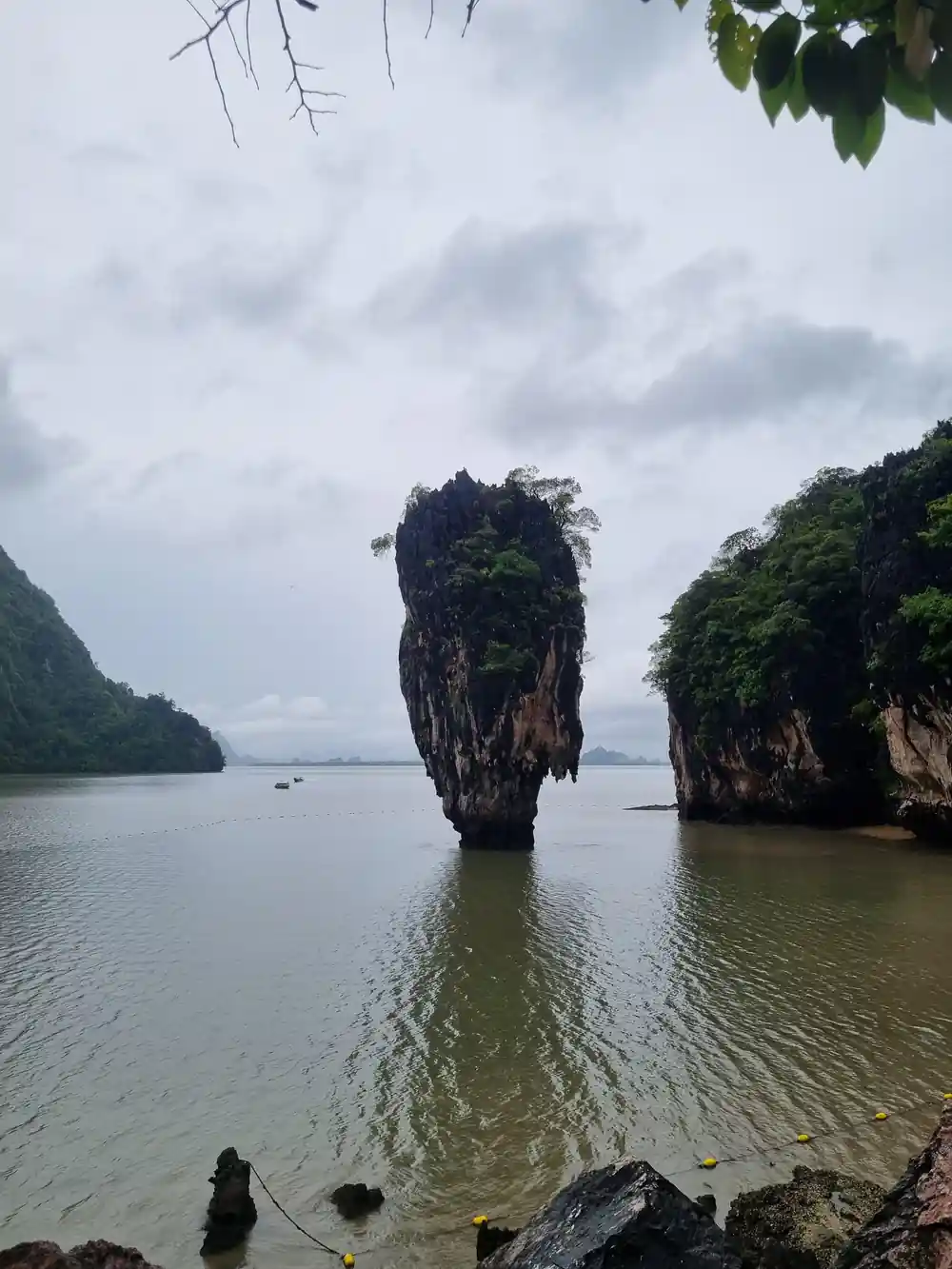
Dinoflagellates do not distribute evenly across the entire bay. They concentrate in specific zones where conditions favour their survival and reproduction: shallow lagoons with minimal water exchange, mangrove-lined inlets where organic matter accumulates, and sheltered bays protected from strong currents. In Phang Nga Bay, the strongest concentrations typically occur in smaller channels and enclosed water bodies rather than in open water. The tour takes you to multiple locations including Panak Island and Ko Hong, Phang-nga Province, where guides know from experience where plankton blooms develop seasonally.
These shallow, enclosed areas warm during the day and cool in evening, creating temperature gradients that can trigger dinoflagellate activity. Mangrove roots and fallen leaves provide nutrients that support the microorganism populations. Guides navigate toward these specific zones based on recent conditions, water temperature, recent rainfall, and historical plankton patterns. Even within a bay known for bioluminescence, some nights yield brighter displays than others, and some locations within the bay consistently outperform others.
Is It Safe to Swim in Bioluminescent Water
Bioluminescent plankton pose no direct chemical or biological hazard to human swimmers. Dinoflagellates do not sting, bite, or secrete toxins, and contact with the organisms causes no irritation to skin or eyes. The water in Phang Nga Bay where the tour operates is safe for swimming, with natural salt conditions and no harmful algal blooms associated with the bioluminescent species you encounter. Many swimmers report that the glow covers their skin and clothes without any sensation whatsoever, making it a purely visual phenomenon.
Safety equipment is included with your tour, and guides are trained in water safety protocols specific to the bay. Always follow guide instructions regarding currents, water depth, and navigation in darkness. Wear the provided flotation equipment if you are not a confident swimmer, as the darkness and your focus on the glow can distract from normal water awareness. Avoid touching your face immediately after swimming if you wear contact lenses, as salt water irritation is possible. The primary safety concerns are standard for any night water activity: visibility, currents, and staying with the group, not toxicity from the organisms themselves.
Other Glowing Waters: Where Else on Earth Does This Happen
Bioluminescent plankton blooms occur in select locations worldwide, typically in warm subtropical waters with specific conditions of salinity, temperature, nutrient levels, and minimal light pollution. Puerto Rico's Vieques Bay is perhaps the most famous, with dramatic glowing conditions that have attracted visitors for decades. San Diego Bay in California experiences seasonal bioluminescence from different dinoflagellate species, as does New Zealand's Waitomo Caves region, where freshwater conditions create a different type of glowing environment. Japan's Toyama Bay produces stunning displays, particularly in spring months. Each location has distinct seasonal patterns and reliability.
Southeast Asia hosts several sites where bioluminescence appears regularly, with the glowing beach phenomenon in Thailand, Vietnam, and other countries becoming increasingly well documented. Phang Nga Bay's advantage is its combination of reliable seasonal blooms, warm water year-round, and accessibility via established tours. The phenomenon remains tied to unpredictable biological cycles, so no location guarantees consistent nightly displays. The bay's reputation has grown as more visitors experience the glow during peak seasons, typically November through February when conditions most favour dinoflagellate blooms.
Why the Glow Cannot Be Guaranteed: The Honest Truth
Bioluminescent plankton are living organisms whose presence and brightness depend on numerous environmental factors beyond human control. Water temperature, salinity levels, nutrients from recent rainfall, lunar phase, cloud cover, recent storms, and seasonal reproductive cycles all influence whether dinoflagellates bloom and glow on any given night. A cold front can suppress bioluminescence for days. Heavy rain alters water chemistry and reduces salinity, potentially driving plankton away. Calm, warm, clear nights typically favour stronger displays, but even ideal conditions do not guarantee visible glow.
Operators cannot promise the bioluminescence will appear because they cannot control the organisms themselves. Reputable tours, including this 8-hour experience, cannot list the glow as a guaranteed component. What the tour does promise is access to the bay locations where bioluminescence most frequently occurs, experienced guides who understand seasonal patterns and can optimize your timing and location, and the chance to experience the phenomenon if conditions allow. Visit during peak season, follow guide recommendations about timing, and approach the experience with realistic expectations. Some nights you will witness extraordinary blue flashes; other nights the water may remain dark. Both outcomes reflect natural biological systems at work.
Ready to witness the glow?
from US$89Reserve now & pay later