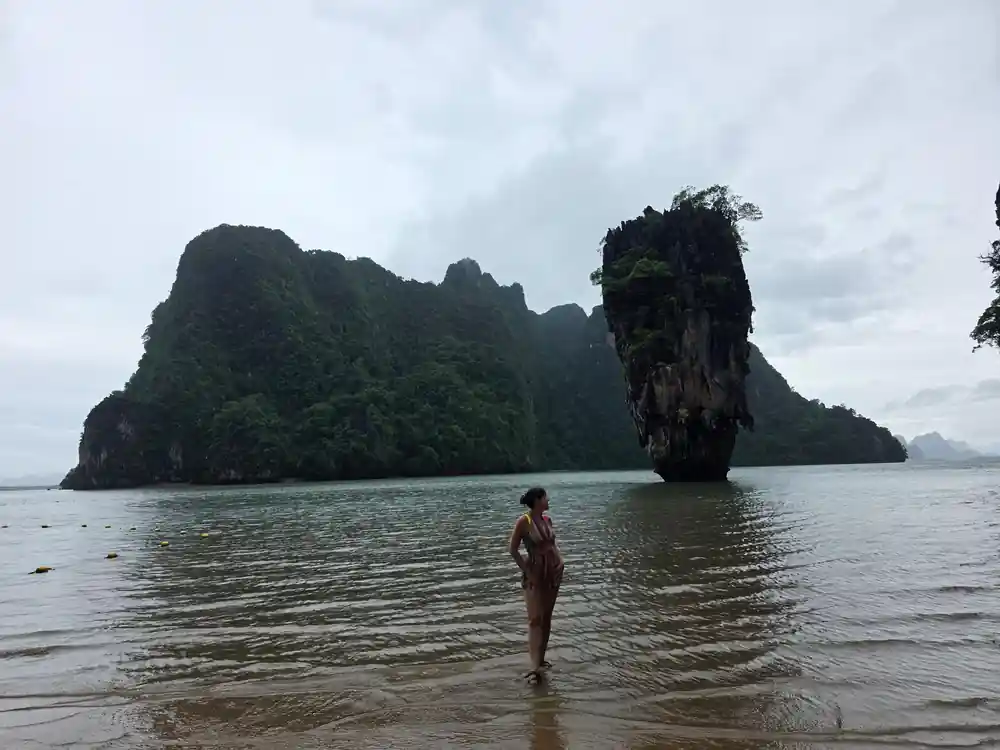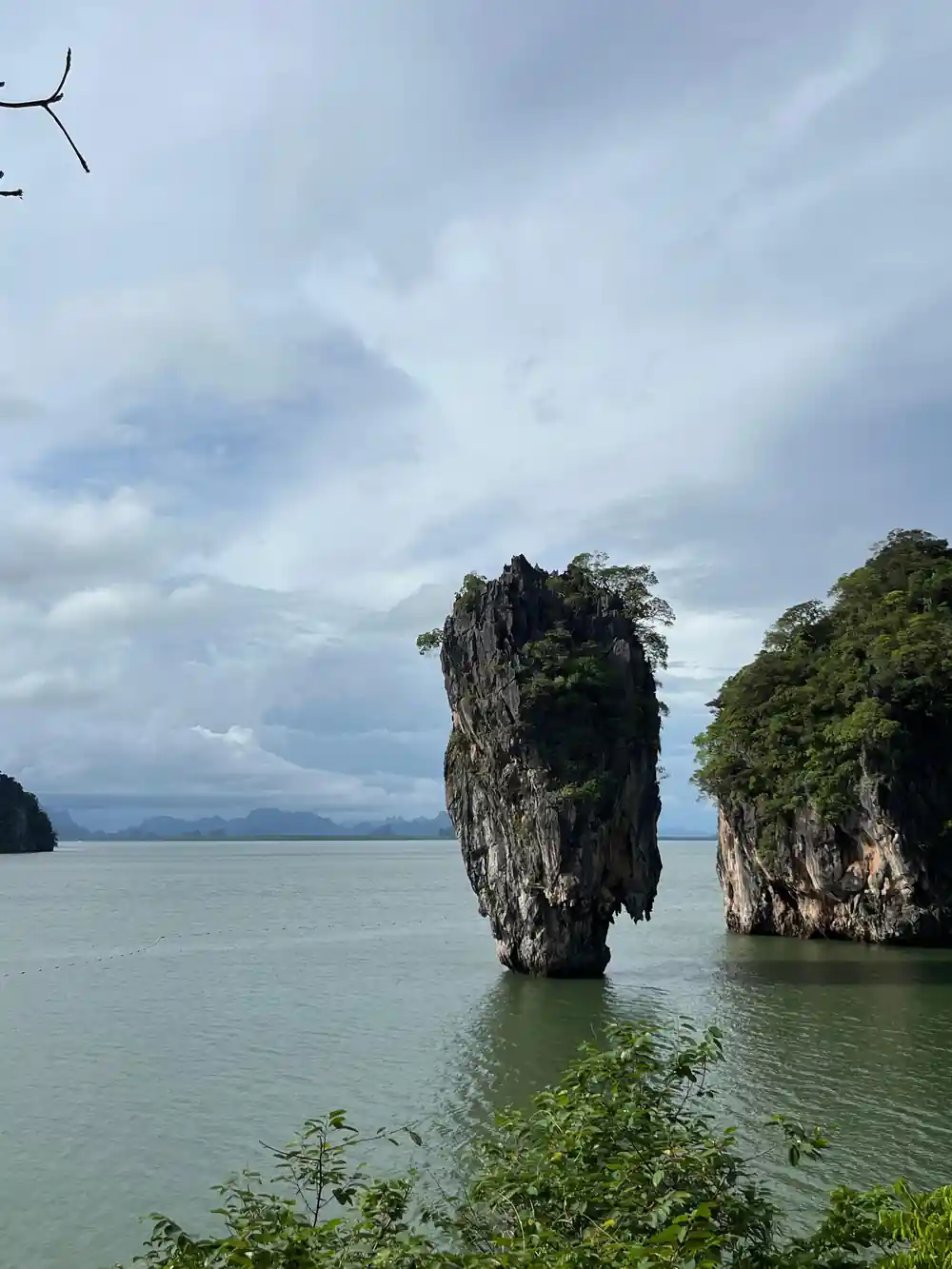
At a glance
- Afternoon paddling on open water means intense UV. Bring high-SPF sunscreen, reapply often, and wear a hat or rashguard to protect exposed skin.
- Box jellyfish and sea nettles occur in Phang Nga Bay. Wear a wetsuit or protective clothing when swimming. Safety equipment is provided on the speedboat.
- Bioluminescent plankton swims are supervised. The crew briefs swimmers on conditions, currents, and safe entry and exit points before dark water immersion.
- Tidal flow inside hongs and lagoons can be strong. Guides navigate sea canoes with this in mind. Ask your guide to explain local patterns before paddling.
- The speedboat carries life jackets, first aid supplies, and communication equipment. Crew are trained in emergency response for the crossing to Phang Nga Bay.
UV exposure during afternoon speedboat crossing
The speedboat journey from Phuket Boat Lagoon to Phang Nga Bay takes place during peak daylight hours, when UV intensity in southern Thailand reaches 11 to 12 on the UV index. This classification means sunburn can develop in under 15 minutes on exposed skin. The open deck of the speedboat offers minimal shade, and reflection off the Andaman Sea amplifies UV radiation. Even on overcast days, harmful rays penetrate cloud cover and reach your skin.
Apply broad-spectrum sunscreen with SPF 50 or higher at least 15 minutes before boarding, and reapply every two hours or immediately after entering the water. Wear a wide-brimmed hat, UV-blocking sunglasses, and consider a lightweight long-sleeved rash guard. The afternoon paddling phase in your sea canoe compounds exposure, as you sit low in the boat with water reflecting sunlight upward onto your face and shoulders. Dehydration accelerates heat stress, so drink water regularly throughout the 8-hour tour even if you do not feel thirsty.
Jellyfish and stinging marine life in Phang Nga
Jellyfish inhabit Phang Nga Bay year-round, though their abundance and depth vary seasonally. The most common species are moon jellyfish, which have mild stings, and box jellyfish, which can cause severe pain and require immediate medical attention. Between June and October, rainfall and plankton blooms sometimes increase jellyfish populations in shallow lagoons. Your guide will assess conditions and advise whether swimming or wading is safe on the day of your tour.
Other stinging creatures include sea anemones attached to rocks in the hongs and occasional sea urchins on shallow seabeds. Wear a full-body rashguard or wetsuit as a physical barrier, and avoid touching rock formations or disturbing the seabed with your hands. If stung, exit the water calmly, rinse the area with vinegar if available, and remove tentacles with a card edge rather than bare fingers. The tour includes safety equipment, and your guide carries a first aid kit and can radio for medical assistance if needed. Severe reactions are rare but require prompt evacuation to a clinic in Phuket town, roughly 40 minutes by speedboat.
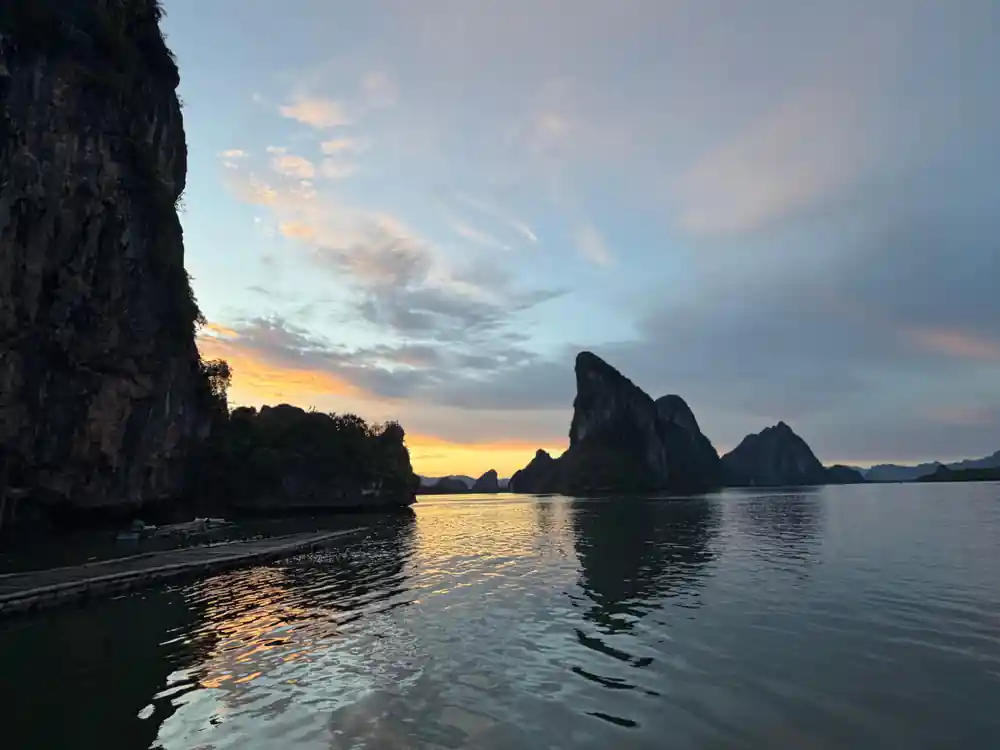
Protected waters and safety gear ready on deck
Currents and tidal flows inside limestone lagoons
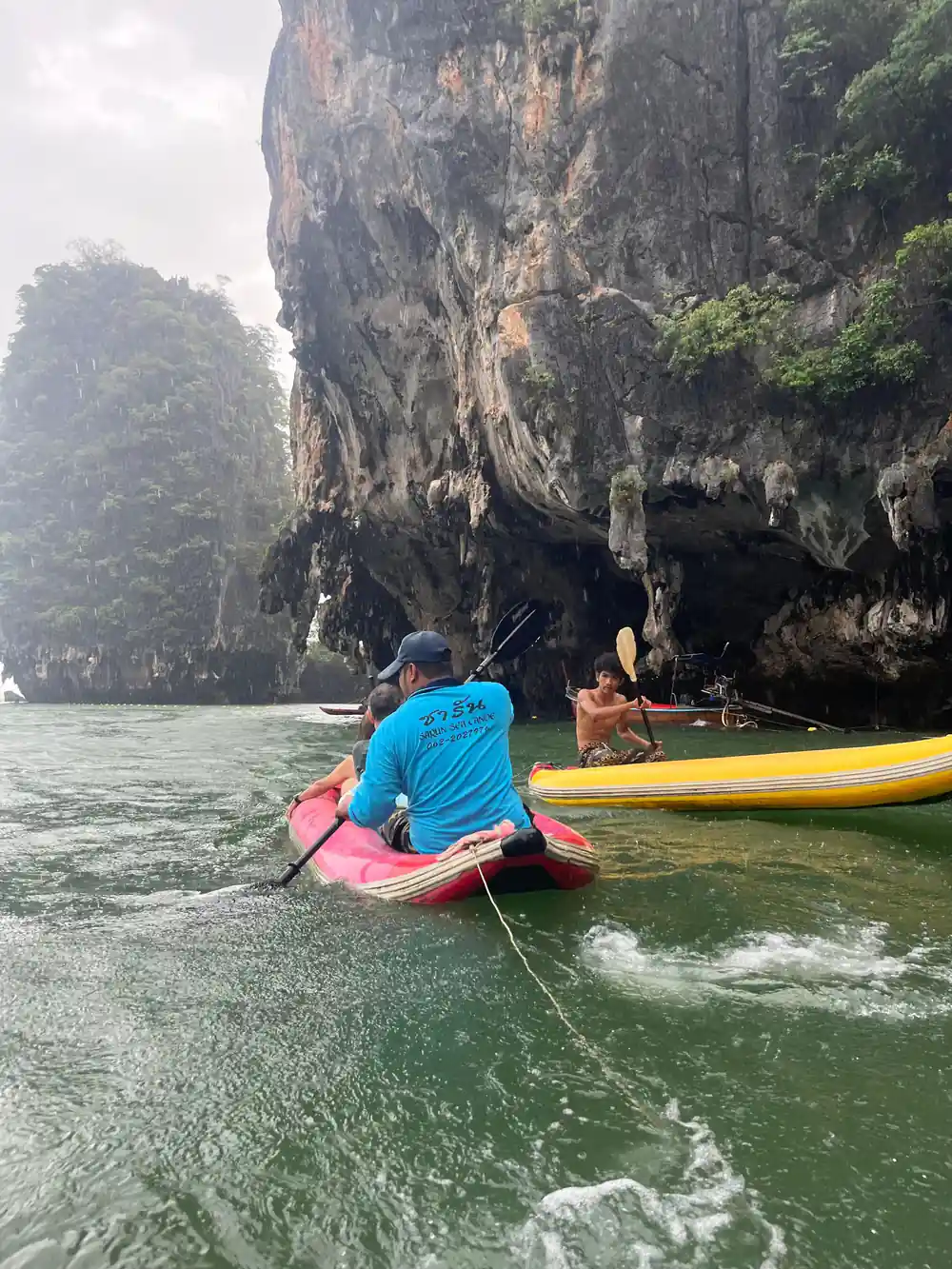
The hongs (enclosed lagoons) of Phang Nga Bay are shaped by tidal movement twice daily. Incoming tides flow through narrow openings at speeds of 0.5 to 1.5 knots, while outgoing tides reverse direction. Sea canoes are stable in these currents because they are shallow-draft and light, but strong tidal flows can make paddling harder in one direction and easier in the opposite. Tidal timing affects your route and paddling difficulty; a tour scheduled during slack tide (the brief period between incoming and outgoing) offers calmer water, while tours at peak tidal flow require more effort.
Within Ko Hong and Panak Island's lagoons, localized currents form where water funnels through narrow channels. These currents rarely exceed 1 knot but can push an inexperienced paddler off course. Your guide will position the group and time entry to the hongs when currents are manageable. Never paddle against a strong incoming or outgoing current; instead, wait for slack tide or let the current assist your movement. The speedboat captains are trained to recognize dangerous tidal conditions and will adjust the itinerary if necessary to keep all passengers safe.
Seasickness on the speedboat crossing
Phang Nga Bay's waters can be choppy, especially during the southwest monsoon (May to October) or if strong winds blow across the Andaman Sea. The speedboat crossing from Phuket to the bay takes approximately 45 minutes and involves motion that triggers nausea in sensitive passengers. Waves of 0.5 to 1.5 meters are typical; larger swells occur during monsoon season. Seated passengers near the center and back of the boat experience less motion than those at the bow.
Prevent or reduce seasickness by taking medication 30 minutes before departure; common options include meclizine or dimenhydrinate available at pharmacies in Phuket. Eat a light breakfast, avoid greasy food, and stay hydrated with water or ginger tea. Focus on the horizon rather than the boat's movement, and stay in fresh air on deck rather than below. If you feel nauseous, inform your guide or a crew member immediately. They can provide a bag and offer fresh water or ginger, which many passengers find soothing. Severe seasickness is uncommon because the crossing is relatively short, and the slower pace of sea canoe paddling does not trigger further nausea.
8
Speedboats carry safety equipment for 8-hour passages across open water and through narrow lagoons.
Night water safety during bioluminescent plankton viewing
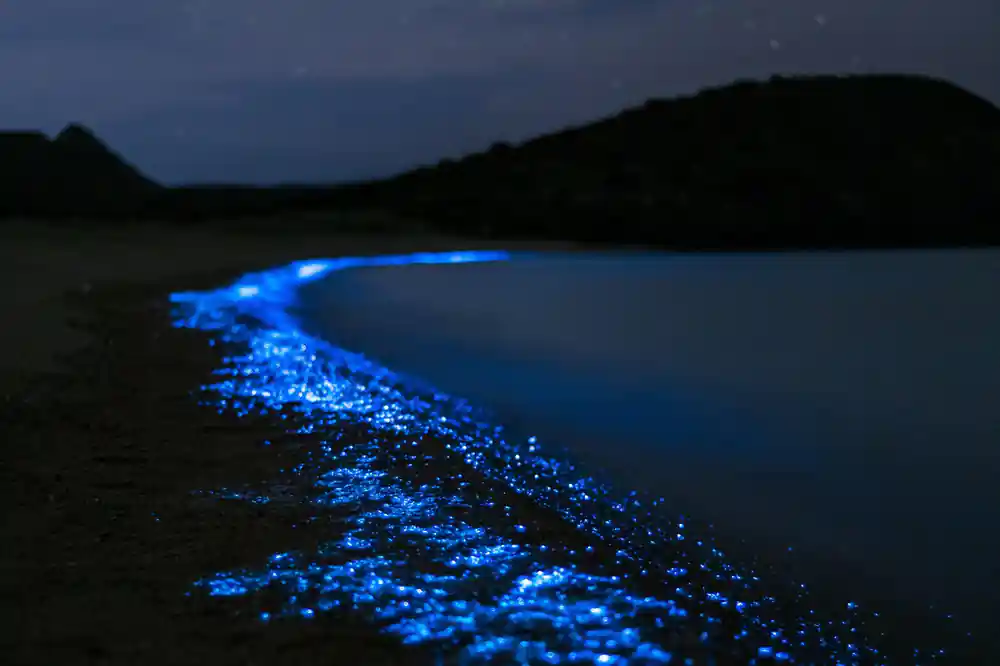
Swimming in darkness to observe bioluminescent plankton presents unique risks because you cannot see obstacles, marine life, or other swimmers clearly. The tour operates after sunset when plankton emit light (dinoflagellates glow blue when disturbed), but ambient light is minimal. Water temperature in Phang Nga Bay ranges from 27 to 30 degrees Celsius year-round, so hypothermia is unlikely, but disorientation is possible if you swim far from the boat. The night water is typically 5 to 15 meters deep in swimming areas; deeper channels lie beyond designated zones.
Always stay within sight of the boat and your guide's designated swimming area. Wear a headlamp or waterproof light clip if you bring one, and wear your life jacket or buoyancy aid even though you are a strong swimmer. The speedboat remains anchored and illuminated, serving as a clear reference point. Do not swim alone, and signal the guide if you feel uncomfortable. Bioluminescent plankton glow brighter when agitated, so your movements in the water will create glowing trails and pulses. Stinging creatures are present but less active at night; your rashguard or wetsuit continues to protect you. If a large swell arrives or conditions change, the guide will call swimmers back to the boat immediately.
Safety equipment and speedboat procedures
The speedboat carries a marine safety kit including life jackets for all passengers, first aid supplies, a radio for emergency communication, and flares. Life jackets must be worn during the speedboat crossing and are strongly recommended during night water swimming, though not mandatory in calm lagoon paddling. The boat's radio connects to Thai coast guard stations and Phuket harbor authorities; emergency response time to Phang Nga Bay is typically 20 to 30 minutes. All crew members are trained in basic first aid and CPR.
Before departure, the crew conducts a safety briefing covering life jacket use, assembly points, and emergency procedures. Listen carefully, ask questions, and know where the emergency exits and communication devices are located. The boat operates under Thai maritime regulations and is inspected annually. If mechanical failure occurs (rare), the vessel can drift safely or be towed by other boats in the area; Phang Nga Bay has consistent boat traffic. The tour includes travel insurance, which covers medical evacuation by speedboat to Phuket International Hospital if a serious injury occurs. In the unlikely event of capsize or sinking, the boat's design and flotation make complete submersion extremely unlikely.
Tsunami warning systems and coastal safety protocols
Thailand's Tsunami Warning Center monitors seismic activity throughout the Indian Ocean using a network of buoys and seismograph stations. If a significant underwater earthquake occurs, an alert is issued and broadcast to coastal areas, ports, and tour operators via SMS, sirens, and media. The 2004 tsunami that struck Phang Nga Bay killed thousands, but infrastructure and procedures have been overhauled since then. Warning times now range from 15 to 30 minutes depending on earthquake epicenter distance.
During your tour, the speedboat crew monitors weather and official alerts continuously. If a warning is issued, boats return to port or move to designated safe zones away from shore. Sea canoe groups in lagoons are moved to higher ground within the enclosed hongs, which are naturally protected from open ocean swells. Historical data shows no major tsunamis have struck Thailand since 2004; the risk today is very low but managed seriously. Your guide and crew are trained in evacuation procedures and will communicate clearly if any threat develops. The tour runs into the night by design, so the crew rely on the official warning network rather than on anything visible from the water.
Ready to paddle through bioluminescence?
from US$89Reserve now & pay later
What's Provided
- Safety equipment
- Multilingual guide
- Drinks and water
- Thai dinner included
Conditions to Know
- Tour duration8 hours
- Water stops5 locations
- Afternoon UV exposureHigh; bring sunscreen
- Night swimmingSpeedboat carries full safety kit