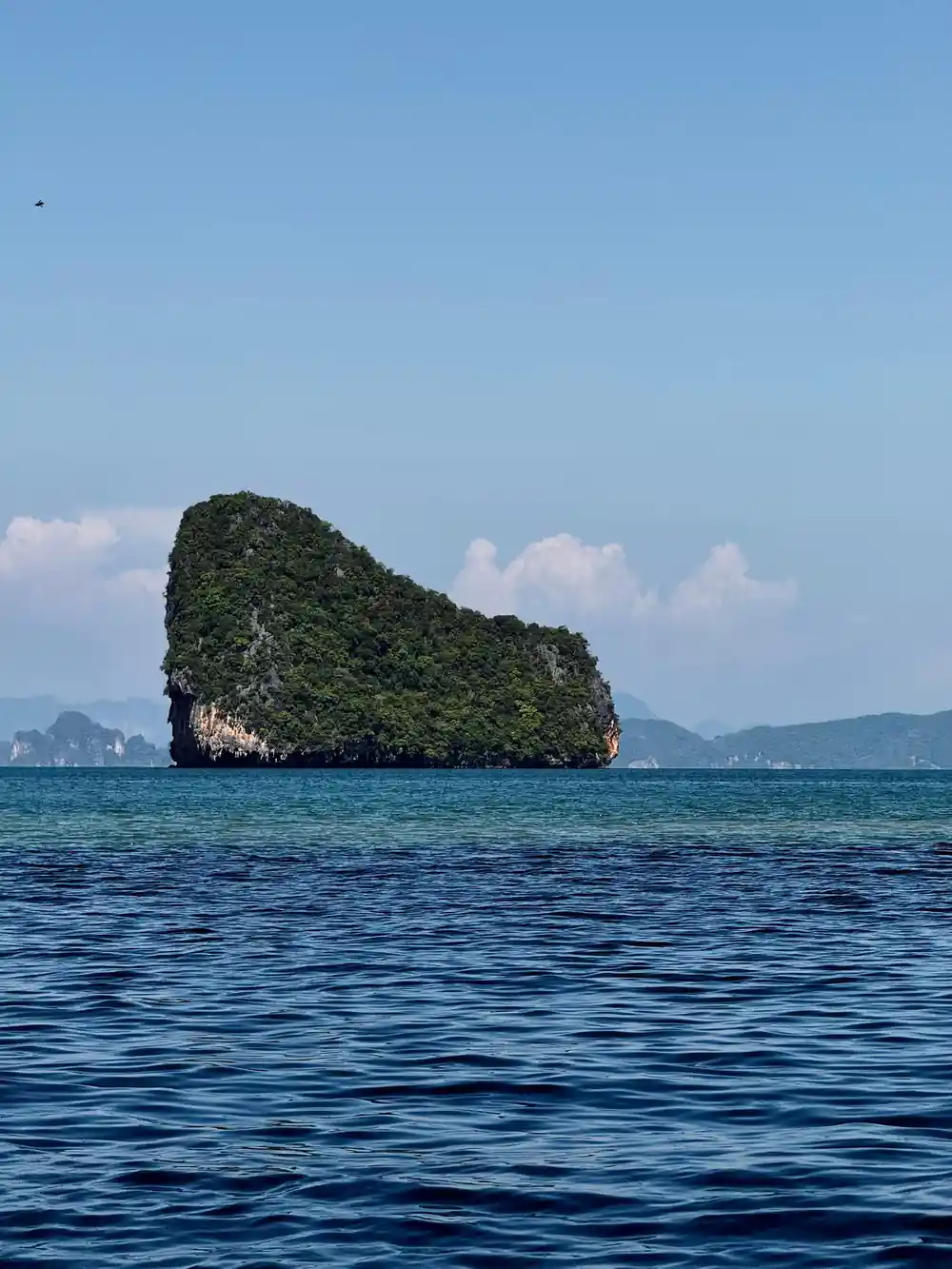
At a glance
- Phang Nga Bay formed from ancient reef limestone, uplifted over millions of years. Rain and seawater carved it hollow, creating the hongs and caves you explore today.
- How deep is Phang Nga Bay? Shallow enough for sea canoes to navigate cave mouths at high tide, yet deep enough to hold mystery in its limestone chambers.
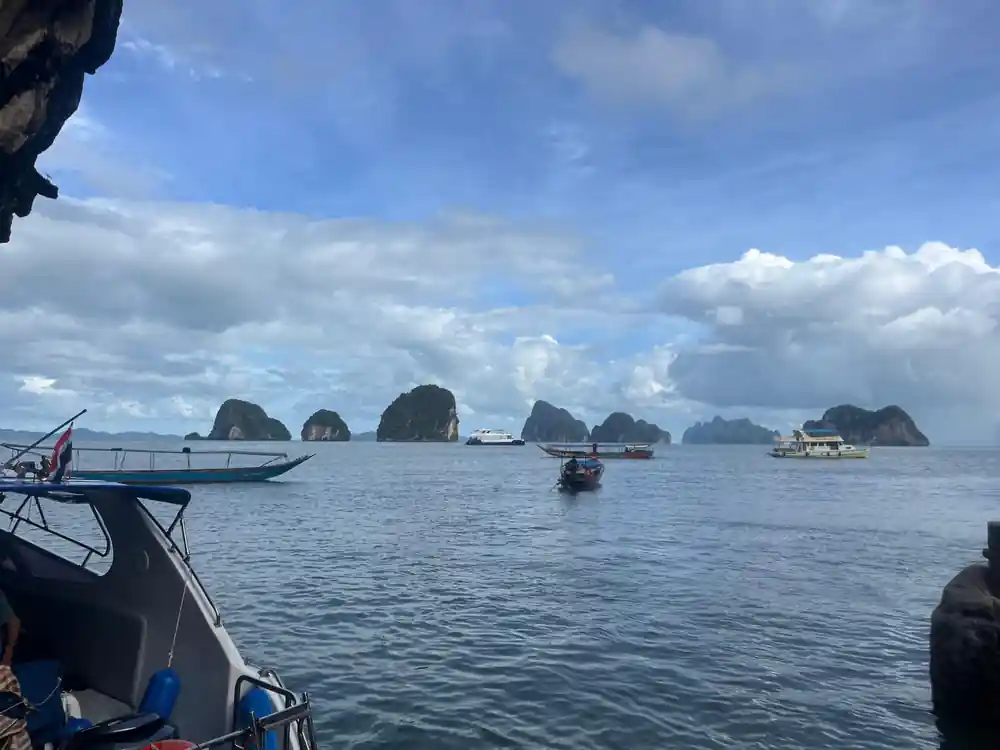
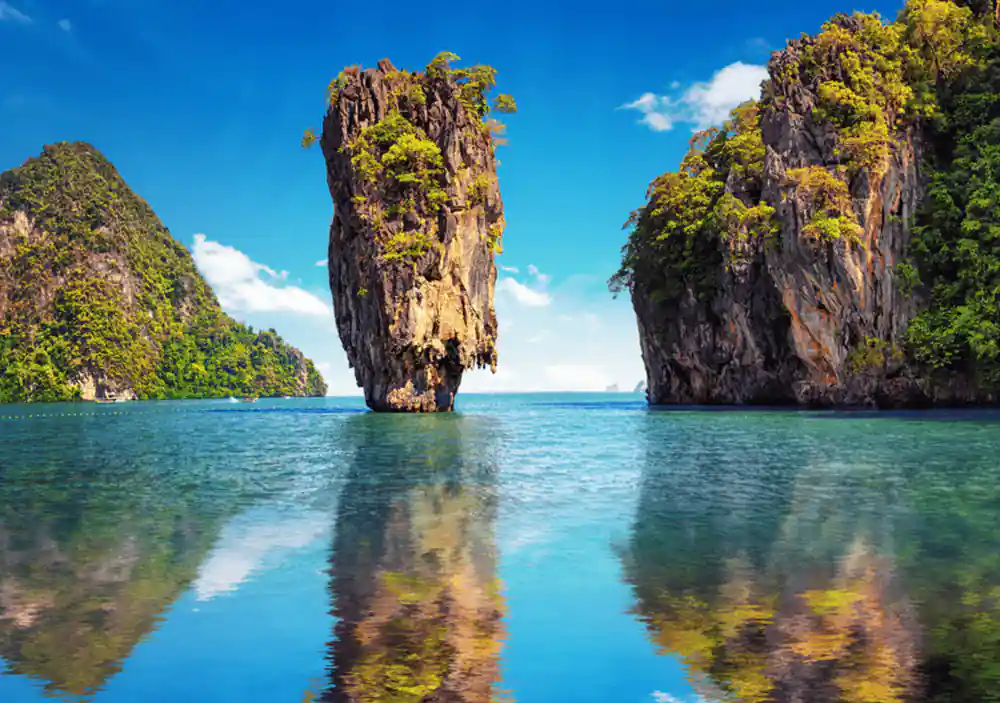
- Dramatic limestone peaks rise from the bay, shaped by tidal forces and erosion over millennia. Each tower tells the story of how Phang Nga Bay was formed.
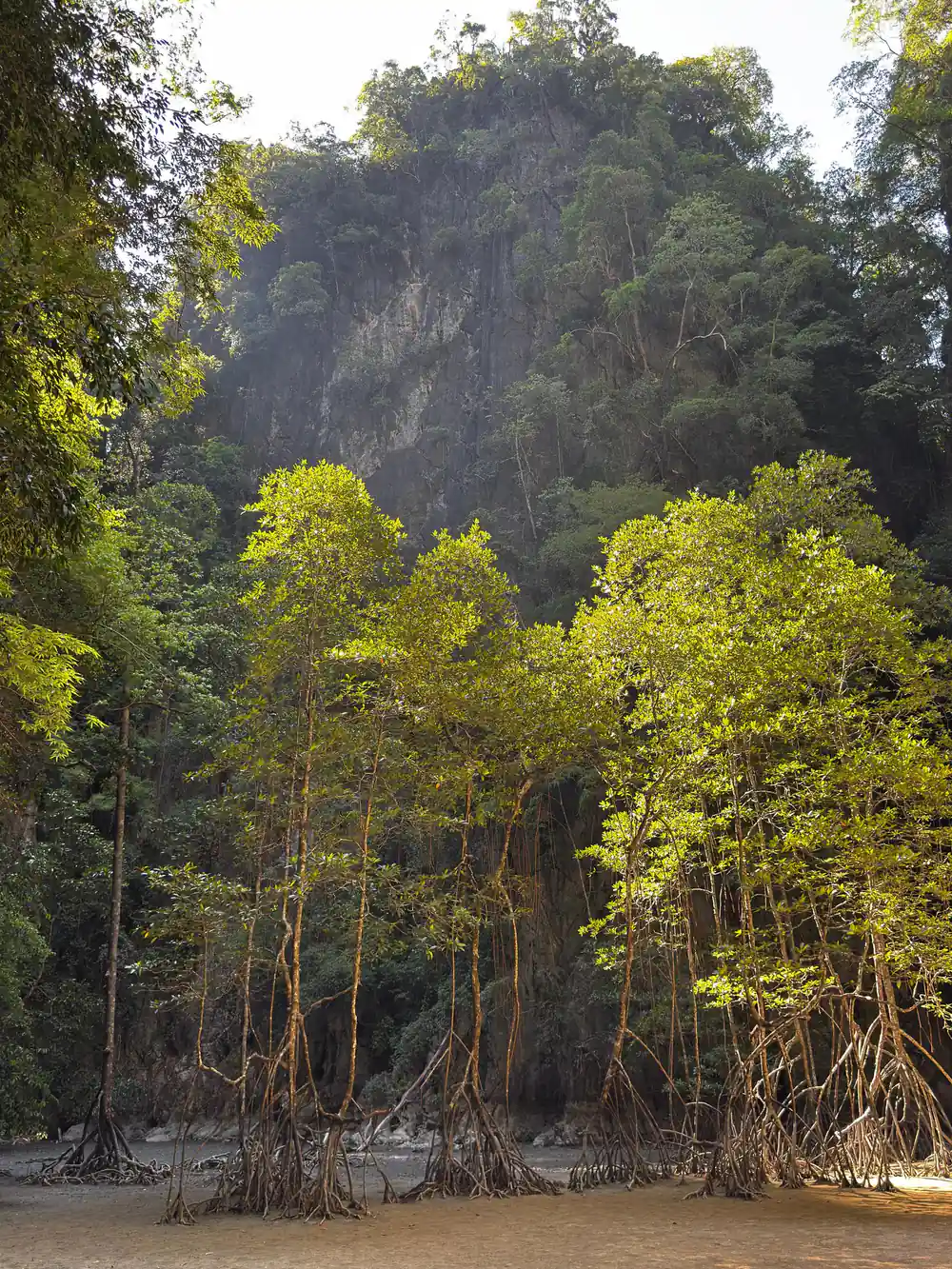
- Monkeys, wading birds and mudskippers thrive in the bay's intricate ecosystem, adapted to mangrove roots and tidal rhythms within the protected national park.
- Prehistoric cave paintings discovered within Phuket's bay reveal that humans have witnessed these limestone wonders for thousands of years.
What Is a Hong and How Does It Form
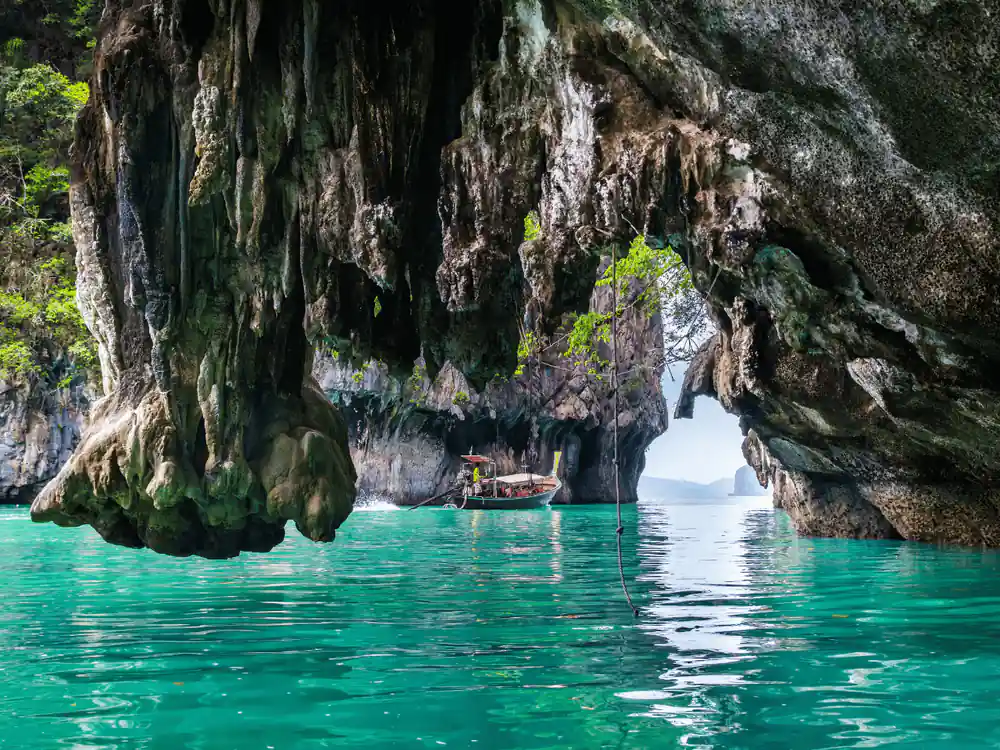
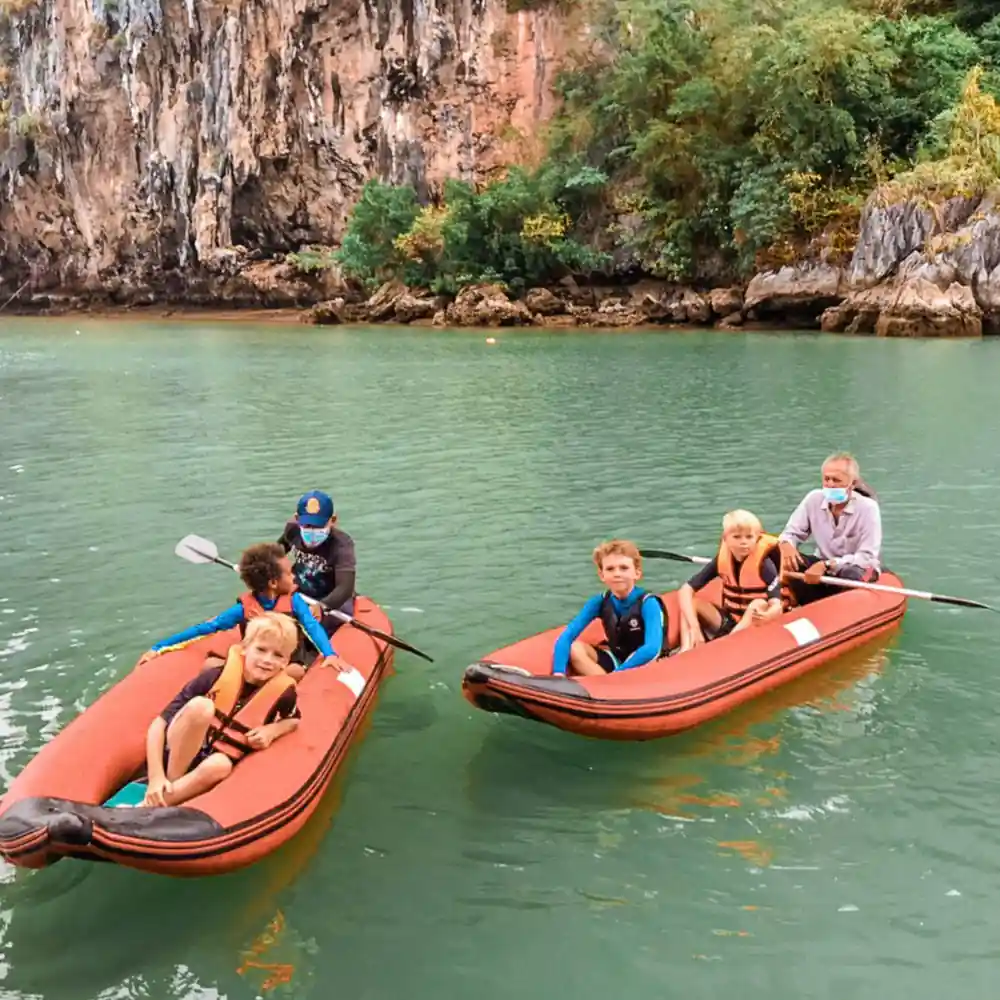
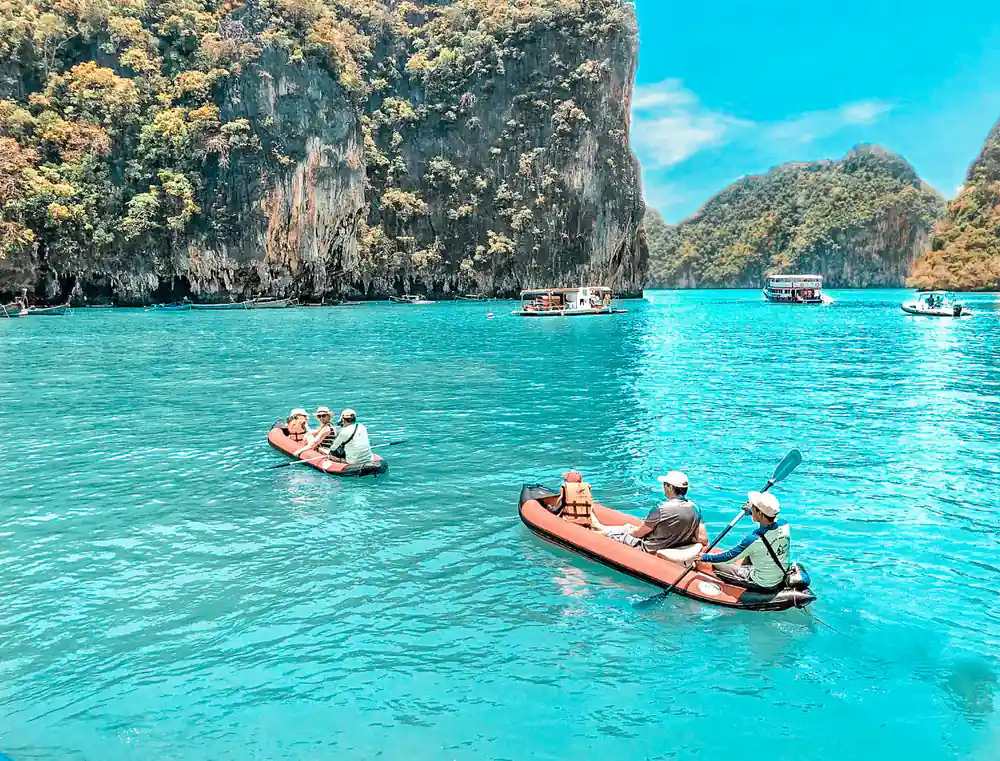
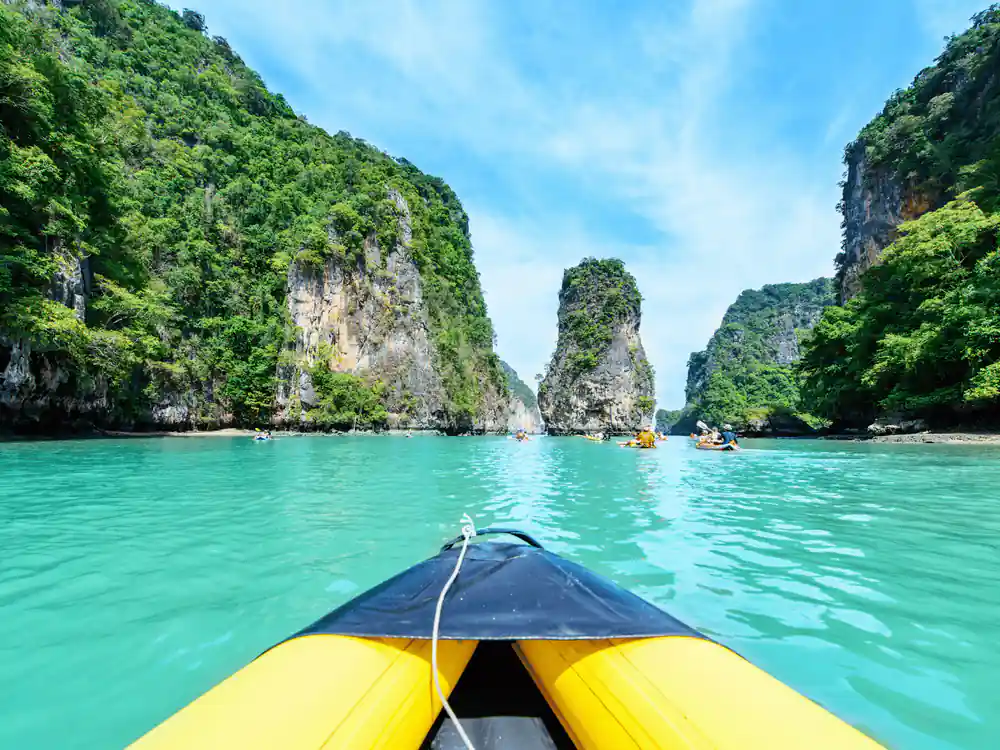
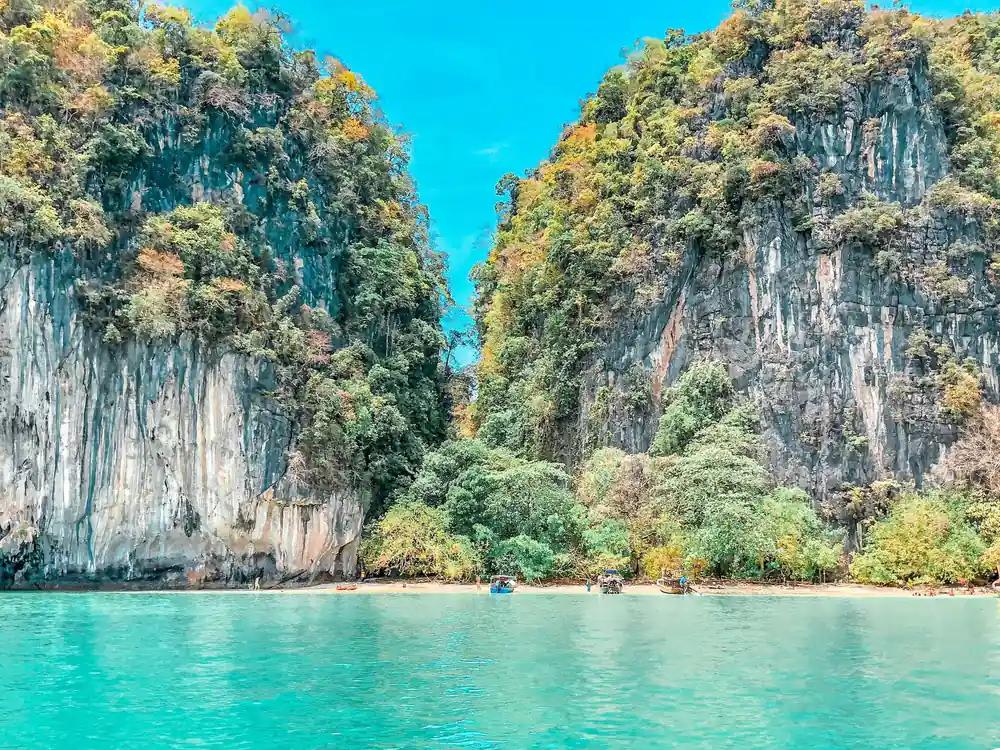
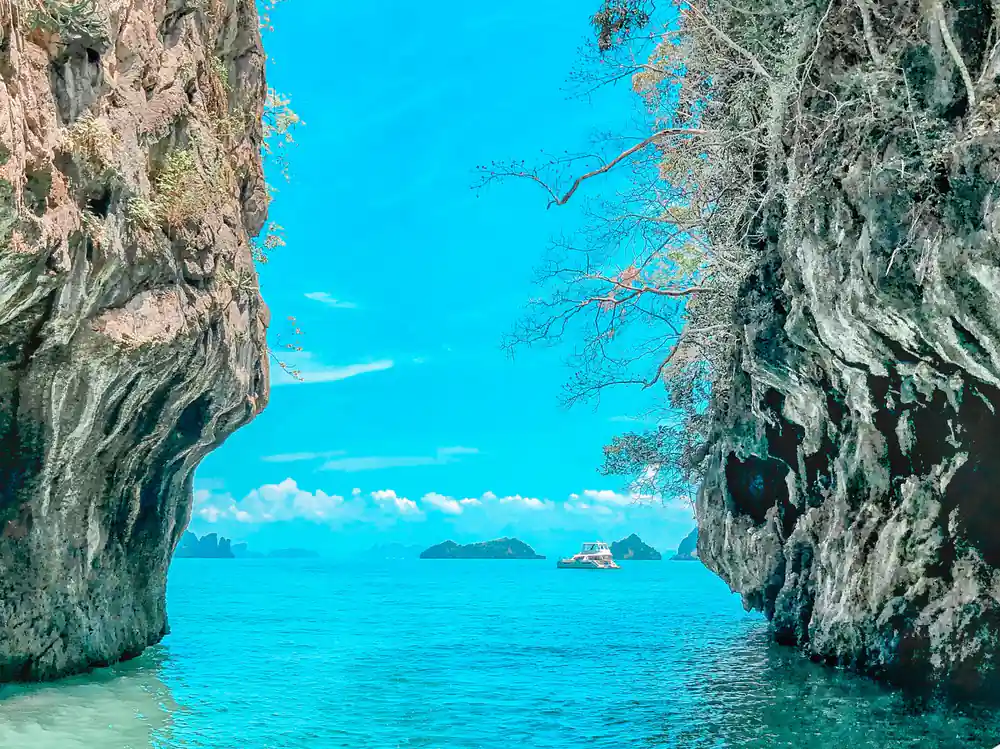
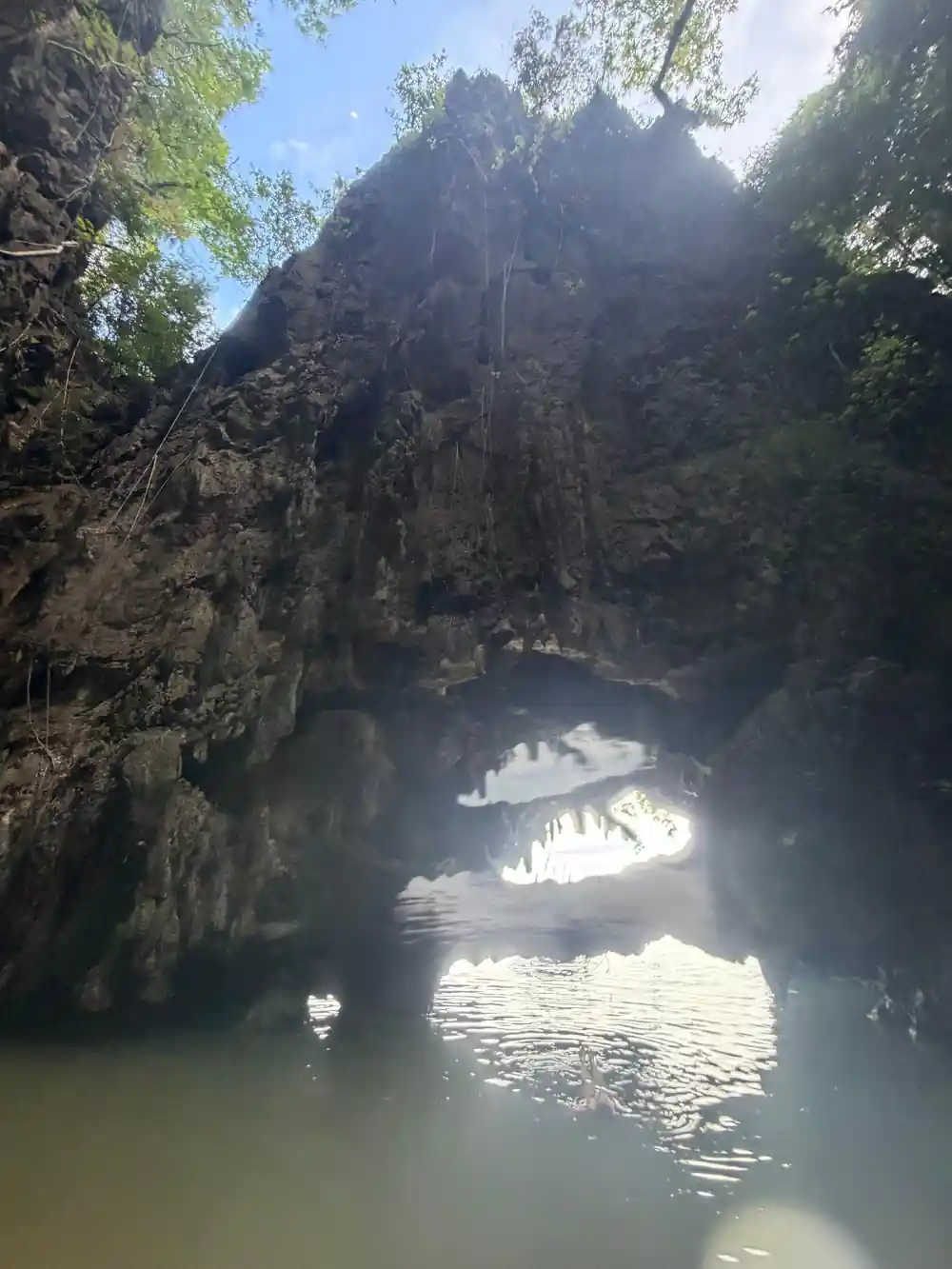
A hong is a hidden lagoon enclosed by limestone cliffs, accessible only by sea canoe through a narrow tunnel entrance. These geological wonders form when the roof of a sea cave collapses over thousands of years, leaving the inner chamber intact while opening a passage to the water. The collapse happens gradually as freshwater seeps through cracks in the limestone, dissolving the mineral matrix from within. Once the roof gives way, tidal action and wave erosion widen the opening just enough for a canoe to slip through. Inside, you'll find a pristine lagoon surrounded by vertical rock walls, often with sandy beaches and untouched mangrove forests. Ko Hong, whose name means 'room' in Thai, is the most famous example on your 8-hour tour and showcases this formation perfectly.
The hong environment creates its own microclimate, with fresh groundwater mixing with seawater and supporting unique plant and animal communities. Many hongs have remained virtually unchanged for centuries, preserved by their isolation. As you paddle through the entrance tunnel during your tour, you'll witness how the limestone has been smoothed and sculpted by countless tides. The walls often display layers of different mineral deposits, telling the story of millions of years of geological processes. Some hongs are so well hidden that locals didn't discover them until recent decades.
The Ancient Karst Towers and Their Geological Age
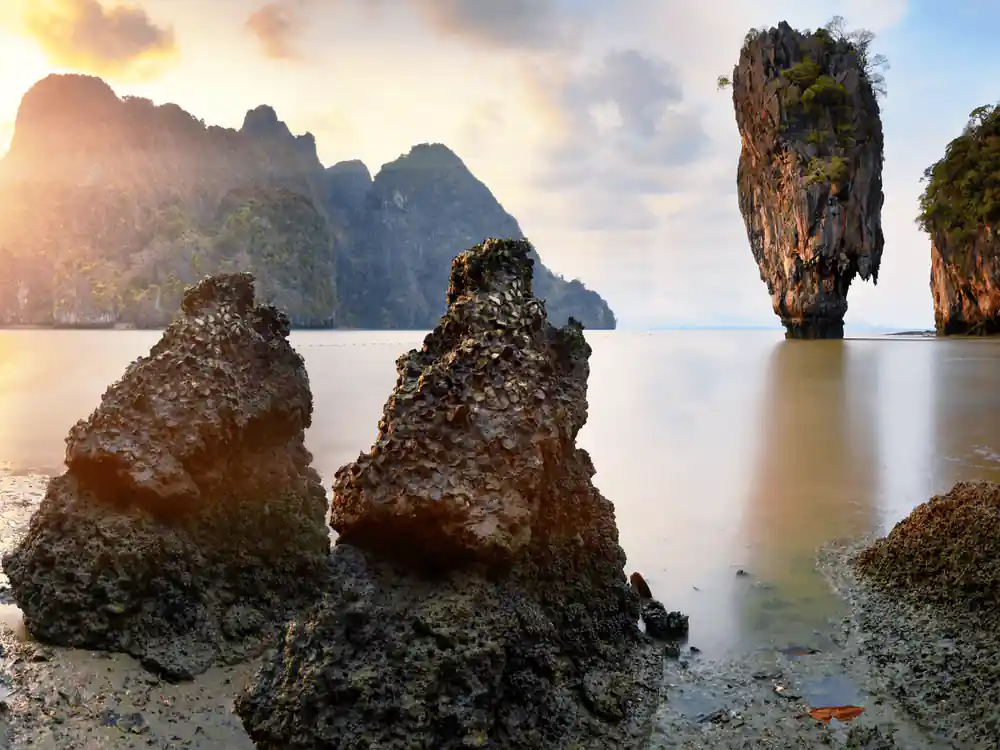
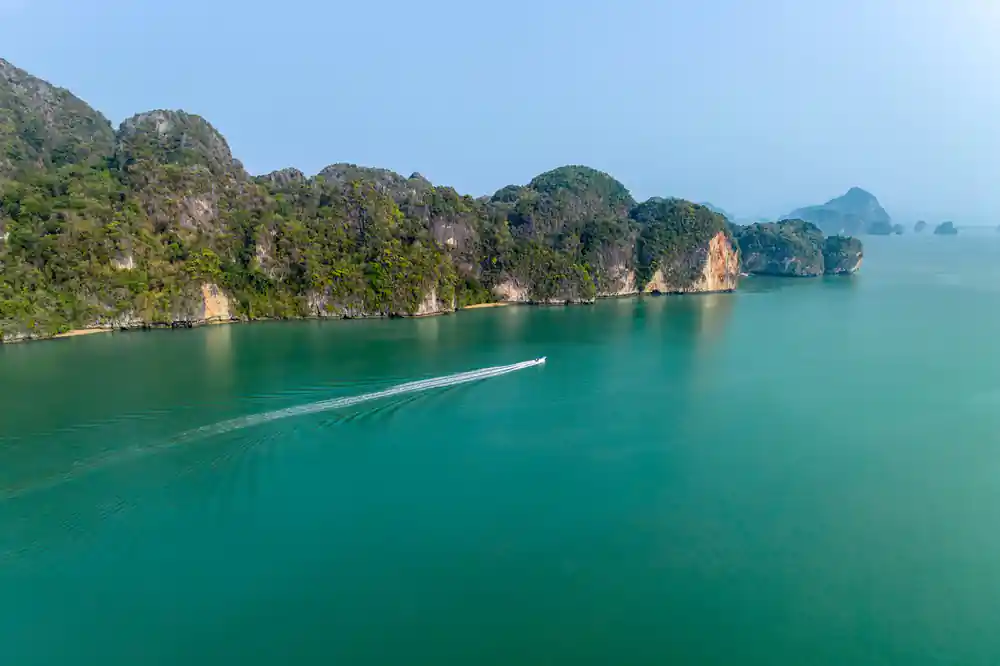
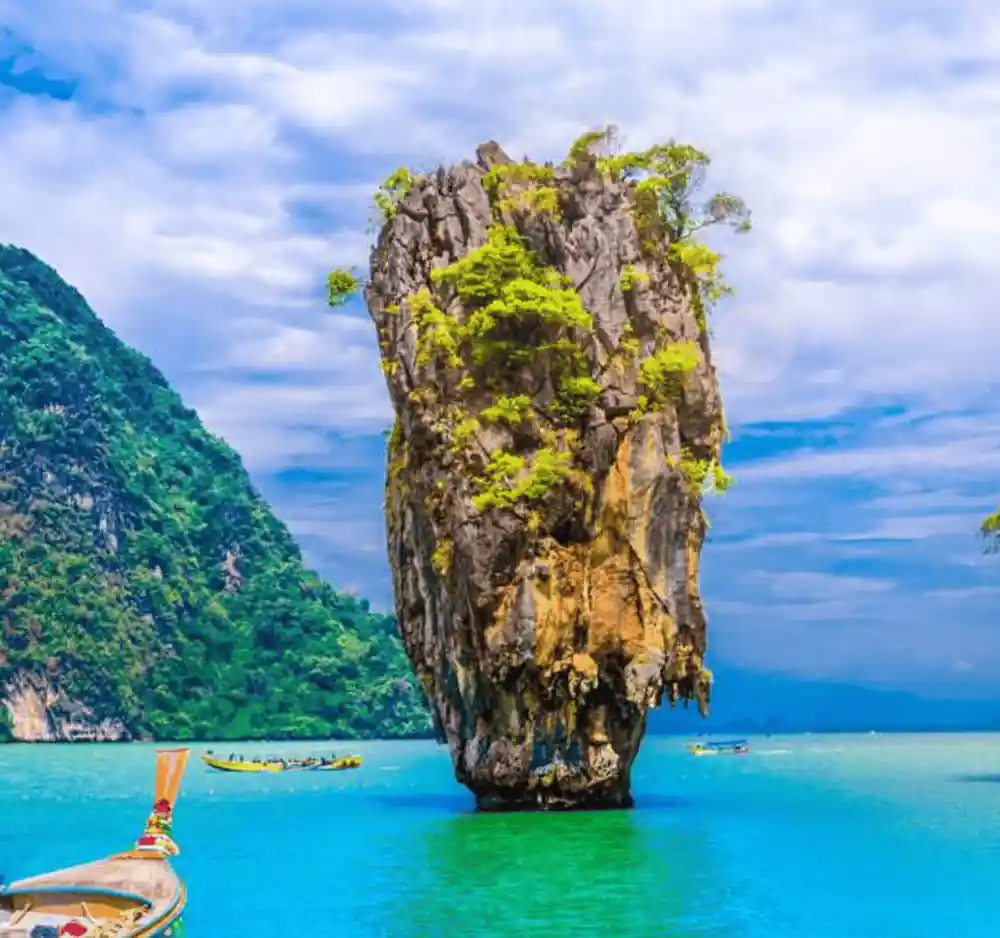
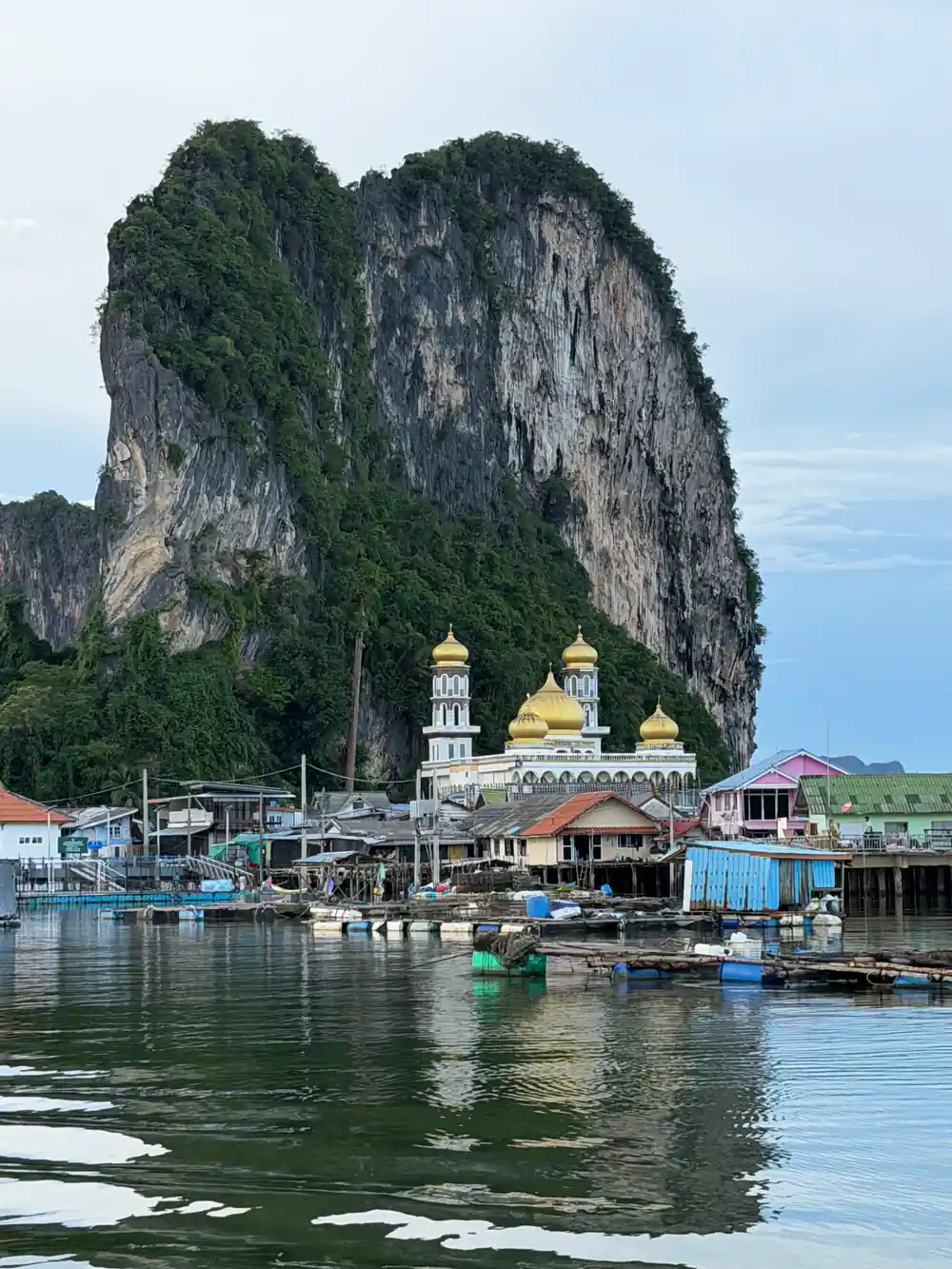
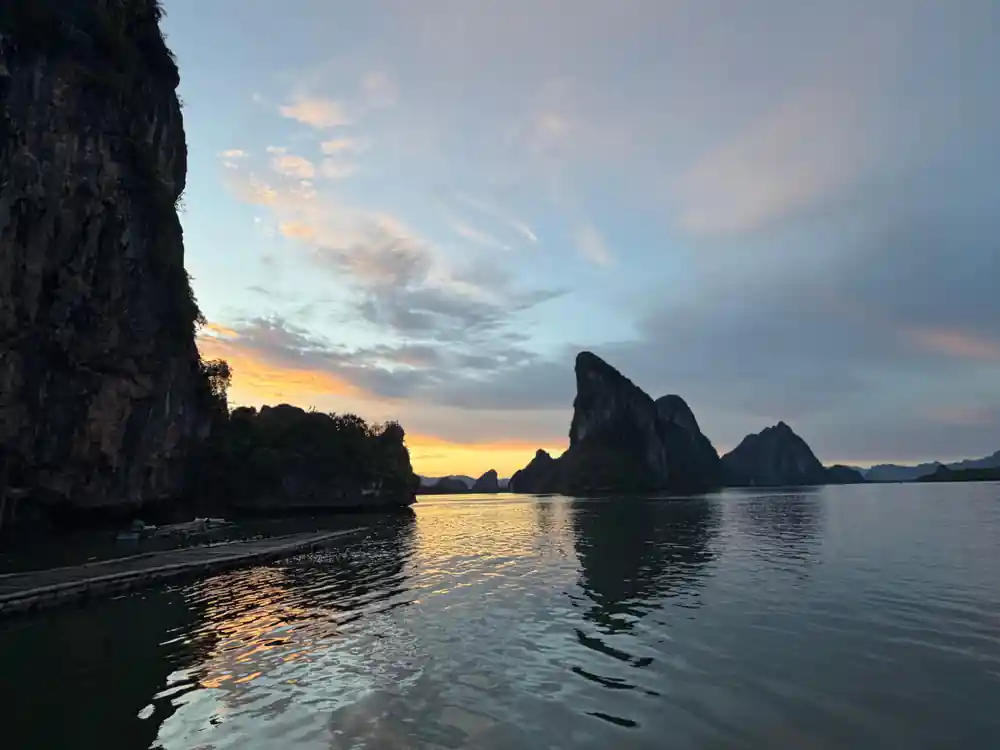
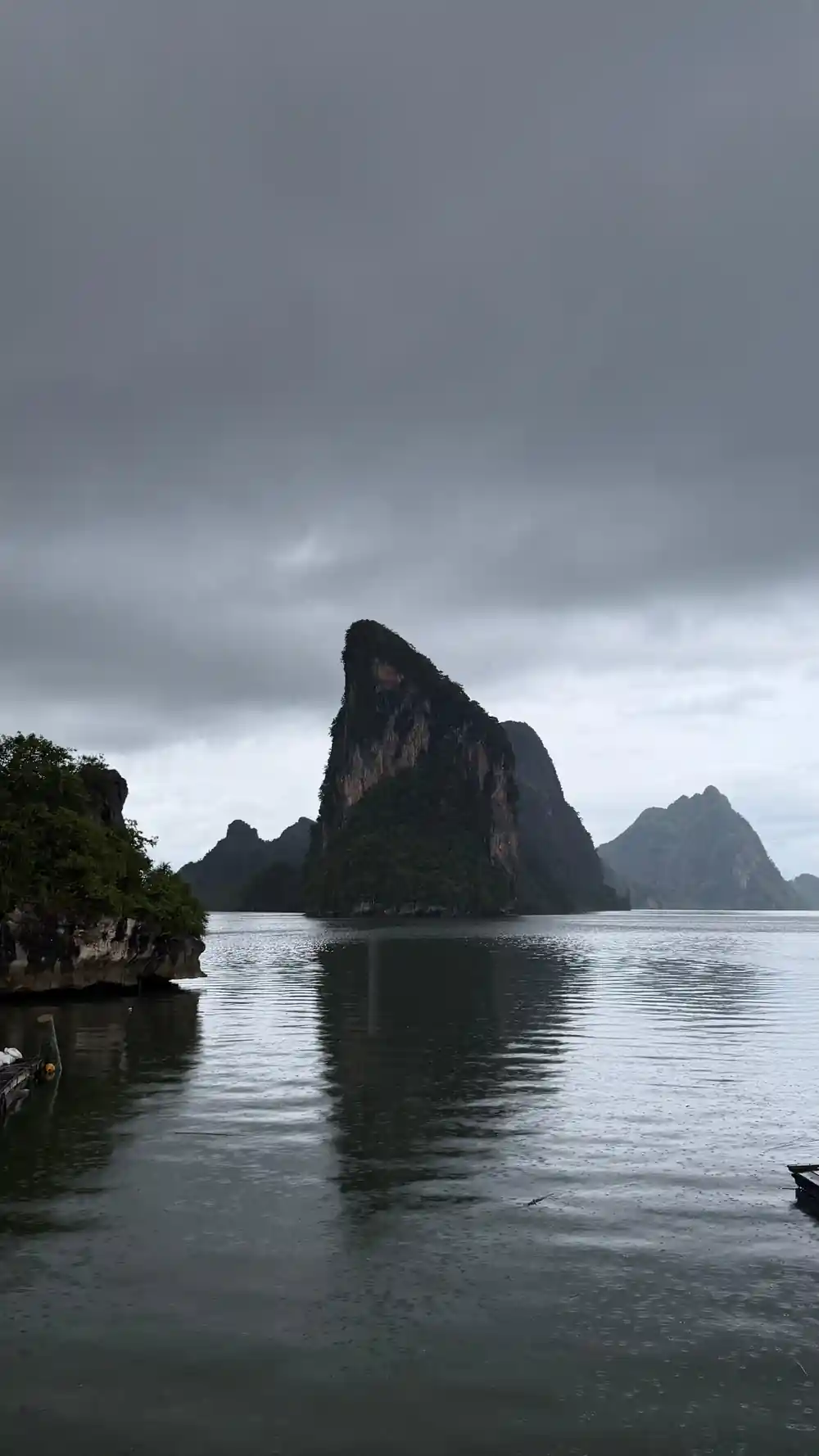
The Phang Nga Bay limestone karsts that dominate the landscape began as seabed between 250 and 300 million years ago, in the Permian period. These towering formations were created when calcium-rich marine organisms died and accumulated on the ocean floor, eventually compressing into solid limestone. Over millions of years, tectonic activity pushed this seabed upward, exposing it to air and beginning the dramatic erosion process that shaped today's landscape. The karsts you see during your speedboat journey are what remains after softer surrounding rock dissolved away, leaving behind these resilient towers standing up to about 300 metres tall in some locations.
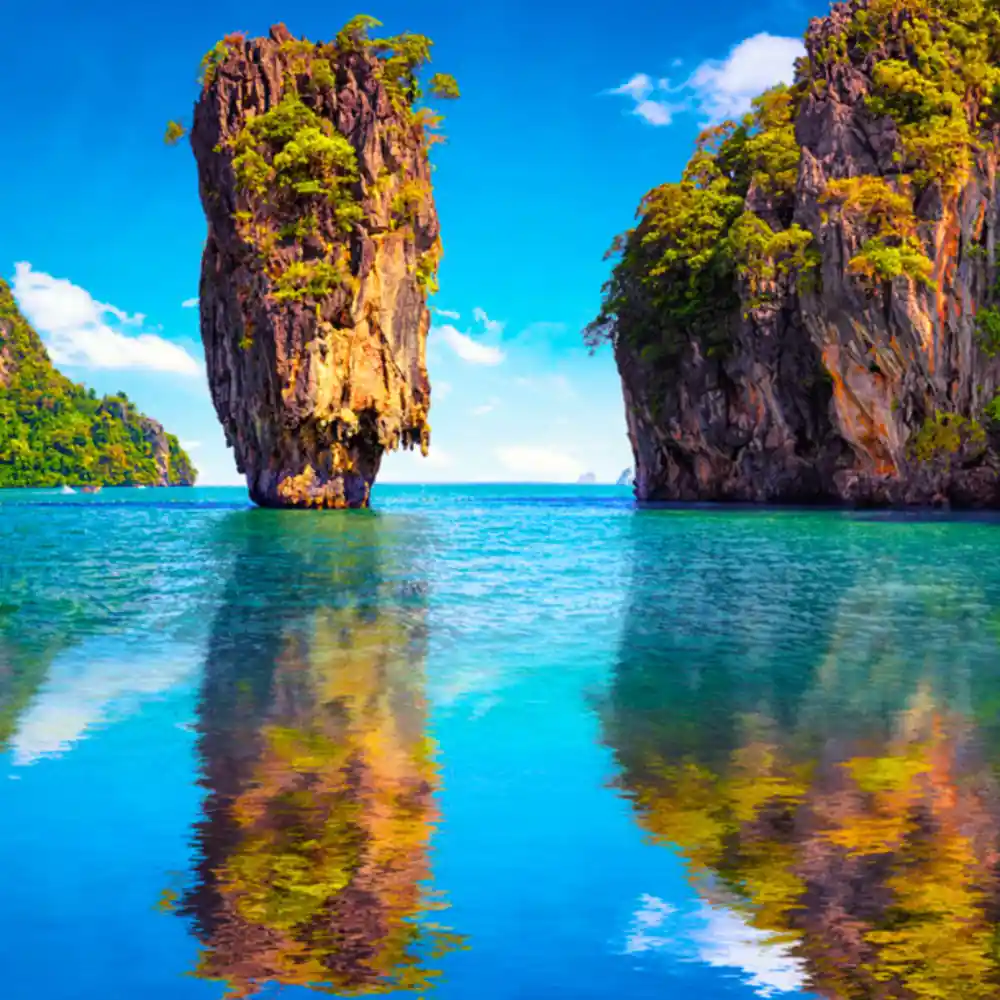
The distinctive steep-sided formations result from the selective erosion of limestone by fresh groundwater, which is slightly acidic and dissolves the rock along weak points and fractures. This process continues today, though almost imperceptibly. The karsts' age means they've survived countless monsoons, earthquakes, and sea-level changes, making them among Southeast Asia's most stable geological features. James Bond Island, officially named Khao Phing Kan, is one of the most photogenic examples and formed through this exact process of selective erosion over millions of years.







Why Tides Control Access to Phang Nga Bay Caves
Entering the Phang nga bay caves requires precise timing because tidal fluctuations can raise and lower water levels by up to 2.5 meters in Phang Nga Bay. Many cave entrances sit just above the waterline at high tide, while at low tide they're completely submerged or unreachable. Your guide will plan the tour schedule around these tidal windows, ensuring your sea canoe can navigate through narrow passages without scraping rock overhead. The spring tides, which occur around the new and full moon, create the most extreme variations, sometimes blocking access to certain caves entirely for several days.
Understanding this tidal rhythm was essential for prehistoric peoples who inhabited these caves and left behind paintings and artifacts. Ancient communities developed sophisticated knowledge of the moon phases and tidal patterns to safely access freshwater sources and shelter. Today's tour operators use tide tables and marine forecasts to guarantee your canoes reach each destination safely. The tidal restrictions also help protect the caves by limiting visitor numbers, preserving the delicate ecosystems within. Your tour guide can explain how to recognize tide indicators like wet rock marks and the behavior of small crabs along the waterline.
Life Inside Panak Island's Caves and Mangroves
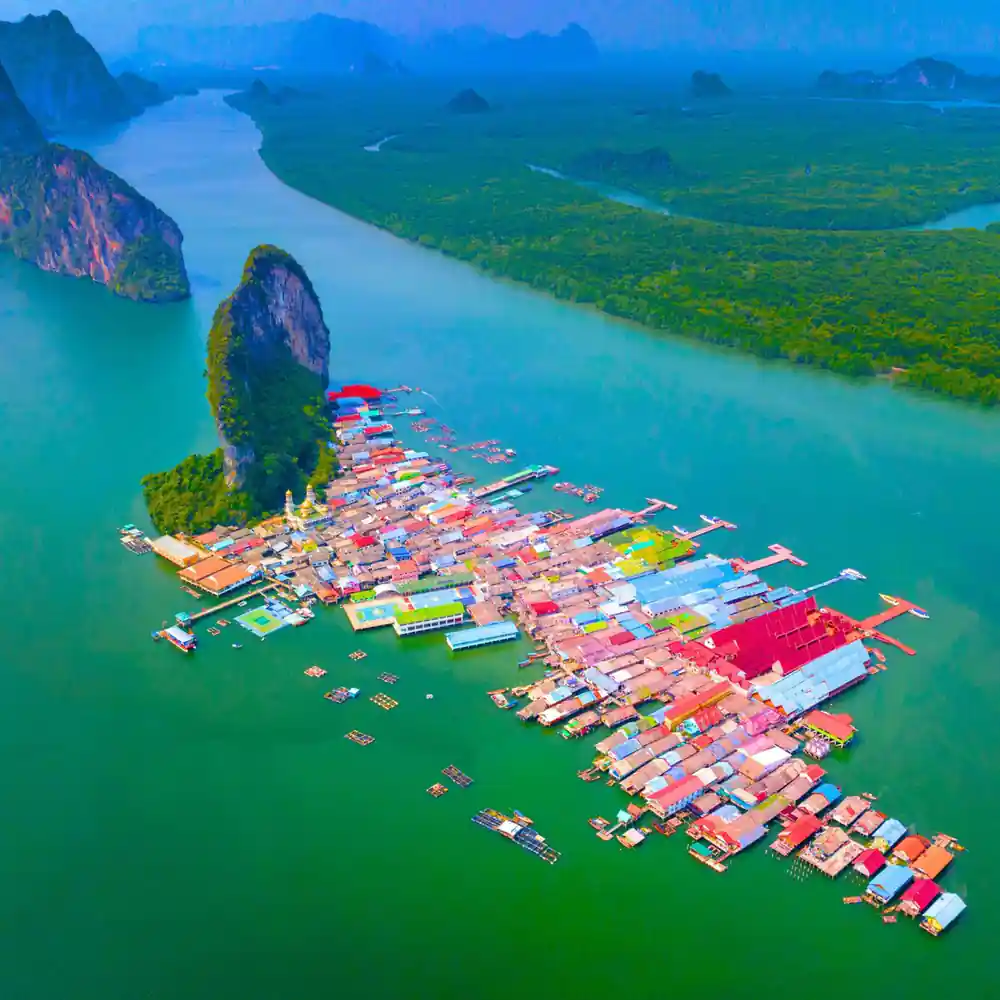
Panak Island is honeycombed with caves that house a surprising array of wildlife, from tiny swiftlets whose nests are harvested for bird's nest soup to bats that navigate in complete darkness. The caves maintain constant cool temperatures and high humidity, creating ideal habitats for species adapted to darkness. Small stalactites and stalagmites decorate some chambers, though Panak's formations tend to be younger and less developed than caves in other regions. Inside the caves, you'll encounter multiple microhabitats: the entrance zone with some light penetration, the twilight zone with minimal visibility, and the complete darkness of the interior chambers. Each zone supports different organisms, from cave fish with no eyes to crustaceans and insects that have evolved to thrive without sunlight.
The surrounding mangrove forests provide crucial nurseries and feeding grounds for fish, crustaceans, and birds that rely on the caves seasonally. Mud-skippers, small fish that can breathe air and 'walk' on their fins, inhabit the shallow brackish waters where fresh and saltwater meet. Herons and kingfishers hunt in these waters, while monitor lizards patrol the muddy banks. The interconnected system of caves, mangroves, and open water creates a complex food web that supports hundreds of species. During your 8-hour tour, your guide will point out specific wildlife and explain the relationships between these creatures and their limestone environment.
300
The limestone karst towers surrounding Phang Nga Bay formed over 300 million years ago, sculpting the bay's dramatic landscape.
Prehistoric Cave Paintings and Archaeological Discoveries
Several caves in the area contain prehistoric paintings dating back 4,000 to 5,000 years, created by early inhabitants who used natural pigments like charcoal and ochre mixed with animal fats. These artworks depict hand stencils, fish, birds, and abstract symbols that suggest sophisticated spiritual or communication practices. The paintings were discovered relatively recently in the 1960s and 1970s, with some caves still containing undocumented artwork. Researchers believe the artists were skilled hunters and gatherers who understood the tidal cycles and seasonal movements of their prey. The paintings' locations deep inside caves suggest they held ceremonial or shamanistic significance, rather than serving purely decorative purposes.
Archaeological evidence shows human habitation in these caves spanning thousands of years, with successive waves of occupation and abandonment corresponding to climate changes and sea-level fluctuations. Shell middens, pottery fragments, and stone tools have been found in cave floors, providing insights into daily life and diet. The discovery of these paintings elevated Phang Nga Bay's cultural and scientific importance, leading to increased archaeological research and protection efforts. Your tour guide may point out cave sites with documented paintings if access is permitted and tidal conditions allow, explaining how archaeologists date these artworks and what they reveal about ancient Thai civilization.
National Park Designation and Environmental Protection
Ao Phang Nga National Marine Park was officially established in 1981 to protect the bay's exceptional limestone formations, caves, and marine ecosystems from uncontrolled development and exploitation. The park covers approximately 400 square kilometers and is designated as a Ramsar wetland of international importance, recognizing its critical role in global biodiversity conservation. Park regulations restrict boat traffic in sensitive areas, prohibit damaging activities like fishing with explosives or dynamite, and establish zones where only research or limited tourism is permitted. Your tour includes national park fees, which fund ongoing conservation, ranger patrols, and ecological monitoring that keep these hidden gems Phang nga in pristine condition.
The protected status has helped maintain the bay's water quality, coral health, and wildlife populations despite significant tourism pressure. Rangers work to prevent illegal fishing, collect litter, and document environmental changes. The park administration collaborates with local communities who have fished and lived around the bay for generations, balancing conservation with cultural traditions and sustainable livelihoods. Research stations within the park monitor climate impacts, particularly rising sea levels and temperature changes that could eventually reshape the karst landscape. By visiting through a licensed tour operator, you directly support these conservation efforts and help ensure Phang Nga Bay remains protected for future generations.
Planning Your 8-Hour Adventure Through Phang Nga
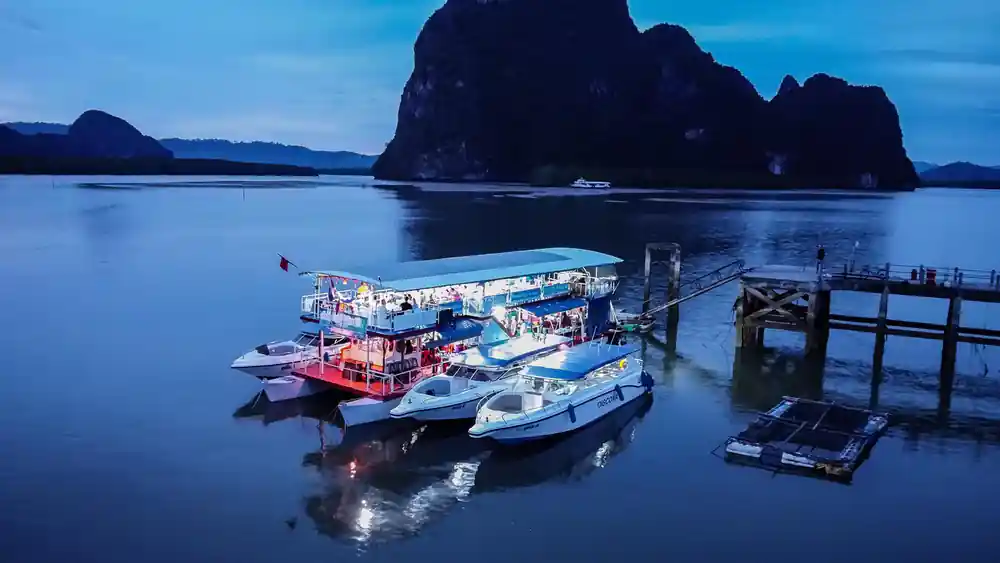
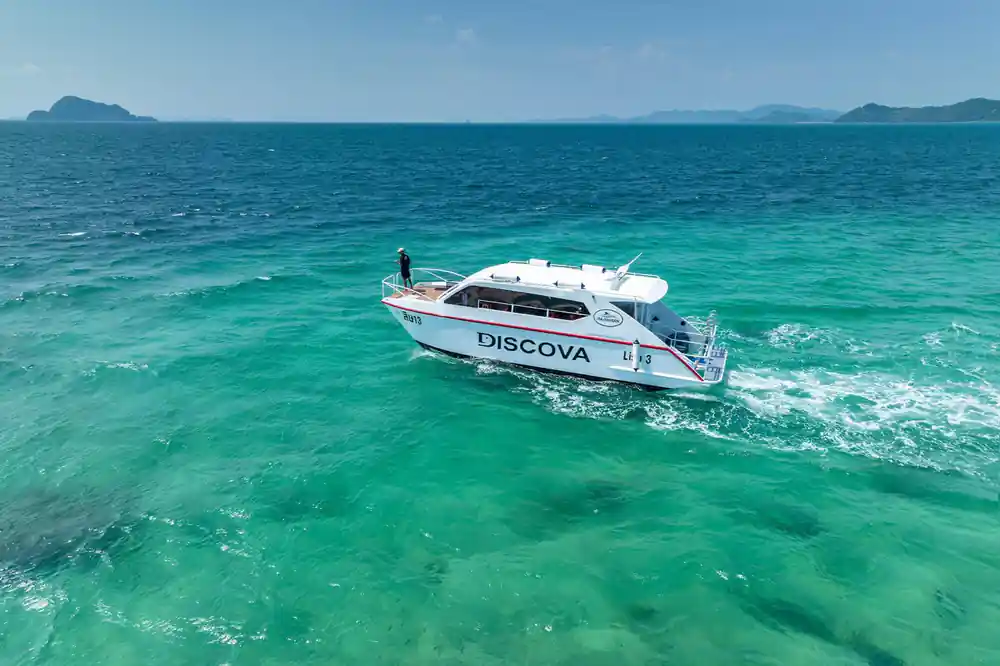
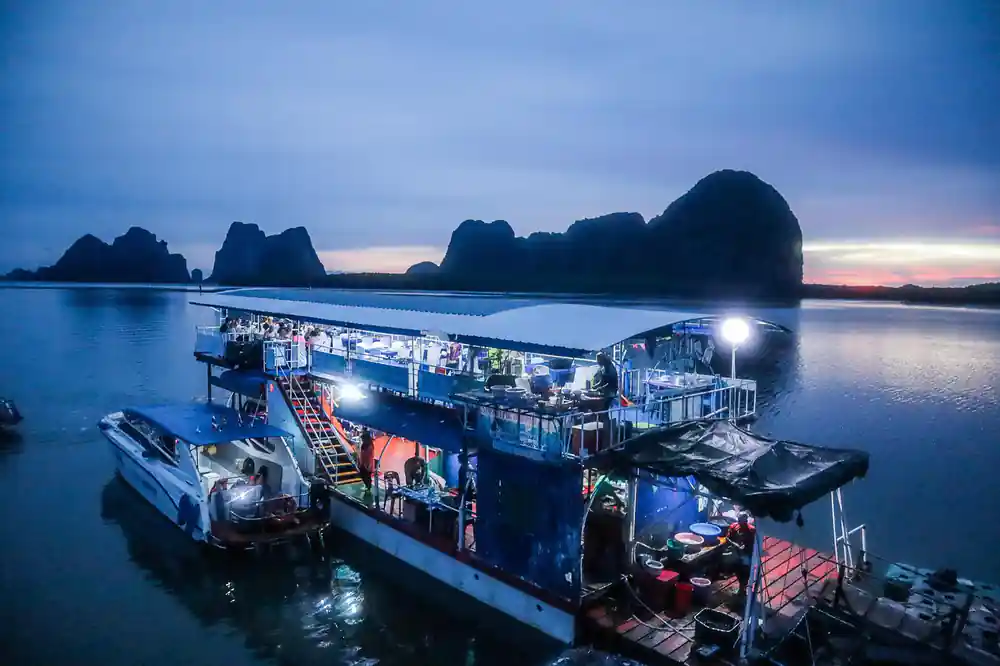
Your full-day tour combines van transportation from your Phuket hotel with speedboat and sea canoe exploration, allowing you to experience the bay's scale and intimate details. The itinerary progresses logically from Phuket Boat Lagoon as your departure point through Panak Island's cave system to the open waters where James Bond Island and Ko Hong become visible across the bay. Your guide, available in German, English, or Spanish, provides context on geology, ecology, and local history throughout the journey. Light snacks are provided before boarding, while a Thai-style set dinner is included in the afternoon, allowing you to rest and reflect on the morning's discoveries.
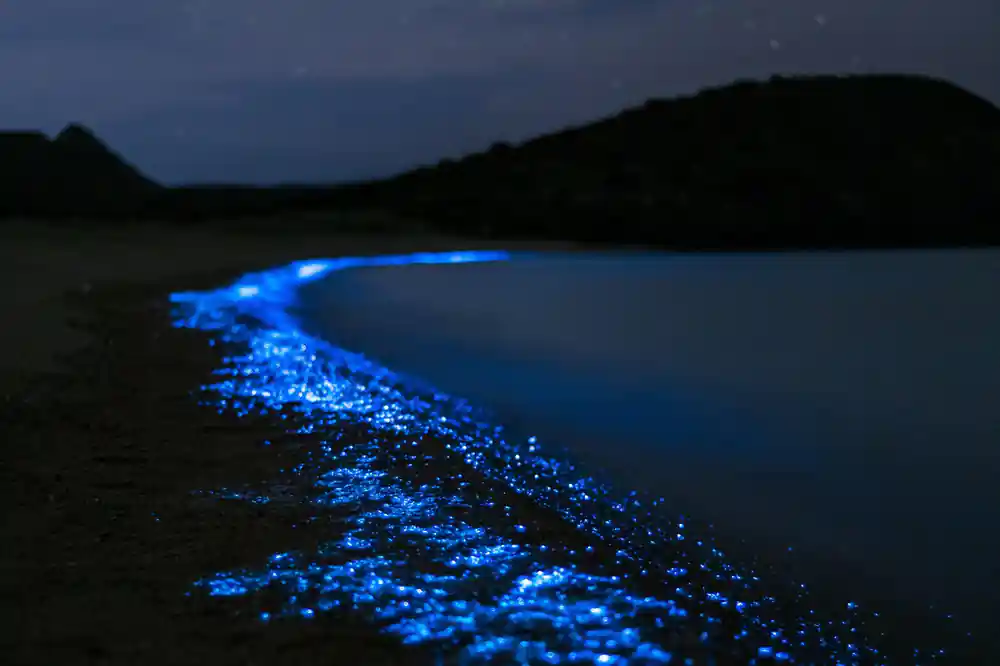
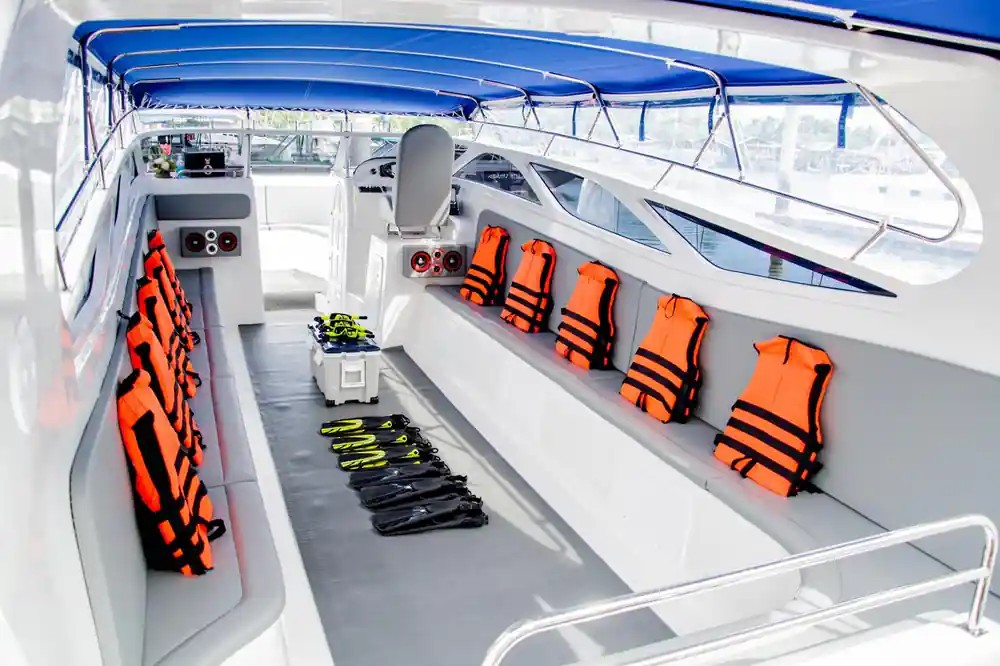
Bring sun protection, comfortable water shoes, and a light waterproof jacket for the speedboat portions and potential sea spray. Your safety equipment is provided and required for all water activities. Soft drinks and mineral water keep you hydrated throughout the heat of the day, while the timing allows you to experience both daytime geology and the evening bioluminescent plankton phenomenon when dinoflagellates create their magical blue-green glow in response to movement. Hotel pickup and drop-off are included if you select this option, eliminating transportation logistics and ensuring you return rested to your accommodation after a full day of exploration.
Time Your Paddle to the Hidden Lagoons
from US$89Reserve now & pay later